“Our heads are screwed on forward for a reason.
We are not meant to look backwards continually.”
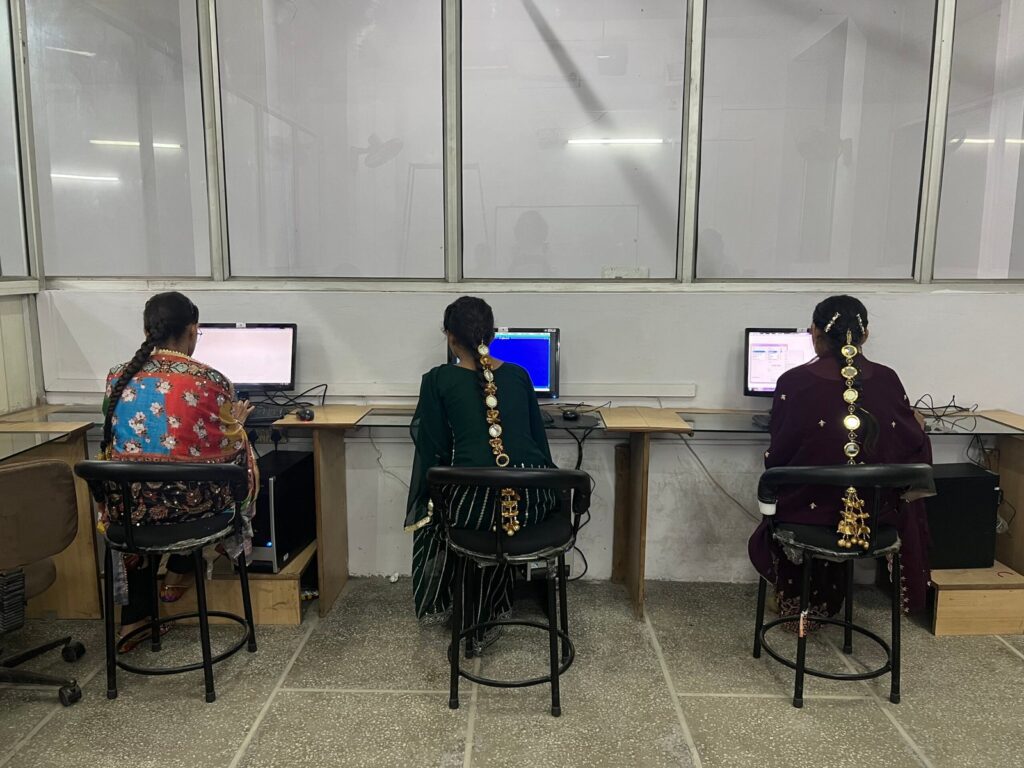
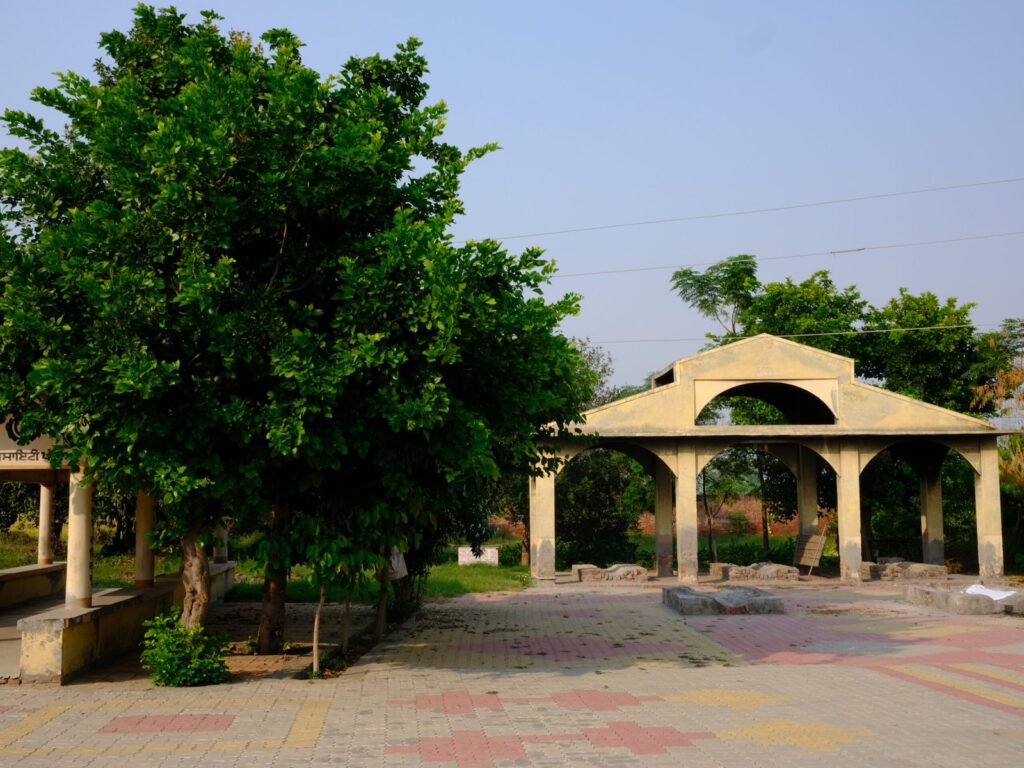
Extensive and Complete Utilisation of MPLAD Funds and Girls’ Education in Remote Border Areas
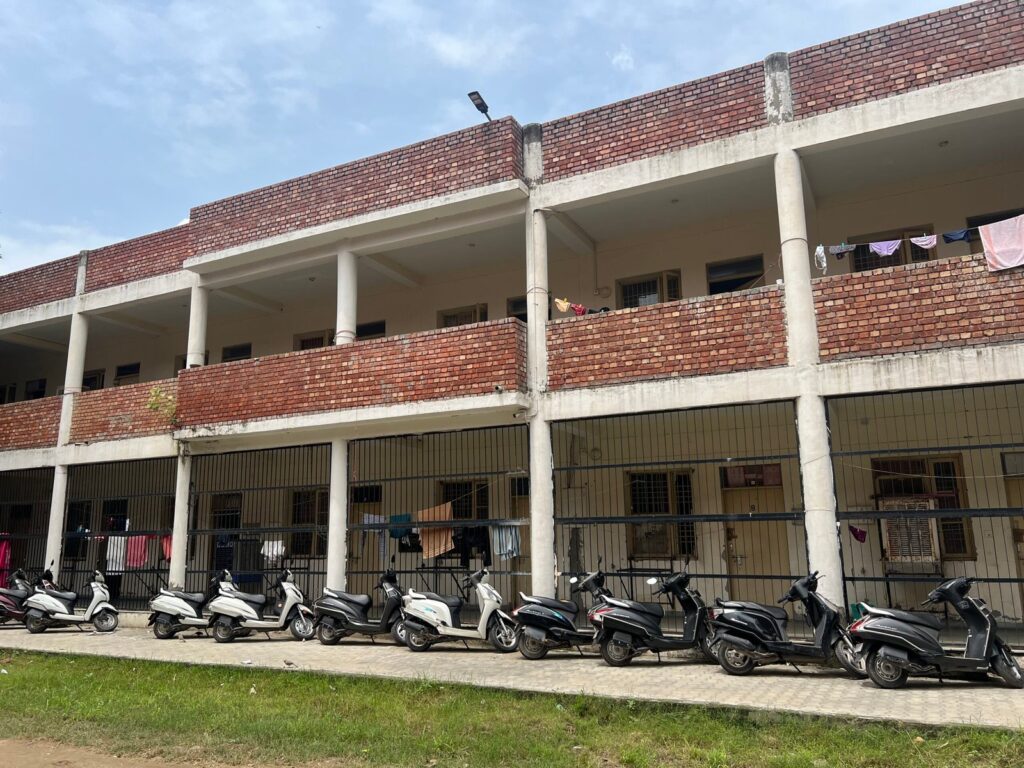
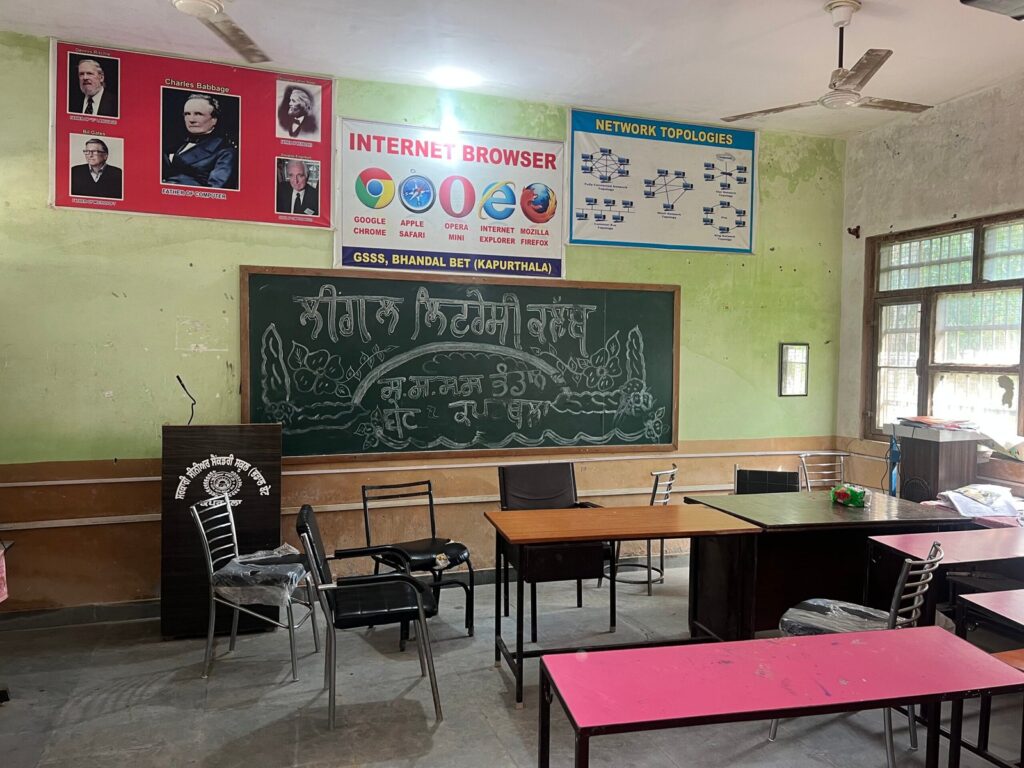
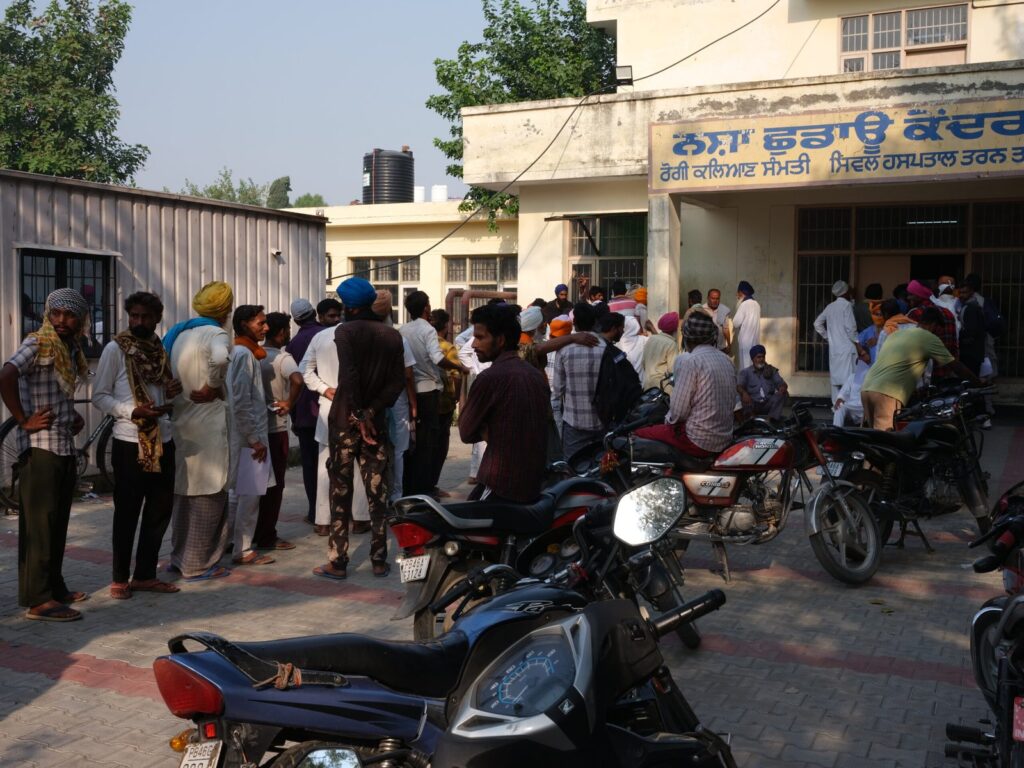
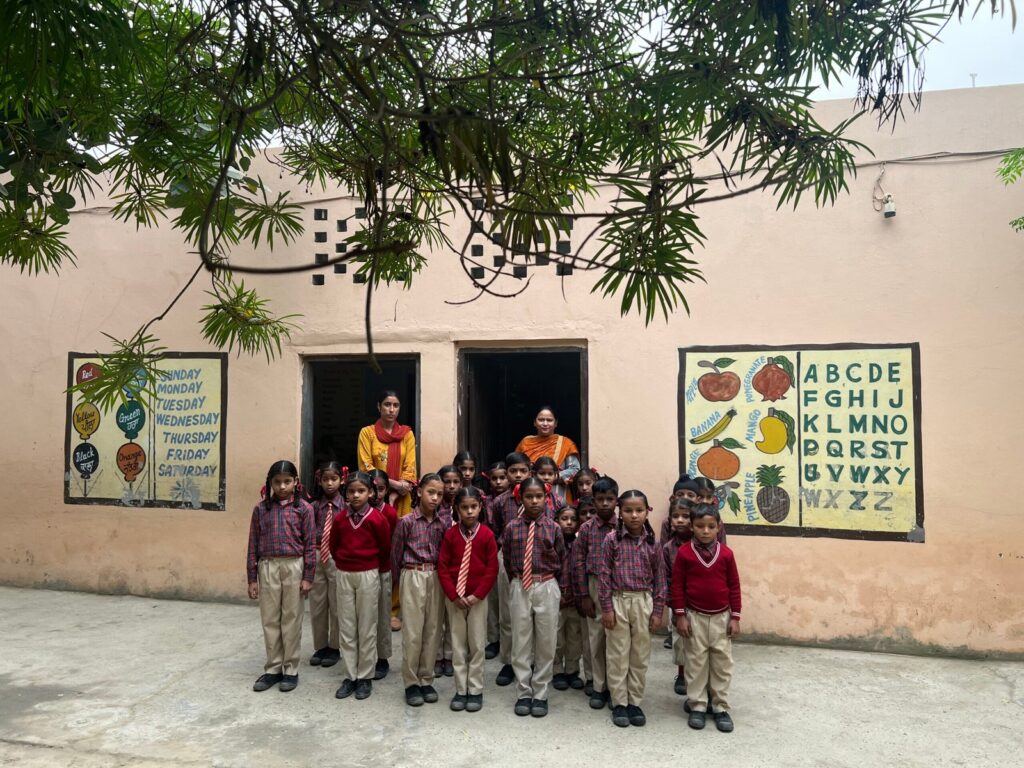
As a Member of Parliament since 2004, Dr. M.S. Gill strategically deployed ₹3895.22 Lakh of his MPLADS funds (up to 2016) towards comprehensive social and infrastructural development across rural Punjab — from the building of roads and drains to the creation of lasting community institutions. His priority was consistent and clear: “It is good that religious places should be built, but the real concern today is of building educational institutions with modern technical education.”
- Girls’ Education: ₹587.22 lakh (approx. 15% of the total) were dedicated to empowering female students, particularly in border areas. Investments funded classrooms, hostels, and sanitation facilities. His ₹60 lakh donation for the Dr. Amrita Pritam Girls Hostel at PAU underscored his belief: “When you educate a girl, you educate an entire generation.”
- General Education: Prioritizing future generations, funds built classrooms, labs, computer/vocational centers, and sewing/community centers. Major support included ₹2.2 crore for Sri Guru Arjan Dev Govt. College, Tarn Taran, and grants for Guru Nanak Dev University, Amritsar.
- Dignity and Inclusion: Funds built SC Dharamshalas/Chaupals to provide essential, dignified spaces for Scheduled Caste communities and offered crucial aid to the Leprosy Colony in Tarn Taran.
- Social/Environmental Responsibility: He invested in cremation grounds and passionately advocated for LPG Crematoria—a pilot project in Punjab—noting that “An LPG cremation costs about a tenth of wood cremation,” saving poor families money while reducing pollution.
- Public Health: Treating substance abuse as a medical issue, he made strategic investments via MPLADS for establishing and upgrading Drug De-Addiction Centers in key locations like Tarn Taran, Kairon, and Moga.
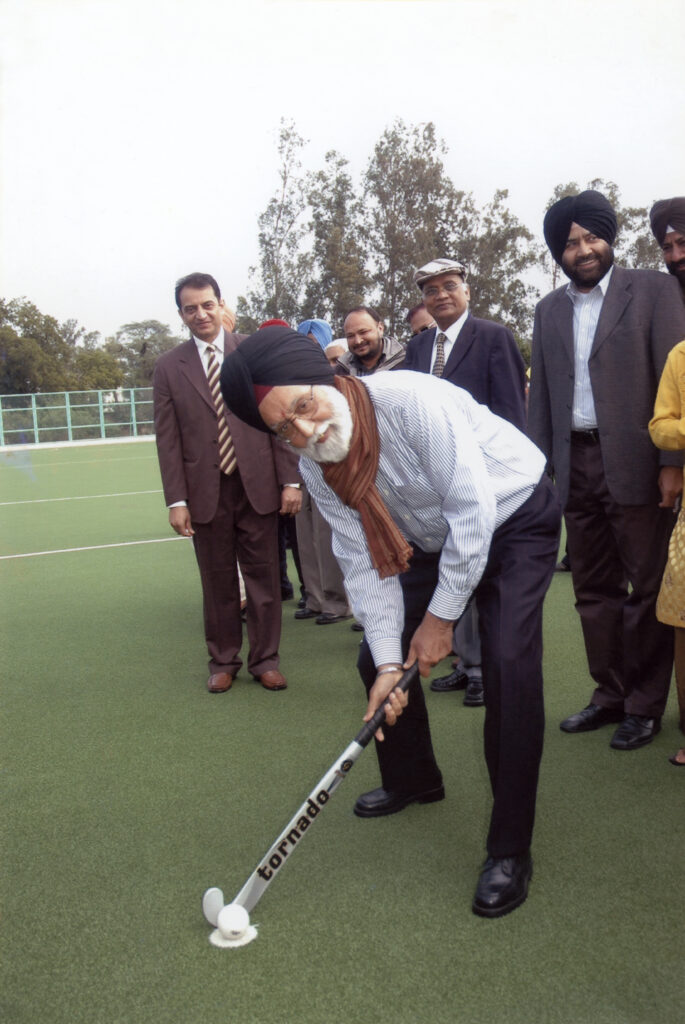
Sports and Youth Reform
Dr. M. S. Gill served as the Union Minister for Youth Affairs and Sports from April 6, 2008, to April 30, 2010, a period defined by the intensive preparations for the XIX Commonwealth Games and a systemic overhaul of national sports and youth policies. His administration prioritized the “broad-basing” of sports by expanding access from elite urban circles to the rural grassroots, while simultaneously modernizing the regulatory framework governing sports bodies. Central to this approach was the revitalization of federal cooperation; Dr. Gill re-established formal consultations with State Governments, beginning with a landmark National Conference on July 9, 2008. These sessions were instrumental in aligning state machinery with central objectives, ensuring that centrally funded schemes were implemented with greater accountability and local support across all states.
Beyond infrastructure, the tenure was marked by a shift toward institutional transparency and athlete-centric governance. Under Dr. Gill’s leadership, the Ministry moved to bring the Indian Olympic Association (IOA) under the purview of the Right to Information (RTI) Act and restored tenure limits for National Sports Federation (NSF) officials to prevent leadership stagnation. The administration also oversaw significant fiscal expansions, nearly doubling the budget for the Sports Authority of India (SAI) and launching the first-ever comprehensive scheme for the preparation of Indian teams for international competition. By consolidating youth programs into the National Youth Corps and expanding the reach of the Nehru Yuva Kendra Sangathan, the Ministry sought to integrate youth empowerment with national development, creating a structured legacy that extended beyond the podium finishes of the 2010 Games.
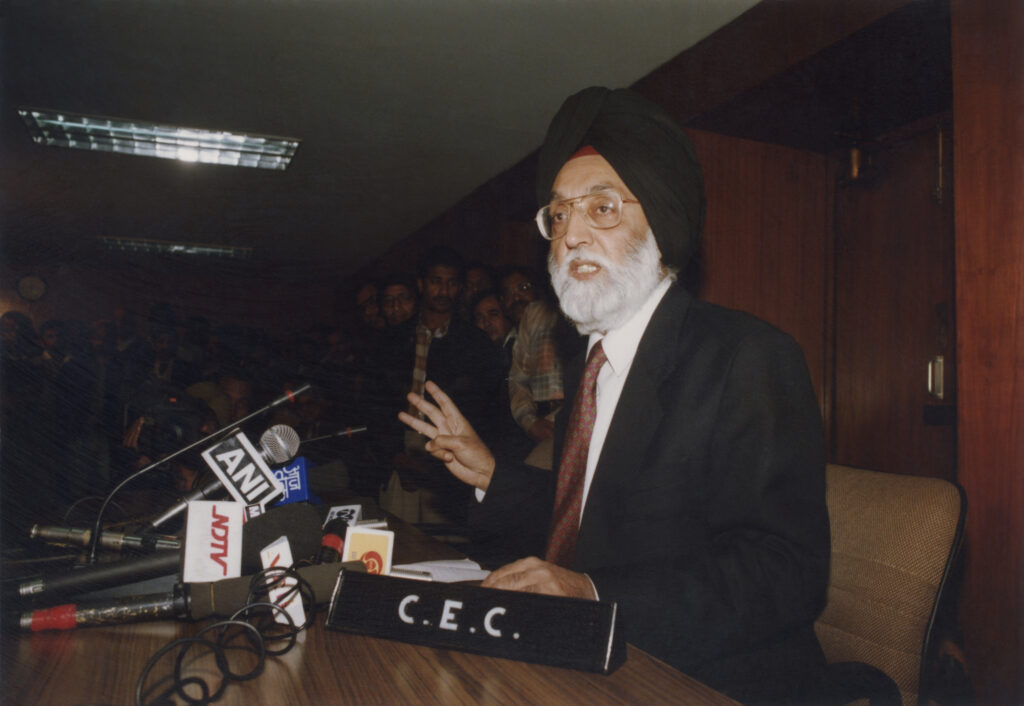
Electronic Voting Machines & Other Electoral Reforms
During his tenure as a member and later Chief of the Election Commission between 1993 and 2000, Dr. M. S. Gill spearheaded a series of crucial reforms. Special highlights of this period include the establishment of widespread usage of Electronic Voting Machines (EVMs), the digitization of the Electoral Roll and mandatory use of Electors Photo Identity Cards (EPICs), the launch of the Election Commission Website, the introduction of the Time Voucher Scheme for indirect state funding, raising stagnant election expense ceilings and implementing better systems to check expense records, advocating for proxy voting for defense and service staff abroad, and putting checks in place to decriminalize elections.
READ MORE ABOUT ELECTORAL REFORMS HERE →
- Electronic Voting Machines (EVMs)
- Computerisation of the Electoral Roll and Compulsory EPIC
- Introduction of the Election Commission website
- Raised the Election Expenditure for Politica Parties
- Time Voucher Scheme
- Focus on Decriminalisation of Politics
- Proxy Voting for Defense Personnel and Service Staff Abroad
Development and Agricultural Policy
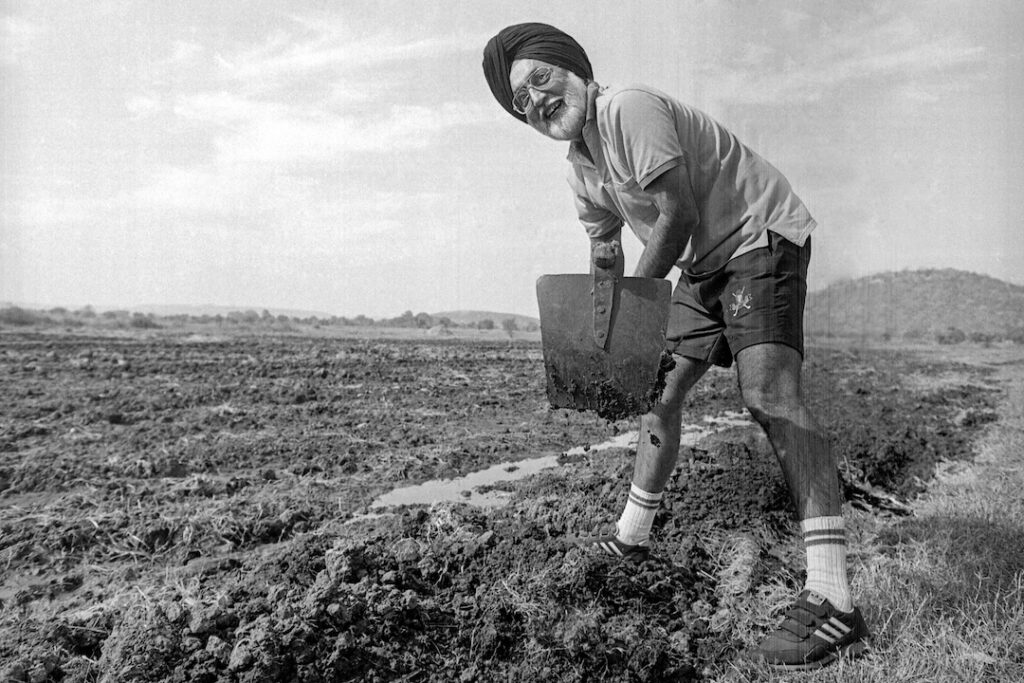
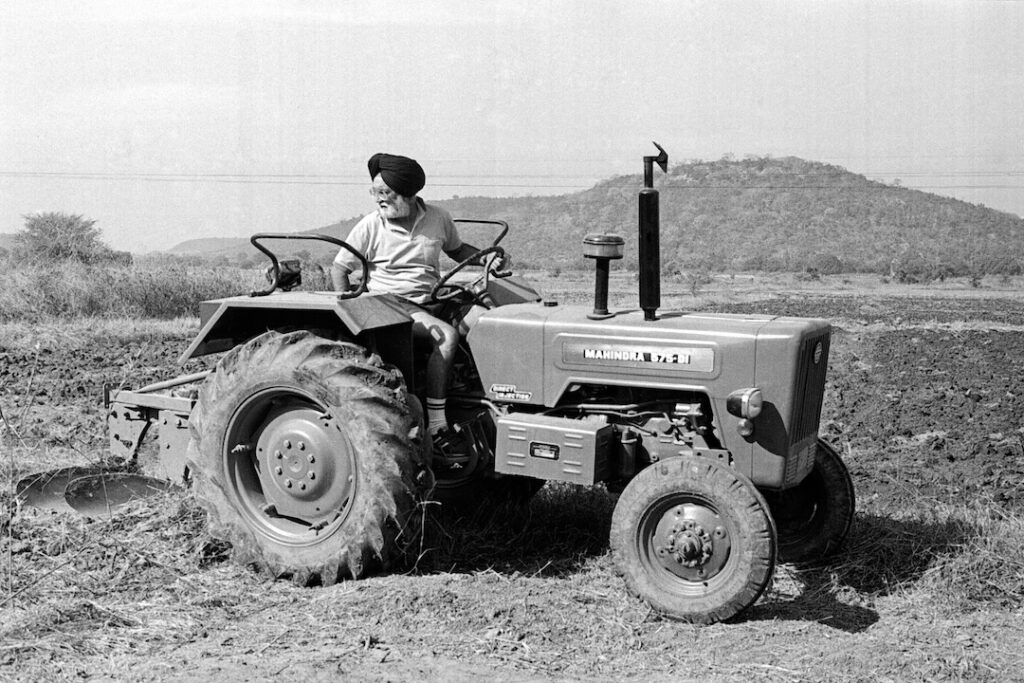
Dr. Gill qualified in the Indian Civil Services Examination with distinction. He worked extensively on rural development, agriculture improvement and literacy improvement. He is credited with being a major force in strengthening the financial foundation of the cooperative credit banking system. Critically, he first conceptualized and introduced the still prevalent, if modified, Apni Mandis for farmers.
In recognition of his work in these areas, he was selected to represent the Indian Administrative Service nationally and sent to Queens’ College, Cambridge, for a one-year Development Studies Programme. He became the Managing Director of the National Cooperative Development Corporation, wherein he oversaw the Cooperative Movement in all the states of the Indian Union. He was invited by the World Bank to head one of their largest projects (SADP or Sokoto Agricultural Development Programme, 500 million dollars over five years) in Nigeria. He went on to serve as the Development Commissioner of Punjab, and later, as Agriculture Secretary in the Government of India from 1985-1987.
Initiating and Improving Institutions
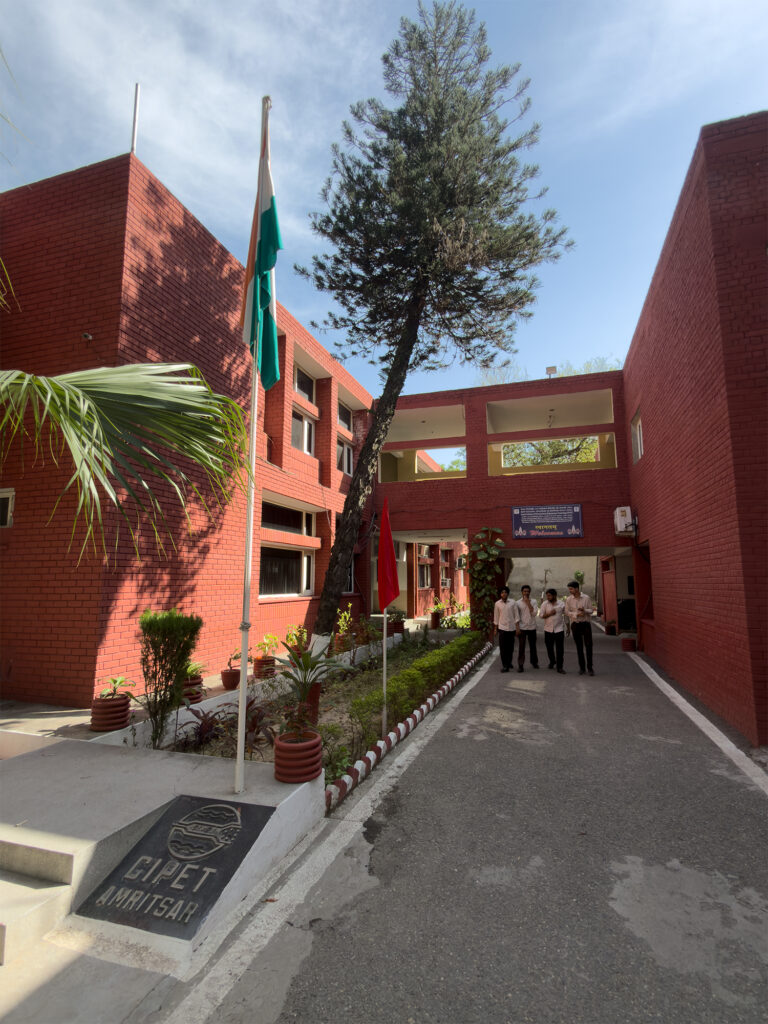
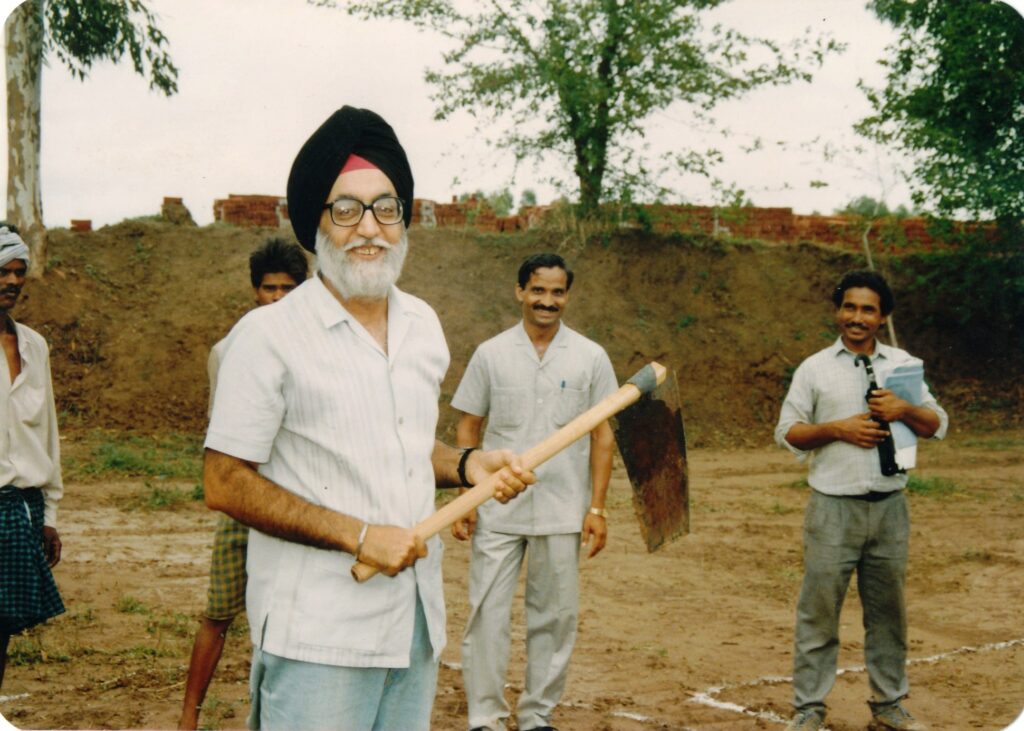
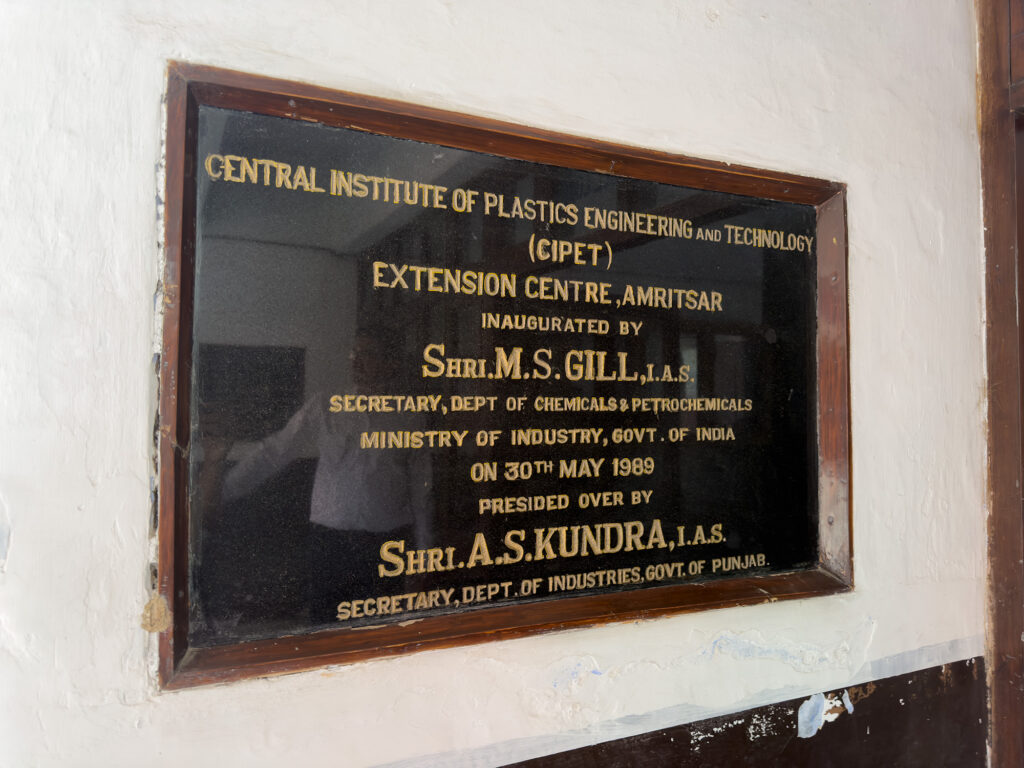
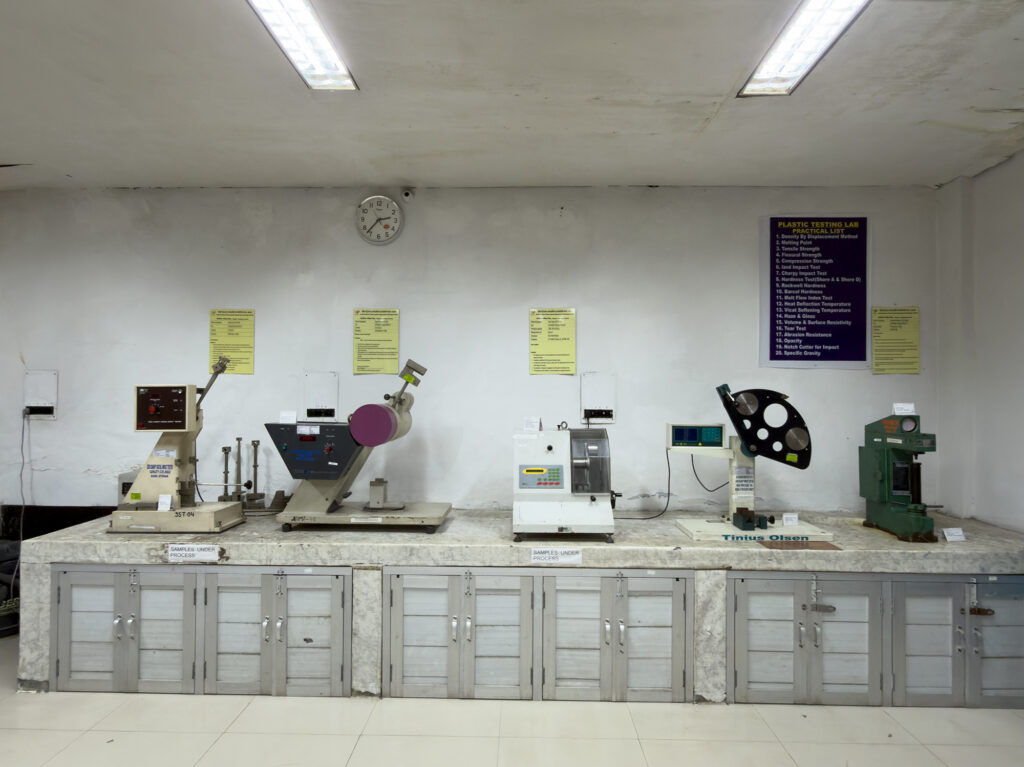
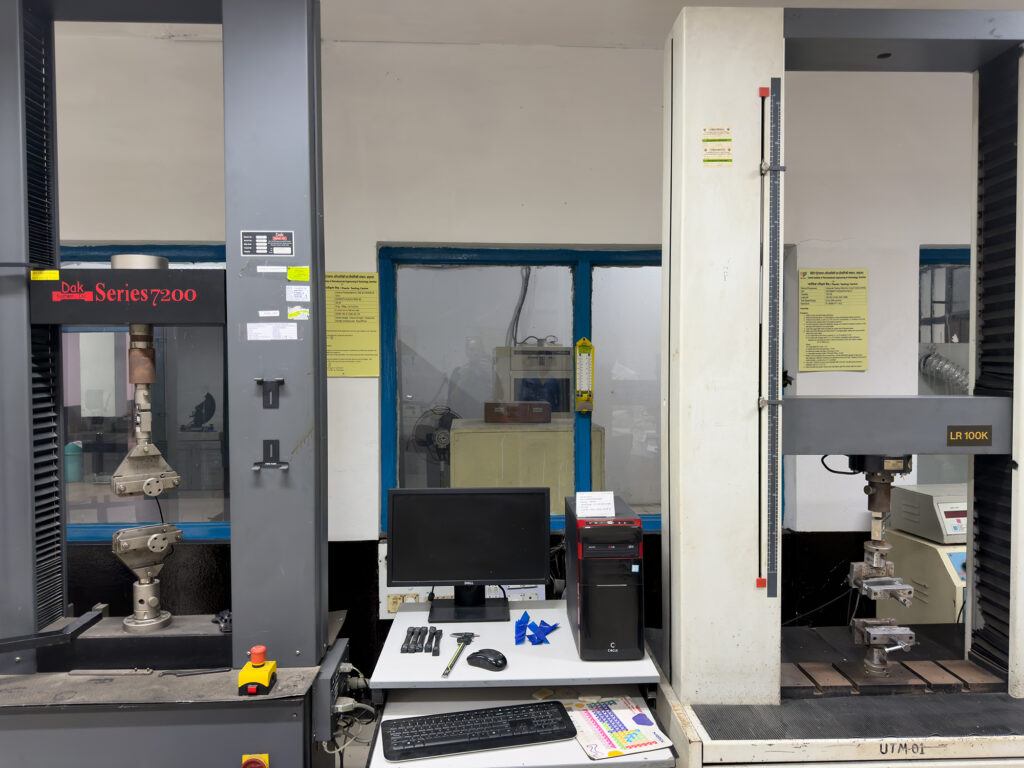
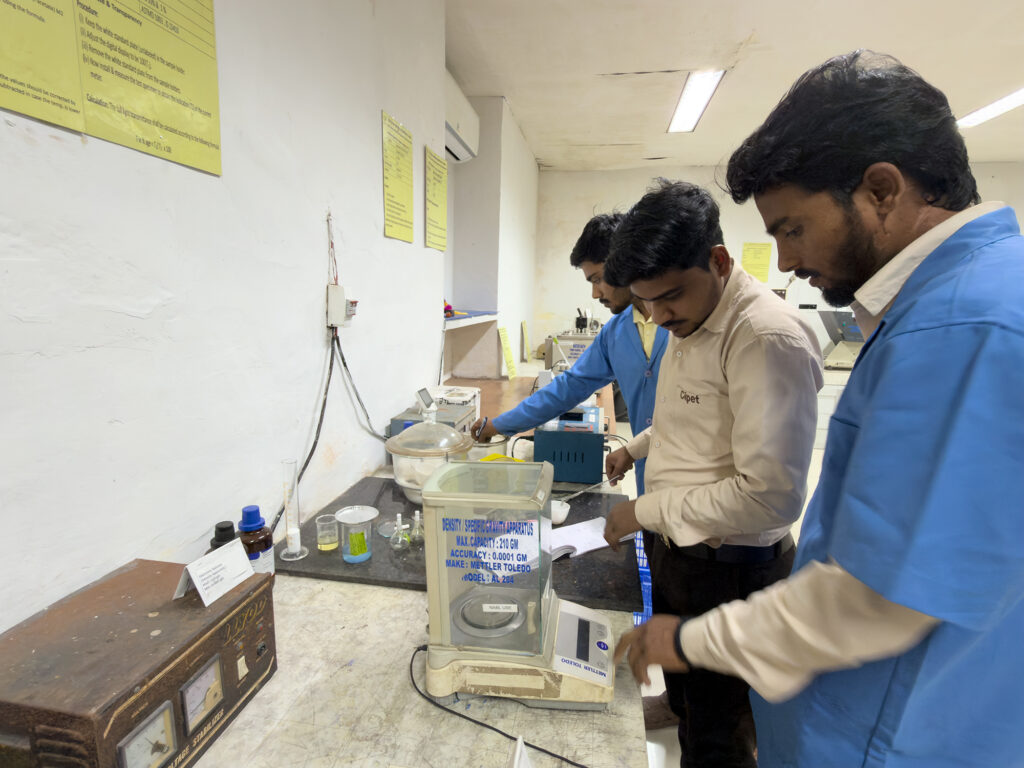
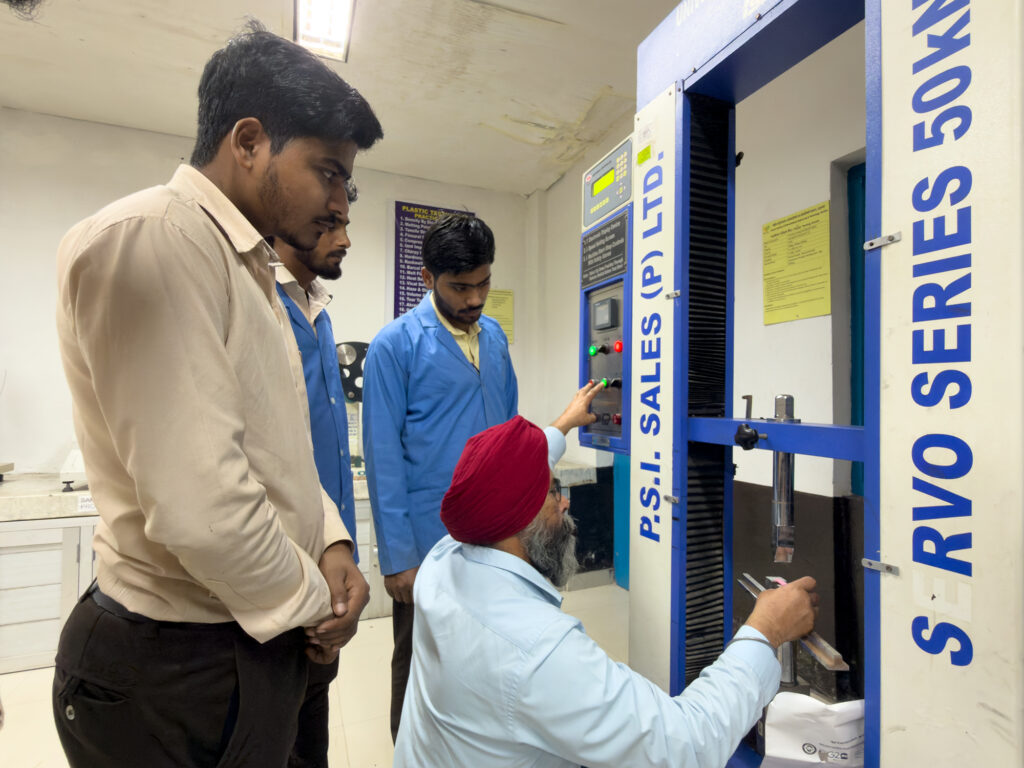
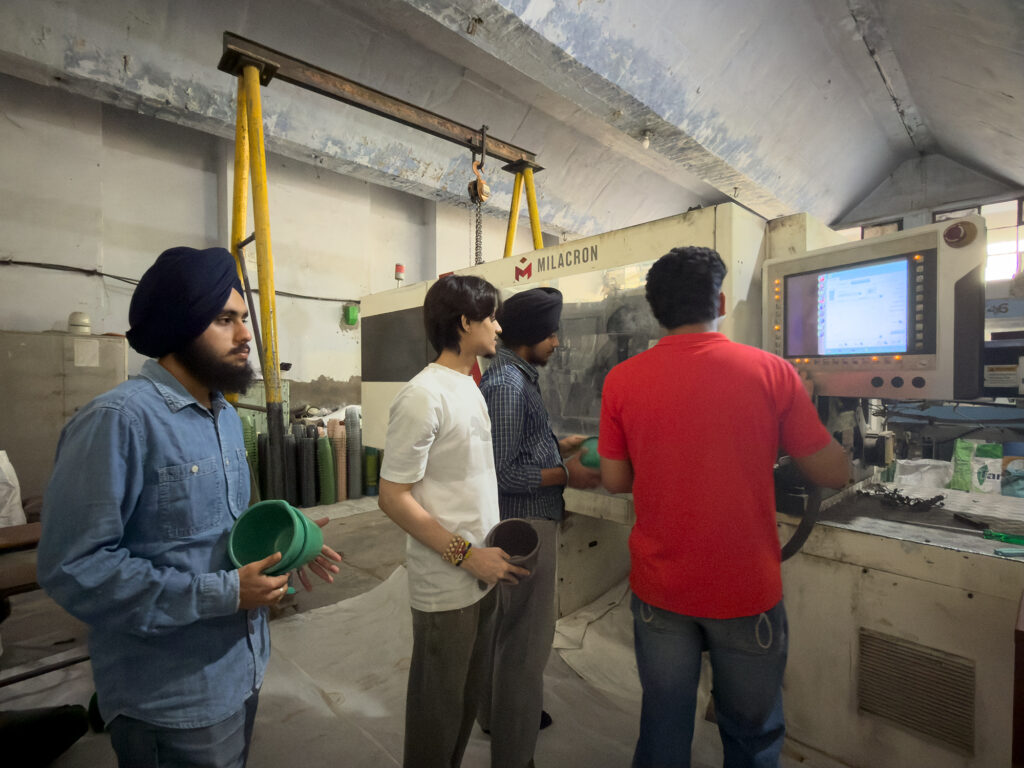
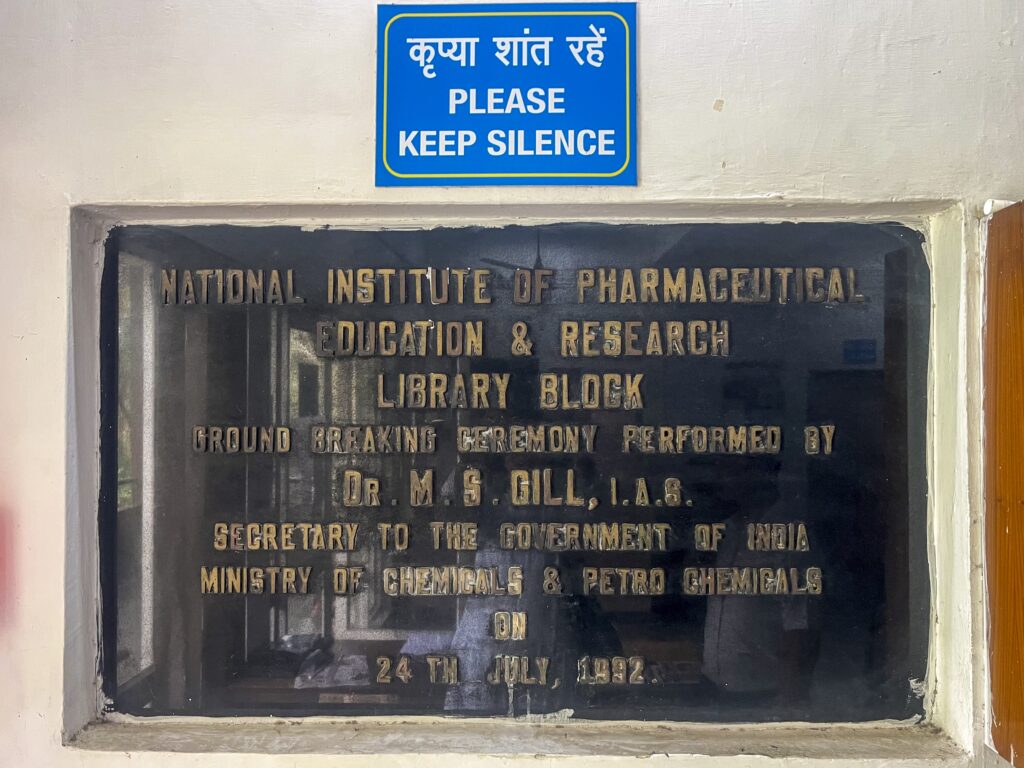
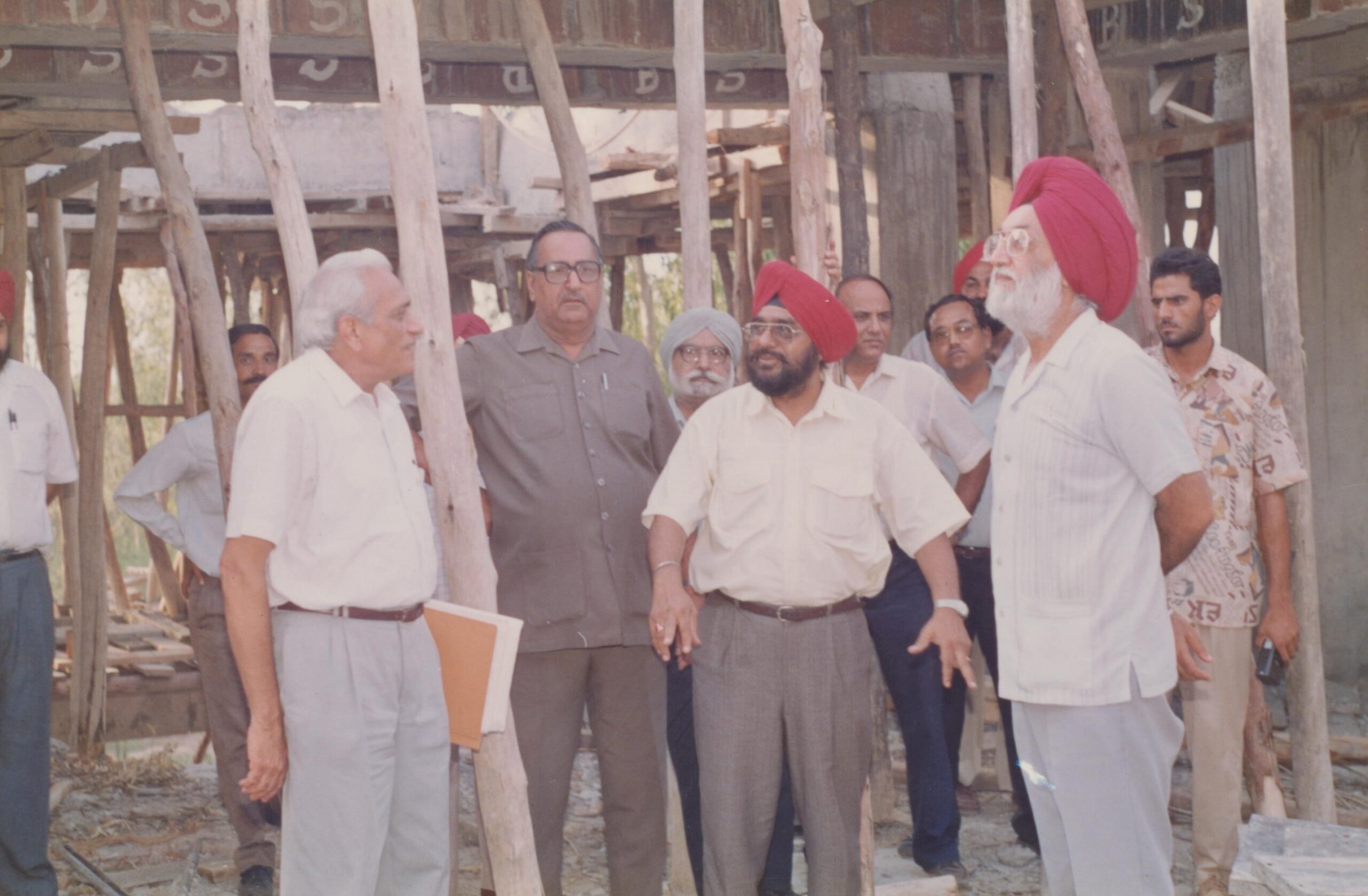
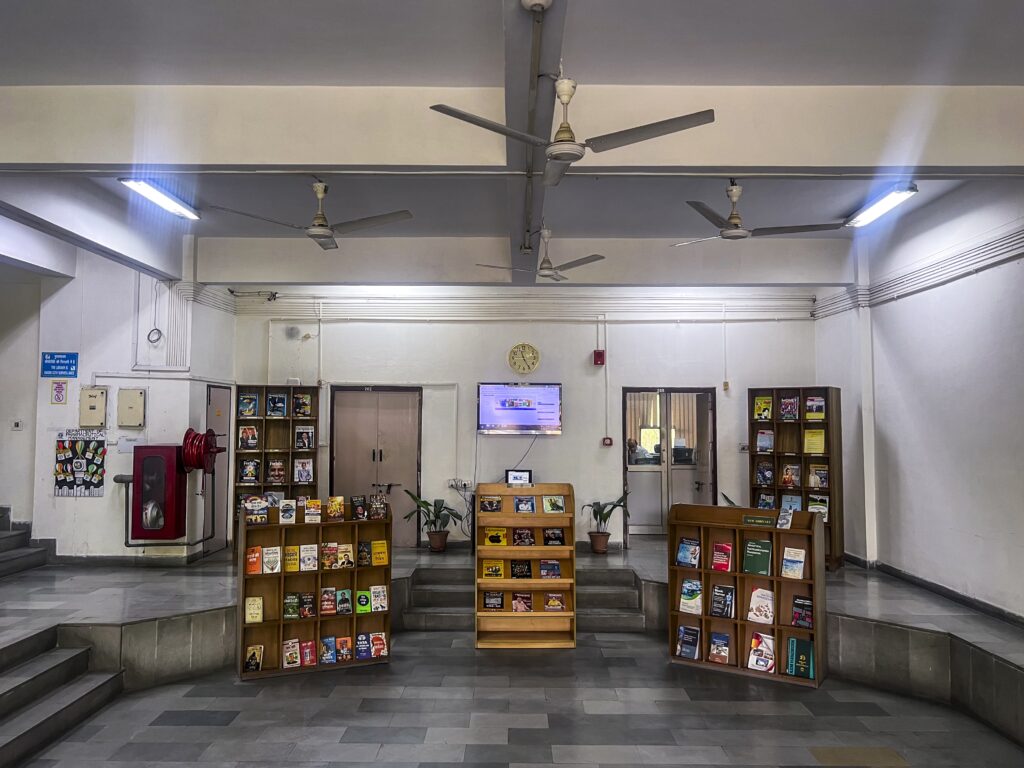
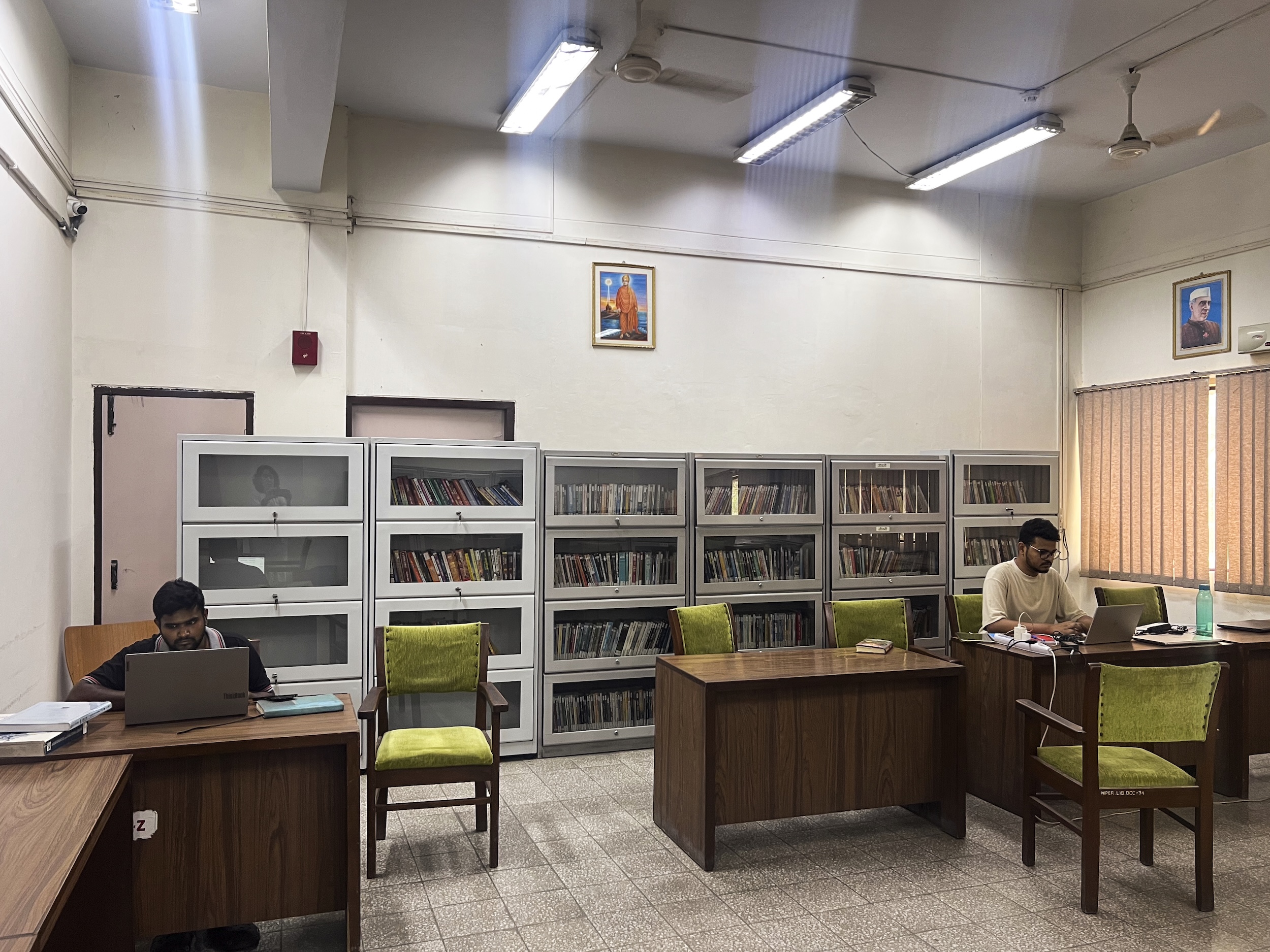
Dr. Manohar Singh Gill’s administrative legacy is defined by the creation and transformation of institutional pillars that stabilized Punjab’s economy and technical landscape. During his tenure as Secretary to the Government of India in the Ministry of Chemicals and Fertilizers (Department of Chemicals and Petrochemicals), he was the primary force behind the establishment of the National Institute of Pharmaceutical Education and Research (NIPER). Dr. Gill personally pursued the project across multiple governmental levels to secure final sanctions; it is widely noted that the institute’s establishment would not have been possible without his direct personal interest. On 7 February 1991, he led a high-powered committee from Delhi to Chandigarh, followed by a decisive meeting on 15 February 1991 in his chamber at Shastri Bhawan, where the Memorandum of Association and Rules for the NIPER Society were adopted. Dr. Gill was elected Chairman of the Board of Governors, and the Society was formally registered on 27 February 1991. In 1989, earlier during this same secretarial tenure, he was instrumental in the decision to open a center of the Central Institute of Petrochemicals Engineering & Technology (CIPET) in Amritsar, providing the border region with specialized technical education.
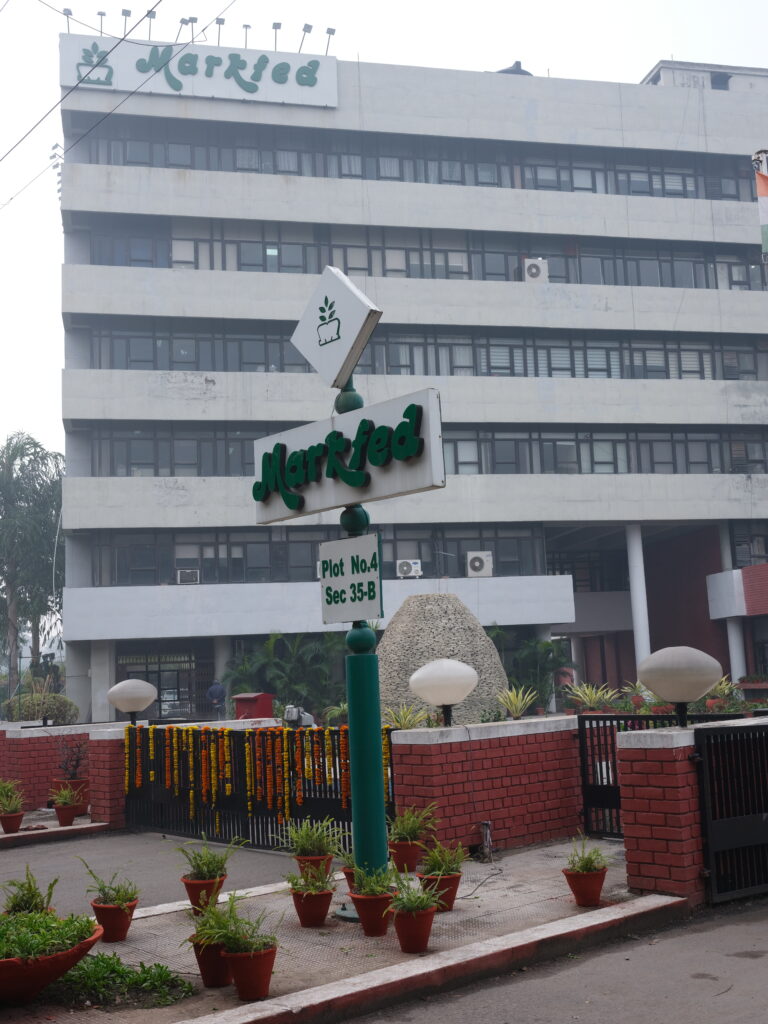
Previously during his tenure as the Managing Director of the Punjab State Cooperative Supply and Marketing Federation (MARKFED), Dr. Manohar Singh Gill oversaw the organization’s transition from a procurement agency into a diversified industrial cooperative. His administration was responsible for expanding MARKFED’s operational scope to include the processing of agricultural produce and the large-scale distribution of high-quality fertilizers and seeds. Under his leadership, the federation established several industrial units and these structural changes provided the institutional framework necessary to manage the agricultural surpluses generated during the Green Revolution, establishing MARKFED as a central marketing link for farmers in the region.
CIPET, Amritsar
NIPER, SAS Nagar
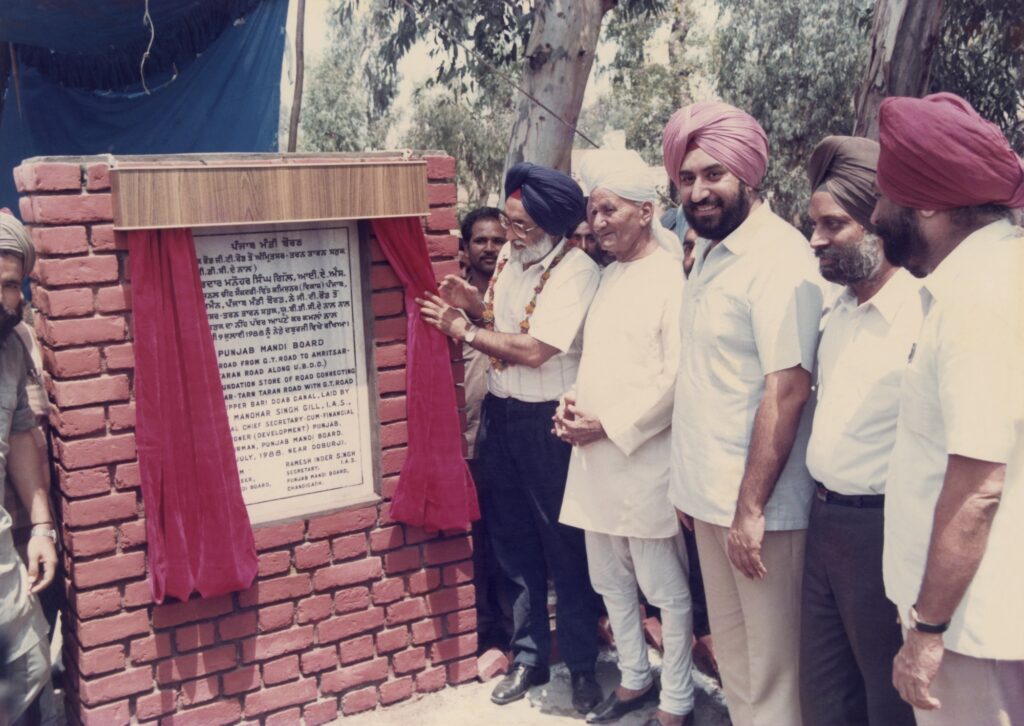
Better Infrastructure and Connectivity within Punjab
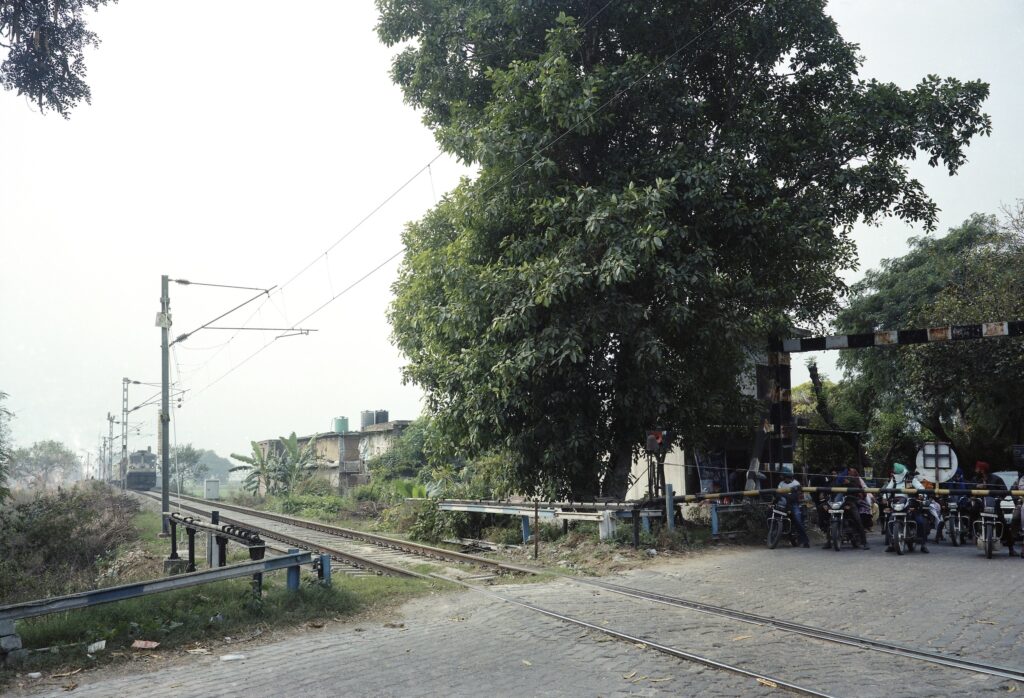
Dr. Gill consistently leveraged his various administrative and political roles to prioritize and improve the infrastructure of Punjab, a state fundamentally reliant on agriculture. Recognizing the critical need for easier transport of produce, his initial focus was on rural connectivity. In 1987, while serving as the Financial Commissioner (Development) and Chairman of the State Agricultural Marketing Board, he spearheaded a major Punjab Government directive to immediately address link road conditions. He personally ordered the machine-based repair of a 4,500 km stretch at a cost of ₹25 Crore, ensuring accountability by mandating supervision by Village Panchayats and social workers. This focus continued into 1988 when, as the Additional Chief Secretary, Punjab, he oversaw the further expansion of rural roads by the Mandi Boards using pre-mix technology. Additionally, his tenure brought a strong focus on road construction in the border areas of Gurdaspur and Amritsar to support ongoing development projects. Later, as a Member of Parliament, he successfully advocated for enhanced rail connectivity within Punjab to facilitate the movement of both goods and people.
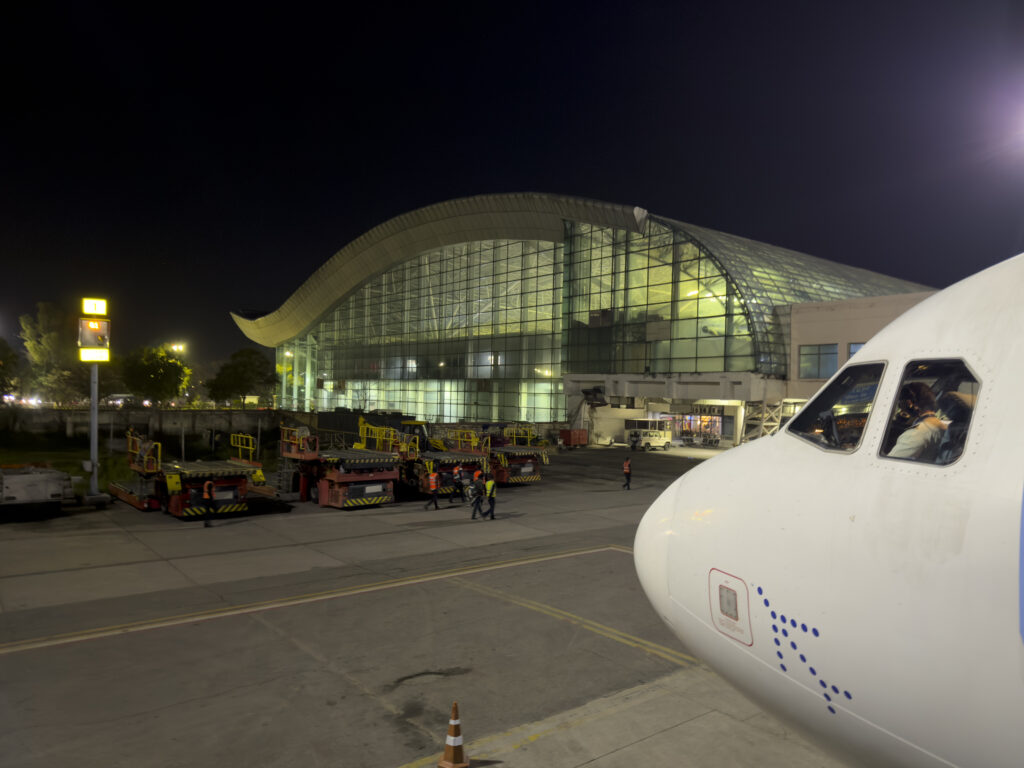
Lobbied for Better Connectivity of Punjab with the World and the Rights of Sikhs
Expanding his scope as a Member of the Rajya Sabha, Dr. Gill championed the establishment of an international airport in Amritsar and pushed for increased flight connections to diaspora hubs like London and Toronto. Furthermore, he worked on improving connectivity for Sikh pilgrims, advocating for increased delegations to Pakistan to visit Nankana Sahib. He pressed the government to negotiate a regular bus service between Amritsar and Lahore for devout Sikhs with valid visas and lobbied to reduce the fare costs once the service began. A similar commitment to pilgrim welfare was shown in 2008, when he fought to regularize the Delhi-Amritsar-Nanded flight, which was under threat of closure, to ensure Sikh pilgrims could visit Hazur Sahib Nanded, while also seeking to reduce its high return fare of over ₹15,000.
Rohtang Tunnel
Named after Atal Bihari Vajpayee, the former Prime Minister, the Rohtang tunnel or Manali to Leh tunnel is an amazing structure, carved out under the Rohtang Pass, making it the longest highway tunnel in the world. Located at a towering height of 13,050 ft. the Rohtang tunnel cuts through the Pir-Panjal range. The Manali to Leh tunnel reduces the distance by 46 kilometres and provides year-round access to Lahaul-Spiti which were originally inaccessible between November to April as the Rohtang Pass would be covered in snow. Moreover, the journey which used to take around five hours from Spiti Valley to Lahaul Valley and Manali can now be completed in around 15 minutes.
Dr. Gill was instrumental in the planning and execution of the Atal Rohtang Tunnel.
Mountaineering
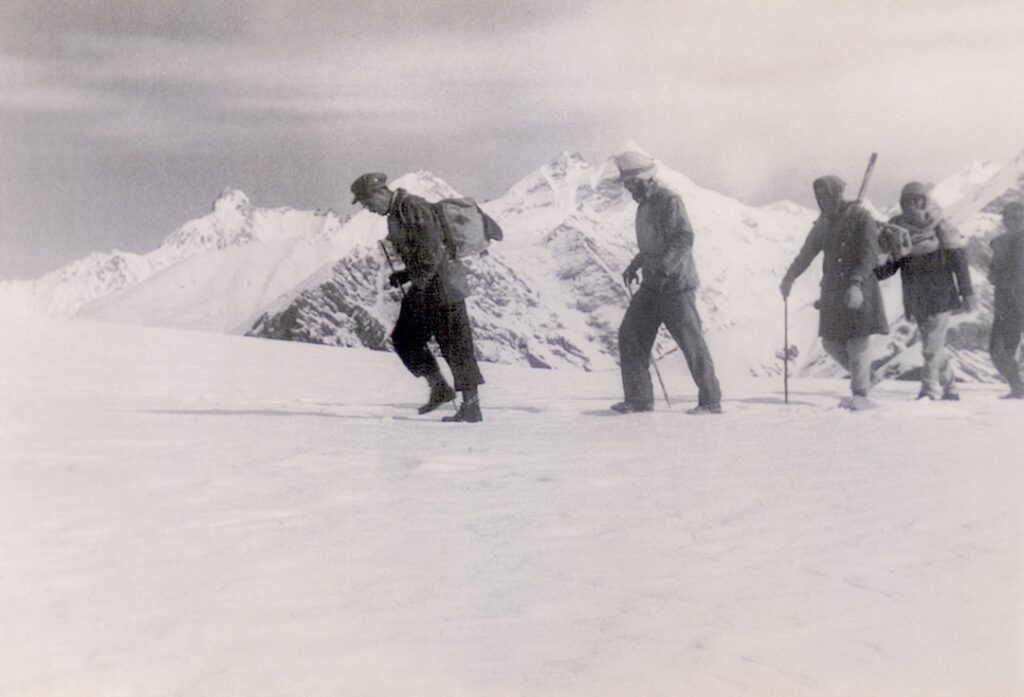
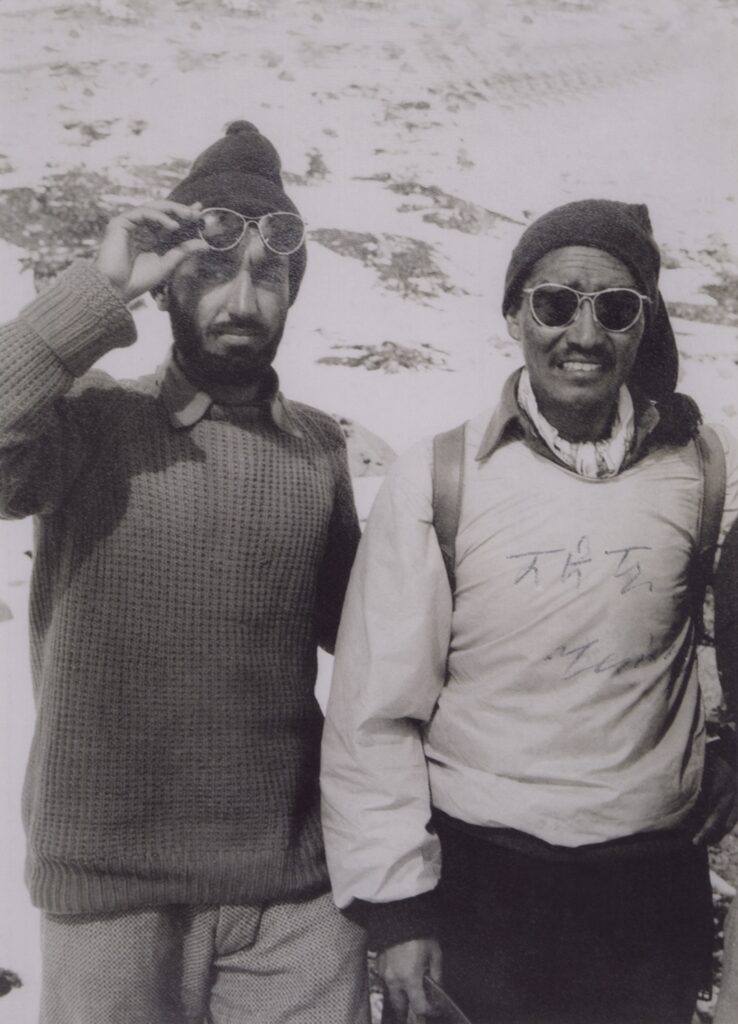
Dr. Gill trained under Everest hero Tenzing Norgay at the Himalayan Institute, Darjeeling in 1960, and climbed up to 20,000 feet in the Parbati Valley in Kulu. He was President of the Indian Mountaineering Foundation, the apex national body for mountaineering and allied activities for six years from 1992 to 1996; he was also President of the internationally acclaimed Himalayan Club, the oldest Mountaineering Club of India, and continued as its Emeritus President until 2023.
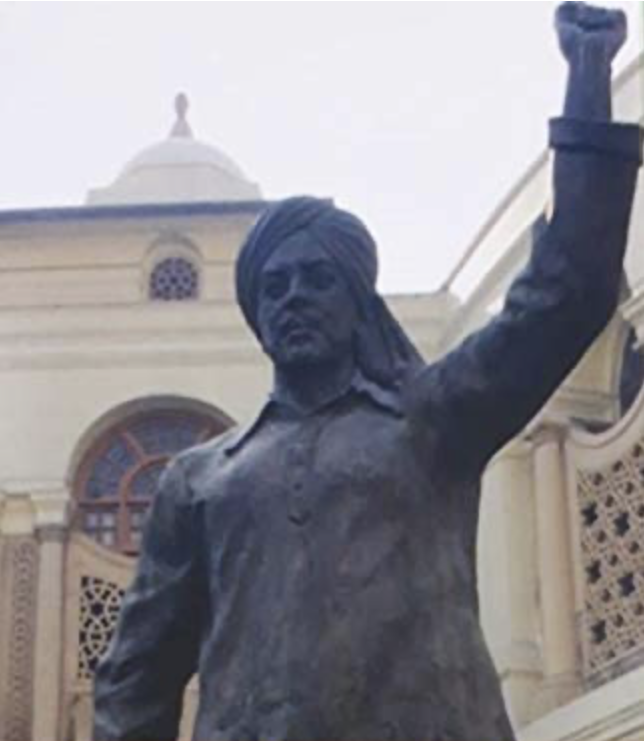
Installation of the Bhagat Singh Statue in Parliament & Memorialising Punjab’s Greats
Saddened by a lack of memorials to commemorate key freedom fighters in the struggle for independence, Dr MS Gill used his position and influence across his various key positions in the IAS to have suitable statues, built in bronze (12ft high) as is the style of the British. Many of such colonial statues could be seen of Queen Victoria and he wanted for there to be representation of Indian freedom fighters as well, especially those from Punjab.
Dr. Gill was the first to propose a statue to celebrate the 100th birthday of the freedom fighter, Bhagat Singh. A record of his correspondence with political figures to this effect can be found in the book Putting Bhagat Singh Statue in Parliament. The statue, made by Ram Sutar was finally unveiled in 2008 and stands just outside Parliament House, New Delhi in Courtyard Number 5.
Dr. Gill also fought to ensure that the statue would represent Bhagat Singh wearing a turban instead of a hat, which he only donned twice in his life as a disguise.
Other than the statue of Bhagat Singh in Parliament, Dr. Gill was also instrumental in having his statue placed in Ludhiana and Khatkar Kalan. Later statues of Rajguru and Sukhdev were also added alongside the Ludhiana statue of Bhagat Singh. Statues of many other heroes were also placed around Punjab, such as Kartar Singh Saraba, who was martyred at 19 as a leader of the Ghadar Movement; Major Bhupinder Singh, who showed immense bravery during the 1965 Indo-Pak War; Flying Officer Nirmaljit Singh Sekhon, the only IAF member awarded the Param Vir Chakra for defending Srinagar airfield alone against six enemy aircrafts in 1971; and Subedar Major Nand Singh, a legendary soldier who won the Victoria Cross in WWII and was posthumously awarded the Maha Vir Chakra for his heroism in the 1947 Indo-Pak War.
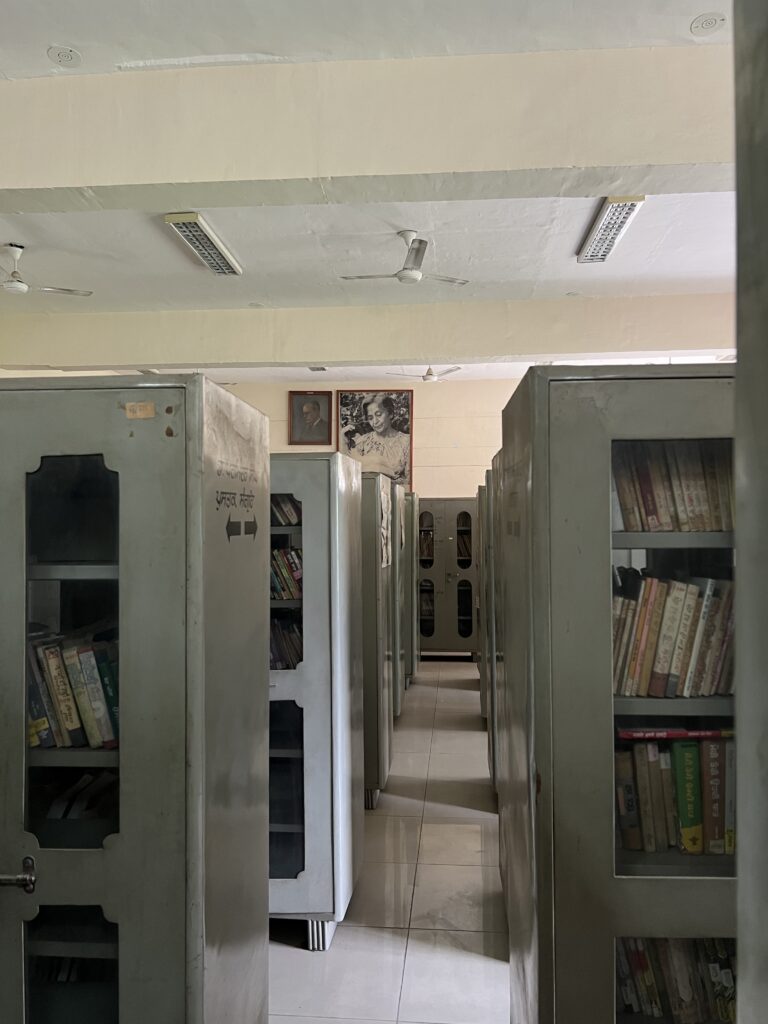
Dr. Gill also proposed that 25 lakh from the MPLads funds allocated to him be used to build a library named after Sahir Ludhianvi, one of India’s most influential Urdu poets and film lyricists, in Panjabi Bhawan Ludhiana, and these funds were sanctioned in 2015.