Family & Home: Before and After
Shivpuri & the Gill Family
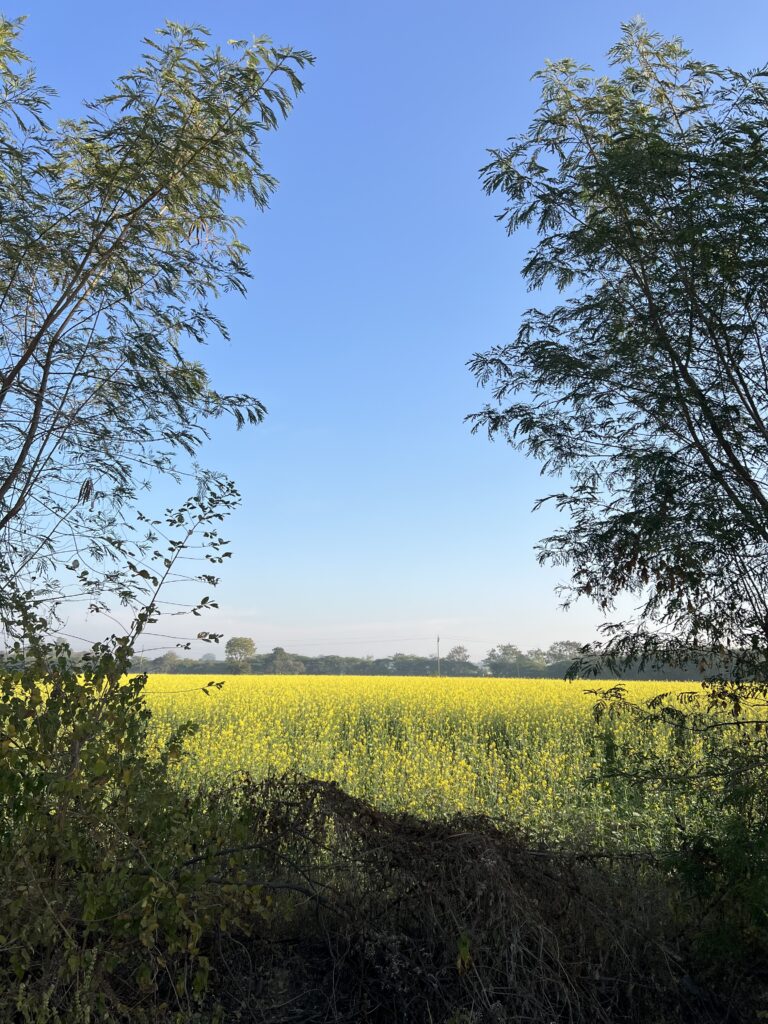
The Gill family’s connection to Shivpuri, in northwest Madhya Pradesh, began in 1948, born of the same upheaval that sent thousands of Punjabi families searching for land after Partition. It was Colonel Pratap Singh Gill, Dr. Gill’s father, who found it — through a chance encounter with the Maharaja of Gwalior during military operations, who invited him to settle along the Chambal river valley.
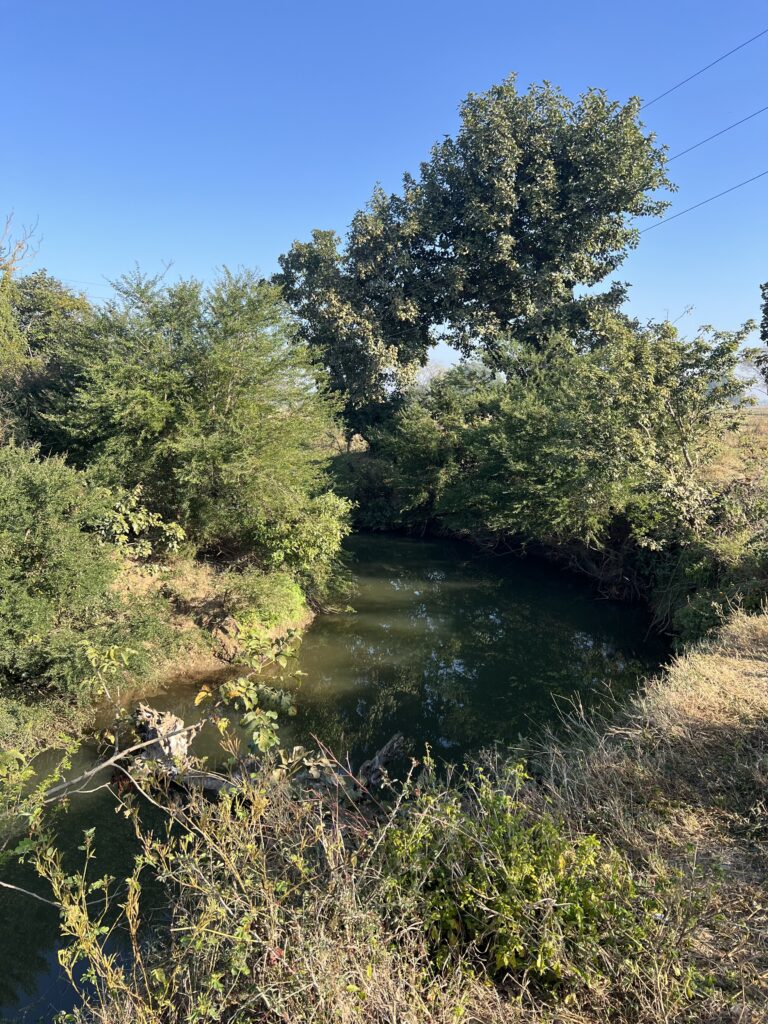
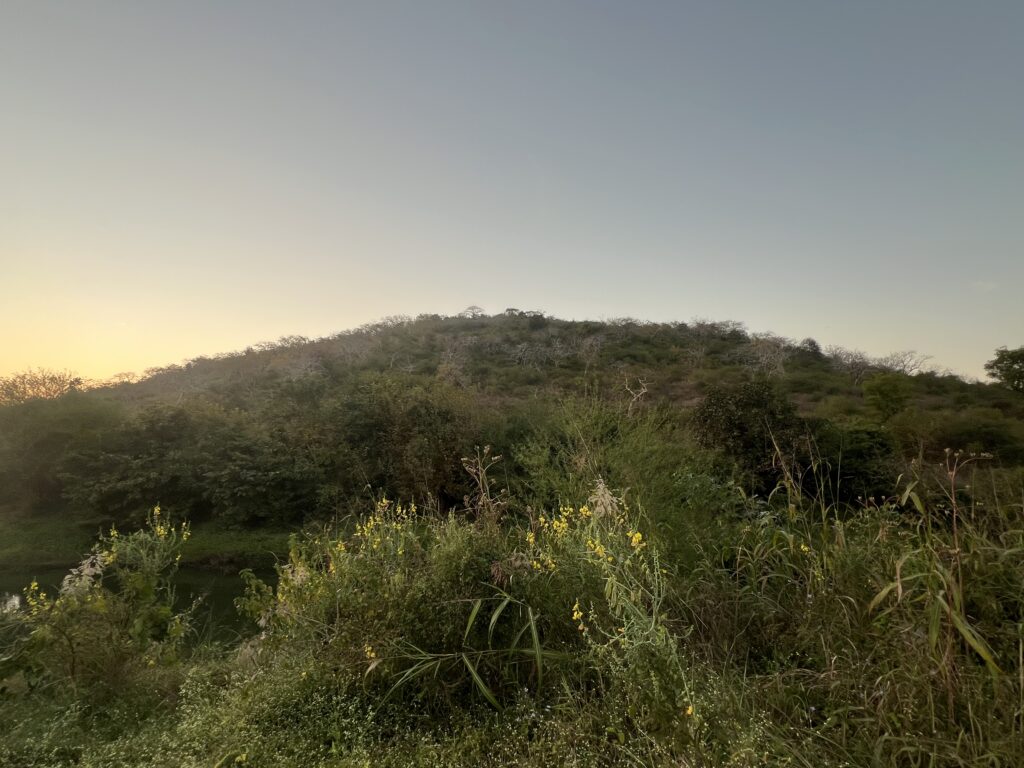
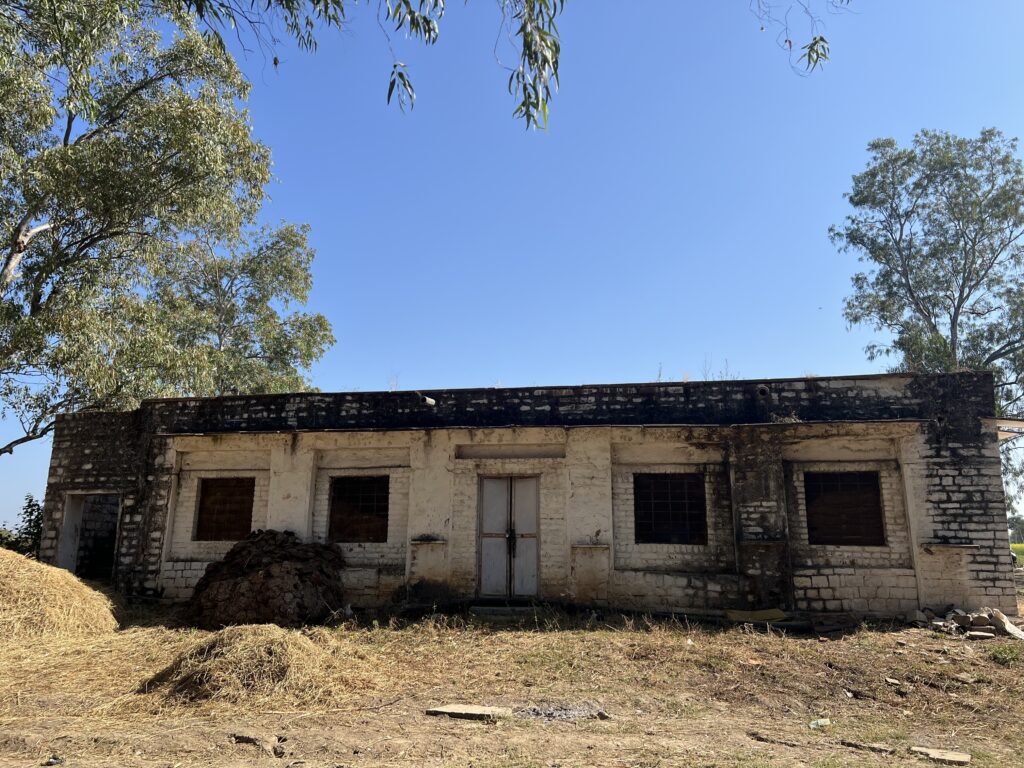
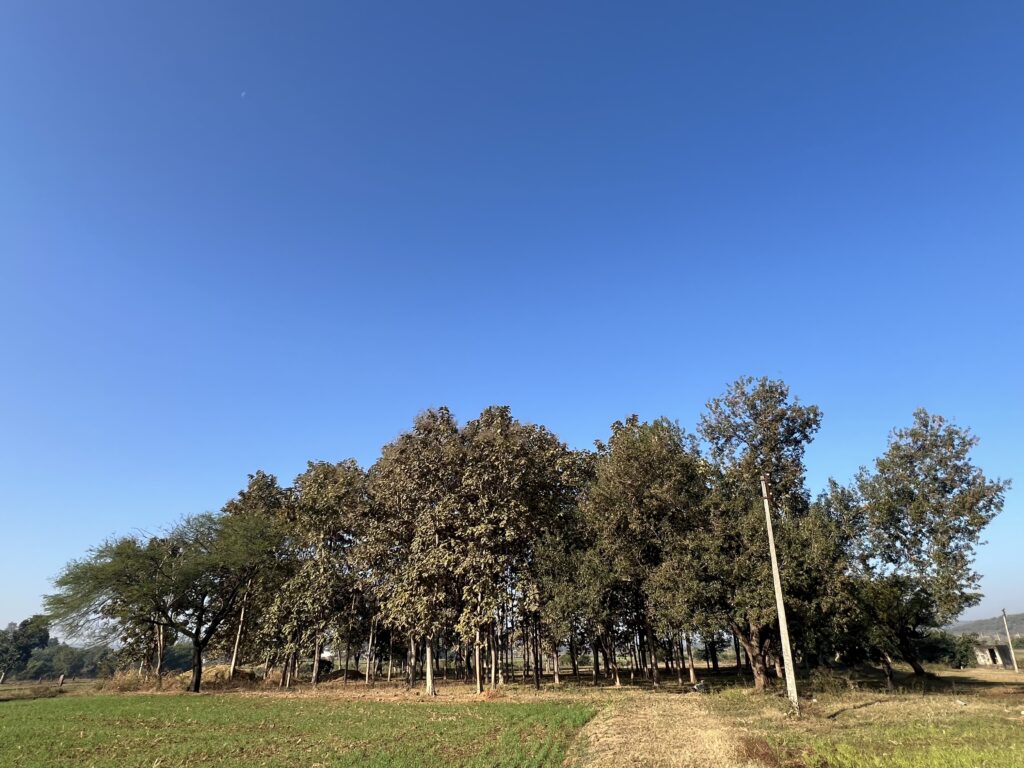
The land Colonel Pratap Singh purchased lay seven or eight miles from Shivpuri town, towards Jhansi, bordered on one side by a river and fed by an intricate system of dams and canals built by British engineers for the Scindia rulers. The surrounding geography was dramatic: volcanic hills layered in burnt-black rock rose on all sides, Tiger Hill stood directly opposite the farmhouse, and dense deciduous forest stretched westward across the Chambal all the way to Ranthambhor. The Chambal itself, that magnificent river fed by hillside springs across Rajasthan and Madhya Pradesh, formed the natural boundary of the region, its deep ravines and forested valleys shaping not just the landscape but the character of a place long defined by its wildness and its distance from ordinary administration. What the family found on arrival was country of extraordinary fertility and beauty, entirely uncultivated: locals were predominantly cattle-grazers, and no one had yet thought to sow rice. The Gills changed that. They cleared forest, coaxed water from the canals to irrigate fields that had been dry for centuries, and introduced paddy cultivation to a district that had never known it, so successfully that Shivpuri became a rice market of regional importance within a generation.
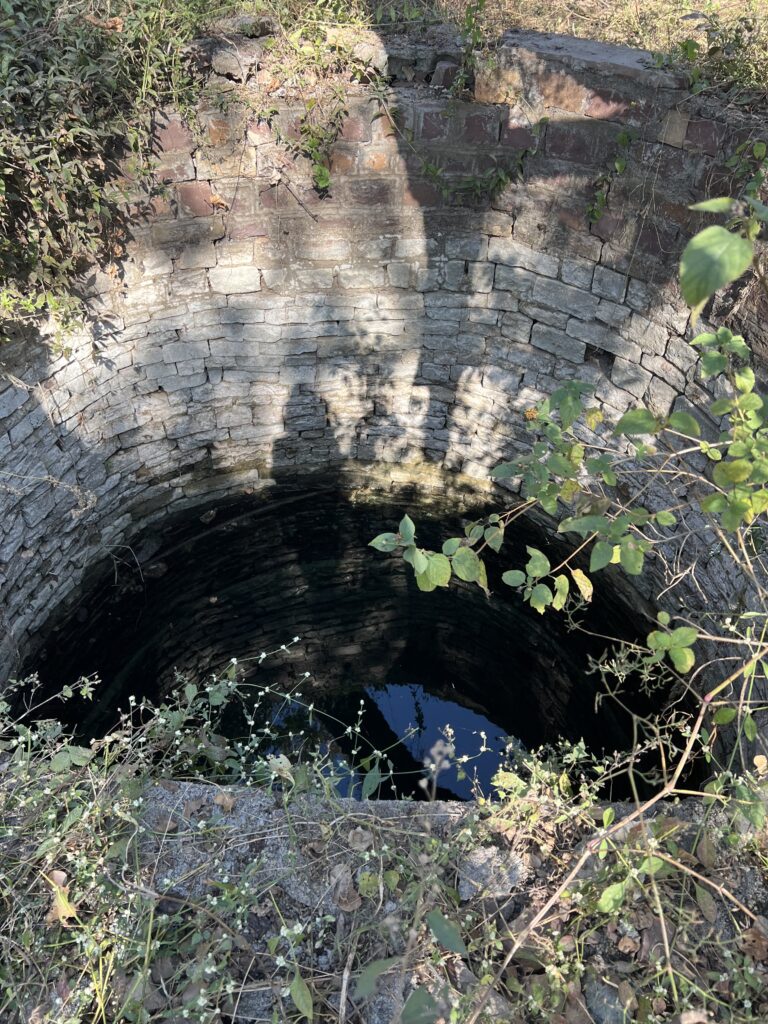
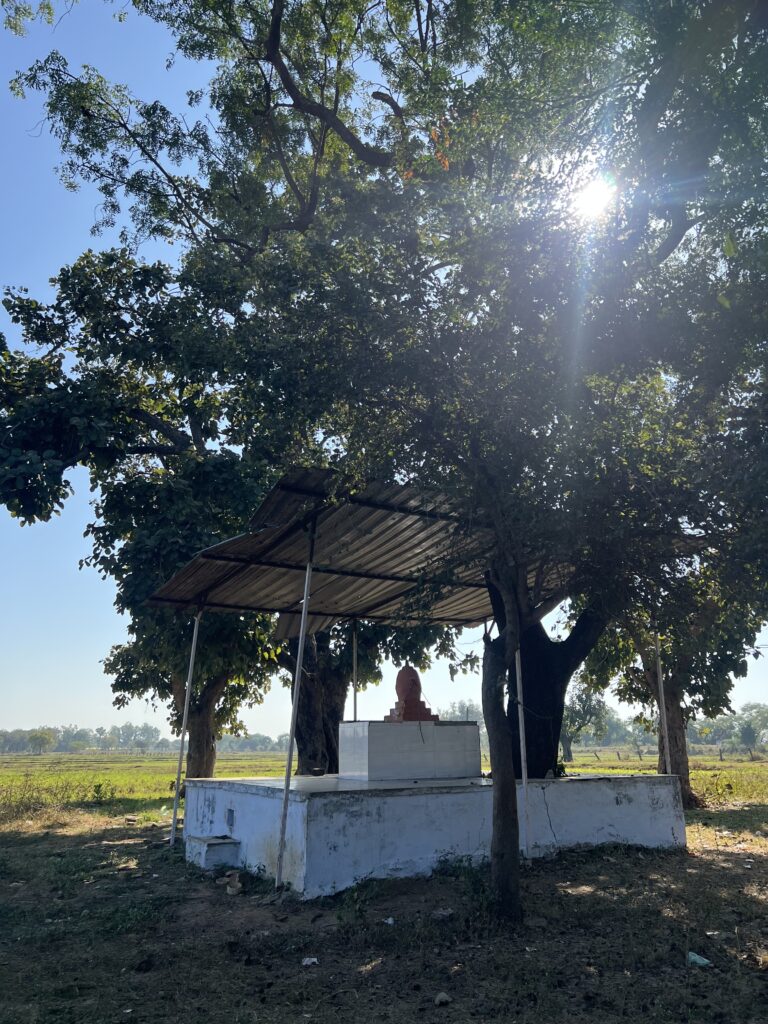
At the heart of the property stood two features that gave the farm its particular character. The first was a well, dug by the family for irrigation, which remains to this day – one of two originally sunk when the land was first brought under cultivation, now the sole one in Dr. Gill’s possession, still pumped to water the trees he has planted along the riverbank. The second was an ancient shrine beneath a sacred pipal tree by the river – a site that local communities had long treated as holy, and to which they continued to come for worship once a year, a tradition the Gills always welcomed. Together, the well and the shrine rooted the farm not just in the practical work of agriculture but in the longer life of the land – its sacred geography, its dependence on water, its continuity across generations. It was a place Dr. Gill returned to throughout his life: to sleep under skies blazing with stars invisible from Delhi, to wake to a profusion of birds long vanished from the capital, to tend the trees he planted, and to mourn, with clear eyes, the forests that were cleared and the tigers that roared from Tiger Hill no more.
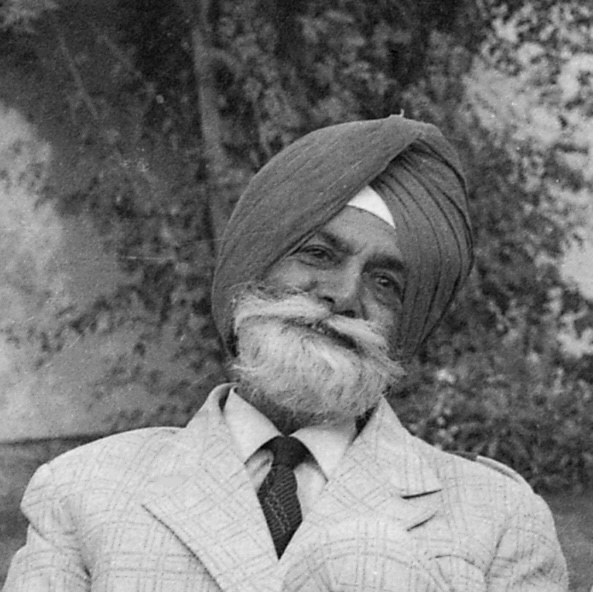
Colonel Partap Singh Gill (Retd.) served in the Indian Army and later as Lieutenant Governor of Goa. Known for his independent and unconventional style in public office, he brought a direct and engaged approach to governance, often departing from established protocol in favour of accessibility and personal oversight. During his tenure, he was closely involved with day-to-day administrative matters and attentive to public grievances, reflecting a belief in active and responsive leadership. His tenure in Goa came to be remembered for its informality, candour, and willingness to challenge convention.
Text needed.
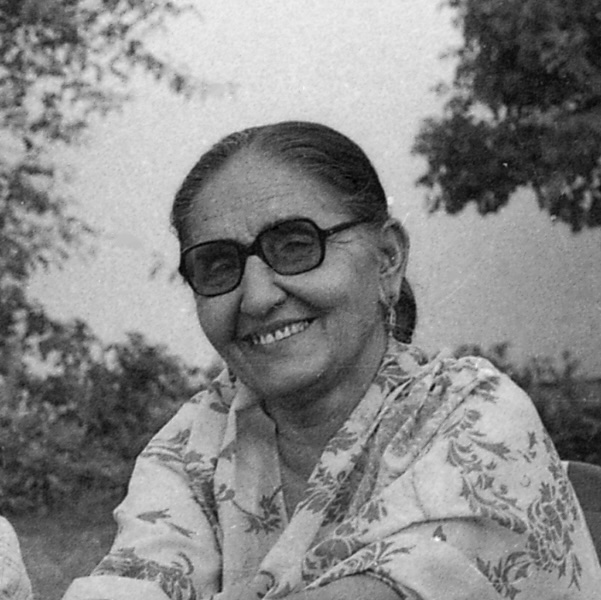
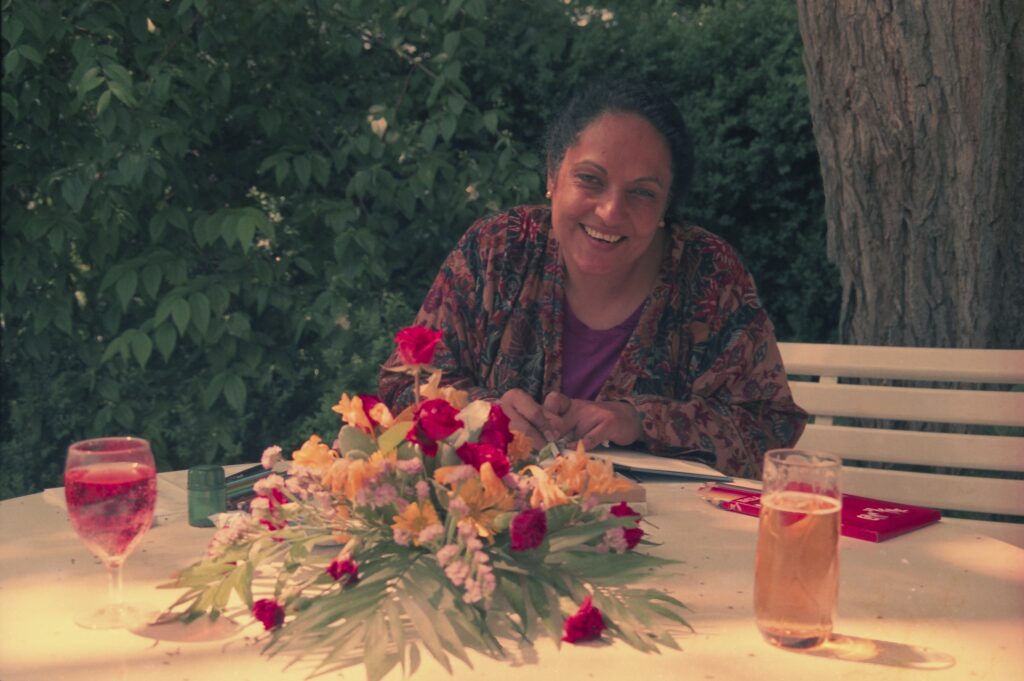
Vinnie Gill (b. 1946) was born in Jhansi and lives in Delhi, India. Her interest in nature was first kindled as a child in her grandparents’ cottage in their Garden House in Kasauli, Himachal Pradesh. During her subsequent studies in Shimla and Dalhousie, she took a keen interest in the art classes and drew obsessively in her textbooks. This led to a lifelong practice of creating diaries comprising of drawings of trees, flowers, birds and animals, mountains, rivers, old tombs and occasionally spiritual iconography. Having learned the fundamentals of drawing and painting in school and college, she later experimented on her own with different mixed media techniques including pastels, Chinese pigment paints, Rotring pens, watercolours, acrylics and oil paints, slowly developing her own style of work. On her travels she would take along a sketchpad, sheets of rice paper, or handmade paper along with pencils, pens and colours to record her journeys visually. Although she has not exhibited formally, her diary and study at home have provided a place of refuge and solace in times of grief and upheaval, and remain a consistent practice for over six decades shared only with an intimate circle of family and friends. Her works were exhibited as part of Gauri Gill’s exhibition ‘Sheher, Prakriti, Devi’ at Galerie Mirchandani + Steinruecke, Mumbai (2021) and Ishara Art Foundation, Dubai (2024).
Himmat Singh Gill served in the Indian Army, retiring with the rank of Major General, and later worked as a defence analyst and writer. After his military career, he remained actively engaged with public affairs, contributing regularly to newspapers, including The Indian Express, and writing on defense and strategic issues. He was also associated with literary and cultural institutions, serving as Chairman of the Chandigarh Sahitya Akademi, and authored works of fiction and essays. His writing reflected a continued engagement with public life, informed by experience and reflection.
Some writings:
‘A College Reunion’
‘Party time at Chandigarh’
‘The Trekkers’
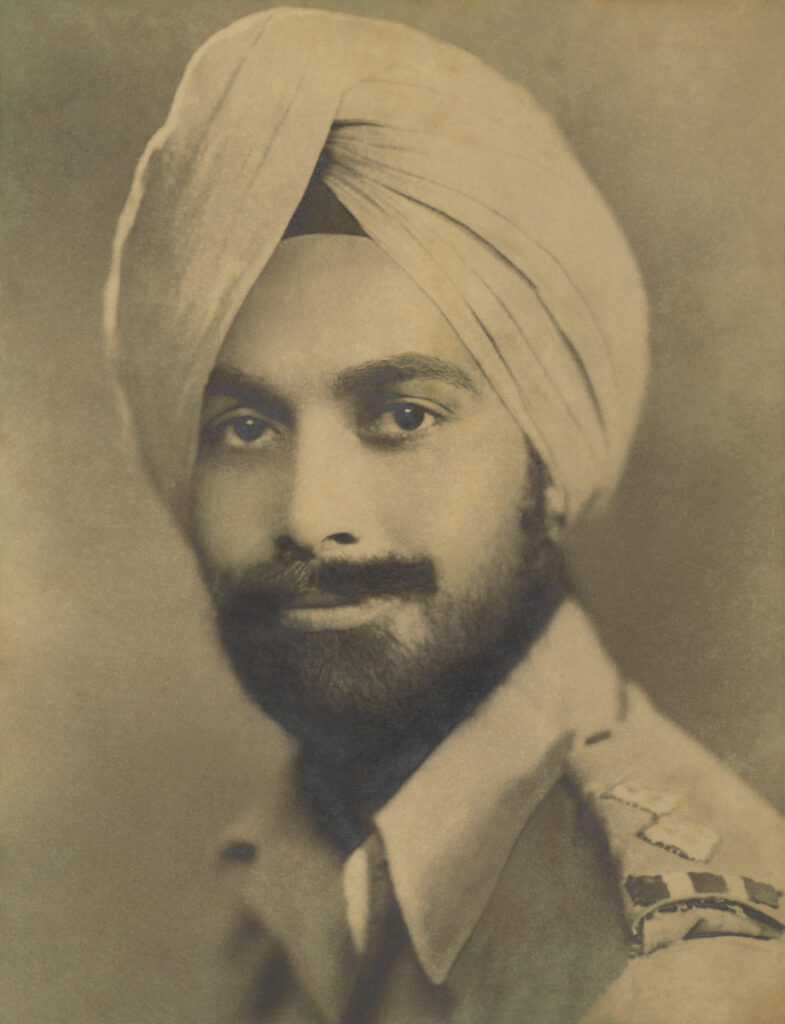
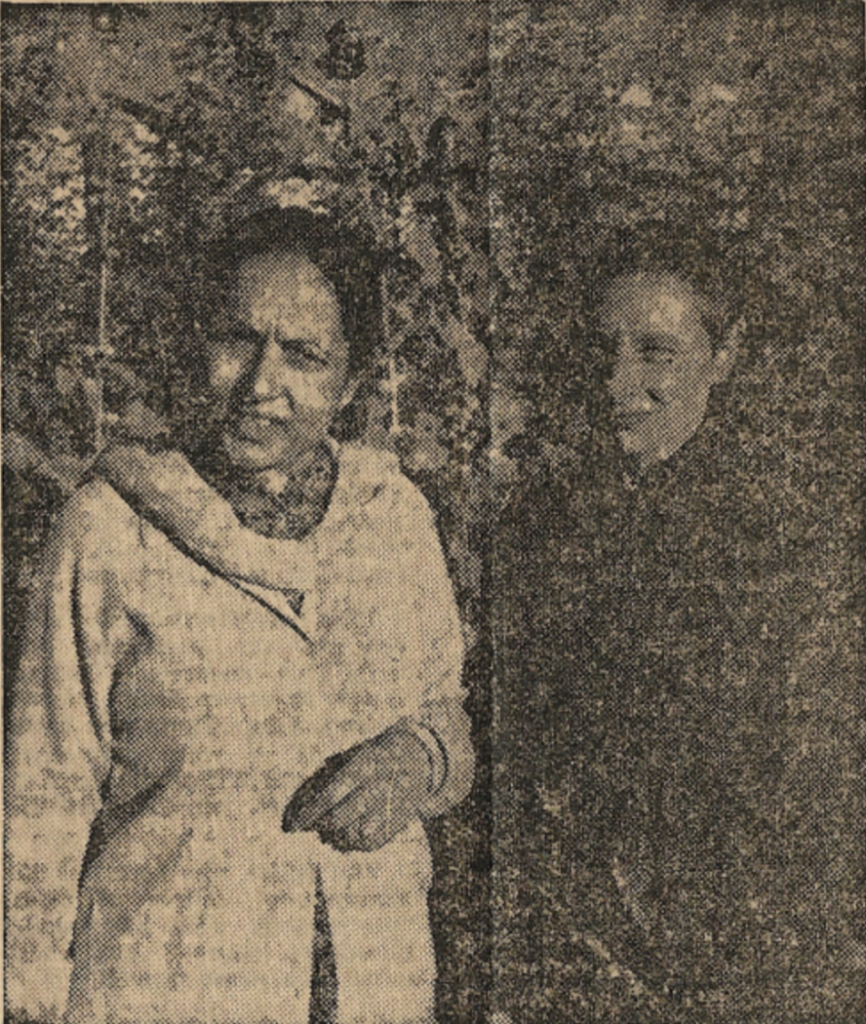
Billa Brar
Natasha Gill Pajrola is based in Zurich and has a background in economics and psychology. She has built her career in international financial institutions, including Swiss Re, where she has held senior roles in people and organisational development. Her work focuses on leadership, inclusion, and the shaping of organisational culture.
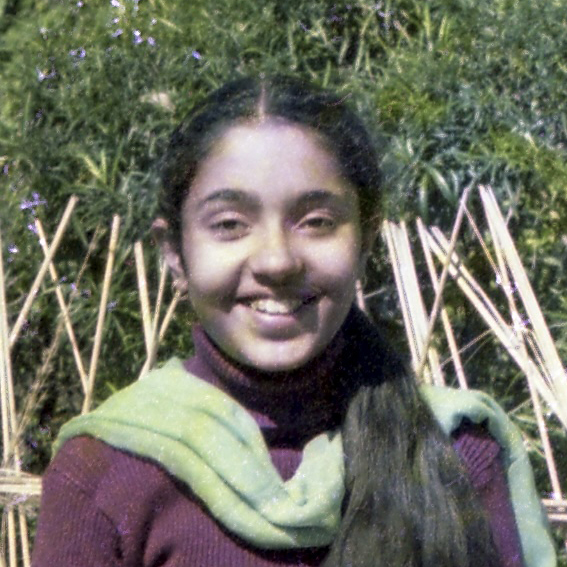
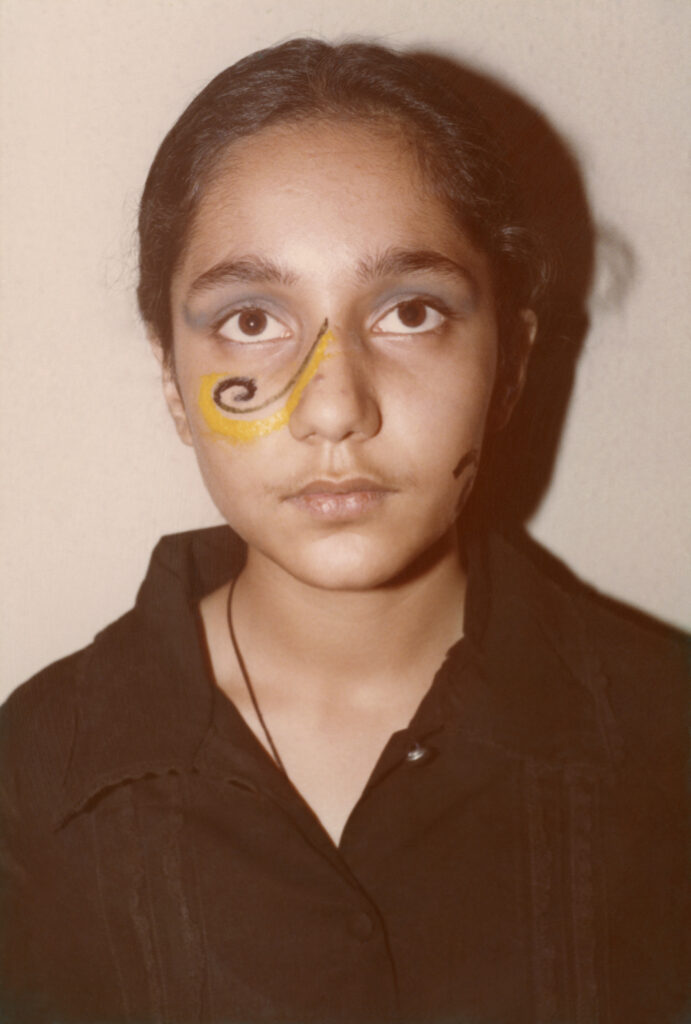
Gauri Gill is a Delhi based photographer. She has exhibited within India and internationally, including the V&A Museum, London; Louisiana Museum of Modern Art, Humlebæk; Schirn Kunsthalle, Frankfurt; 58th Venice Biennale; MoMA PS1, New York; Documenta 14, Athens and Kassel and the Kochi Biennale, Kerala. She has also consistently exhibited at locations outside of the art world, including public libraries, rural schools and non-profit institutions. Her most recent exhibition was The Village on the Highway, about the farmers’ protest in India in 2020-21. She received the Prix Pictet award in 2023, and the Grange Prize in 2011, among other honours. Gill has recently published two books about her multi-year collaborations with Adivasi artists in Maharashtra, India, called Fields of Sight and Acts of Appearance, both with Edition Patrick Frey, Zurich.
Ven. Professor Kaveri Gill is Non-Resident Senior Fellow, Centre for Excellence in Himalayan Studies, Shiv Nadar University Institute of Eminence, Delhi-NCR, where she continues to teach. She completed her second BA, MPhil, doctoral studies and post-doctoral fellowships, during which she taught development economics and political economy, at the University of Cambridge, United Kingdom. Back in India, Kaveri worked in the government, multilateral organisations, and international development consultancies, before rejoining academia in 2017. She has published widely, including a field-building monograph on waste, Of Poverty and Plastic: Scavenging and Scrap Trading Entrepreneurs in India’s Urban Informal Economy (Oxford University Press 2010). Kaveri completed the 6-year Nalanda Masters Course in Buddhist Philosophy in 2022 from Tibet House, New Delhi. By invitation, she served as the Principal of the Dalai Lama Institute for Higher Education, Bengaluru from 2021-22.