
Agricultural Policies
Dr. Gill qualified in the Indian Civil Services Examination with distinction. He worked extensively on rural development, agriculture improvement and literacy improvement. While he did not introduce the cooperative credit banking system, he is credited with being a major force in strengthening its financial foundation and with conceptualizing Apni Mandis for farmers.
In recognition of his work in these areas, he was selected to represent the Indian Administrative Service nationally and sent to Queens’ College, Cambridge, for a one-year Development Studies Programme. He became the Managing Director, National Cooperative Development Corporation, wherein he oversaw the Cooperative Movement in all the states of the Indian Union. He was invited by the World Bank to head one of their largest projects (SADP or Sokoto Agricultural Development Programme, 500 million dollars over five years) in Nigeria. He went on to serve as the Development Commissioner of Punjab, and later, as Agriculture Secretary in the Government of India from 1985-1987.
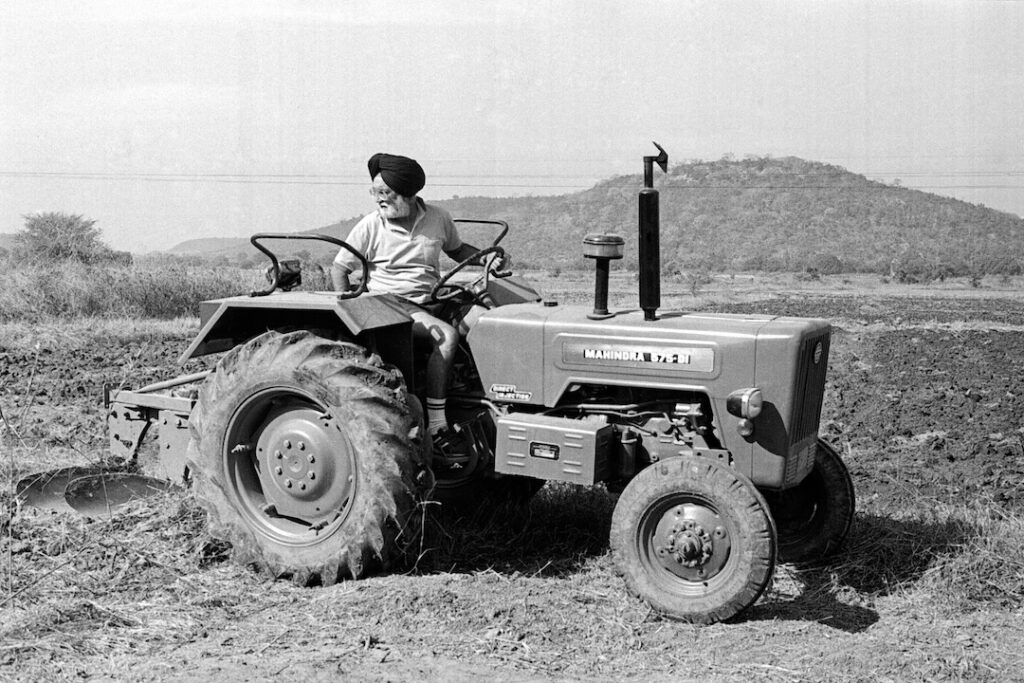
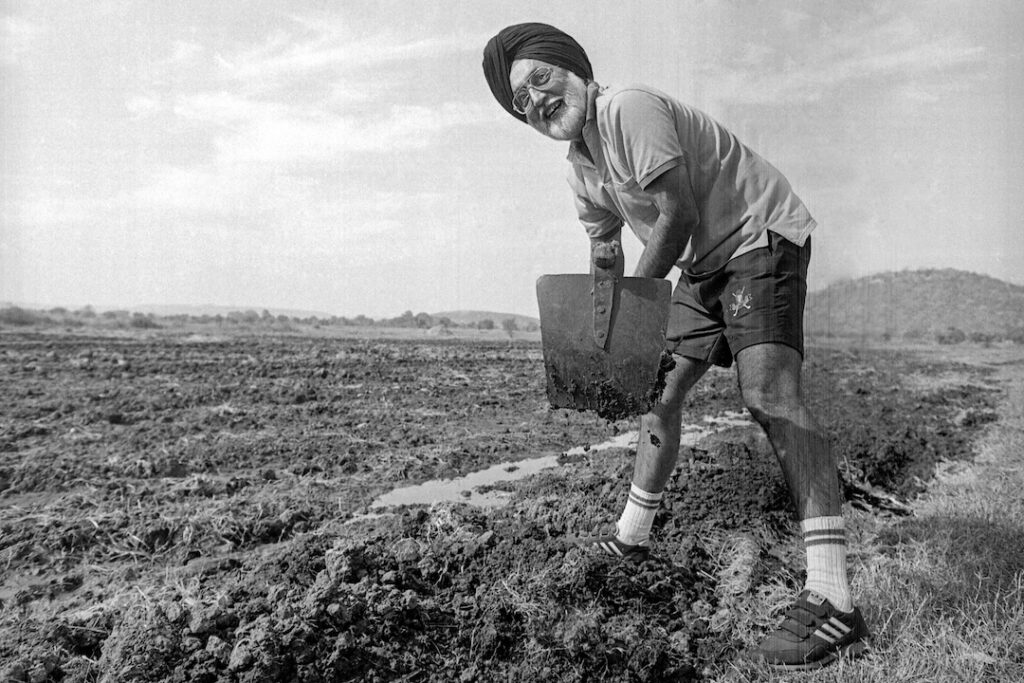
The Agricultural Cooperative Credit Banking System is a crucial, member-owned network designed to provide affordable and timely credit to farmers and rural citizens. It is democratically structured, operating on the principle of “one member, one vote,” and is a cornerstone of India’s rural finance. The formal cooperative movement began in India with the enactment of the Co-operative Credit Societies Act of 1904 to combat rural indebtedness under British rule. However, the original British ideal, focused on credit arising from the thrift and self-reliance of the peasantry, largely failed before 1947, as loans were small, security-based, and inaccessible to the poor. The policy shifted drastically post-independence following the 1954 Rural Credit Survey Committee (RCSC) report, which declared, “Cooperation has failed in India, cooperation must succeed.” This new approach mandated massive government investment and close supervision, fundamentally changing the structure to one backed by state resources.
Dr. Gill’s major contribution to the system was in strengthening its economic base and client viability, rather than regulatory reform. He operated within the post-independence framework, using state power to stabilize farmer incomes so that they could repay their cooperative loans. As head of the NCDC, he oversaw national policy, and in Punjab, he shifted the focus of cooperative loans to high-value, secure areas like horticulture, dairy, oilseeds, and wood. This diversification of lending reduced the risk associated with single-crop economies. His policies directly impacted the system by ensuring that the farmers—the clients of the cooperative banks—had guaranteed markets and higher profits.
Dr. Gill implemented two major techniques to directly enhance the economic welfare of farmers: the establishment of direct markets and a comprehensive diversification drive.
Read here excerpts from Dr. M.S. Gill’s thesis on the Agricultural Cooperatives in Punjab
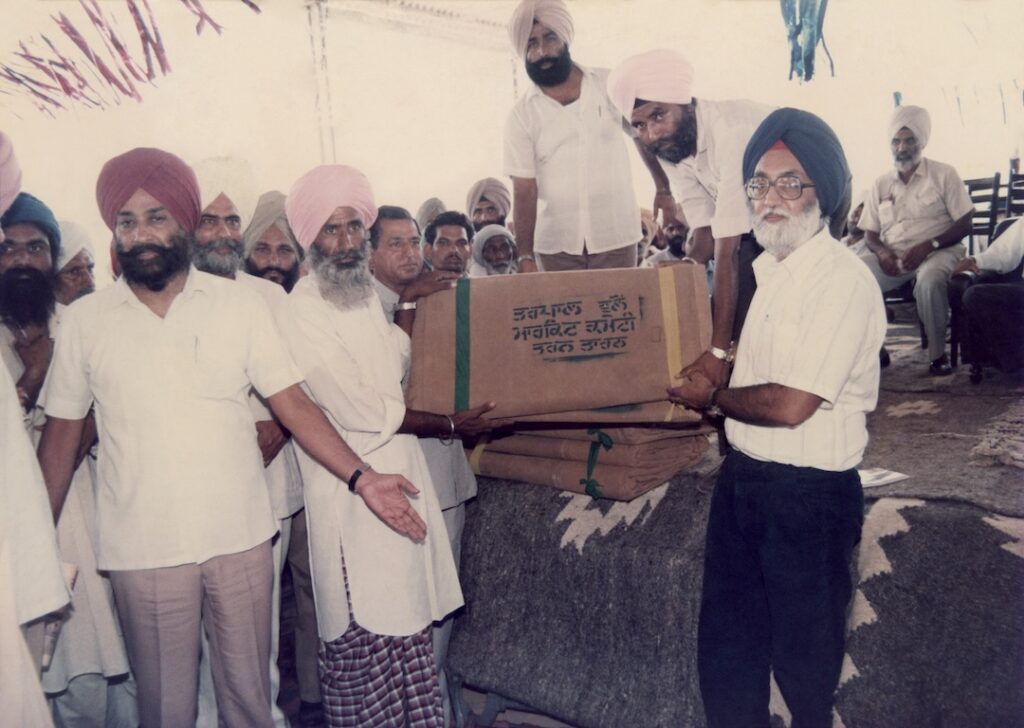
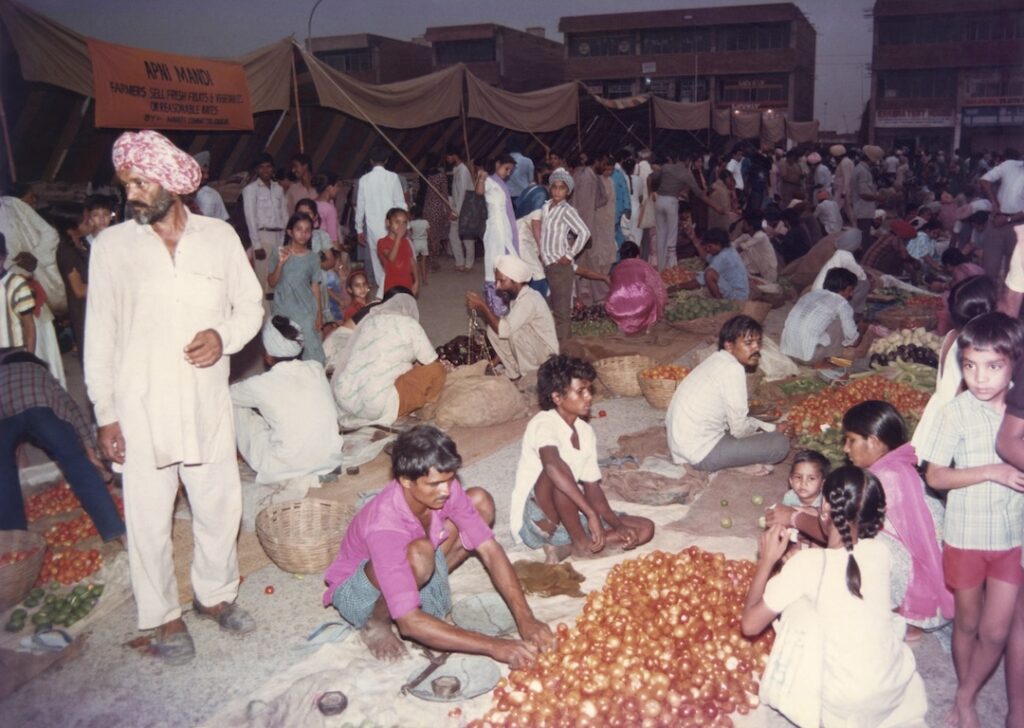
The concept of Apni Mandi i.e. Farmers’ Market was introduced by the Punjab State Agricultural Marketing Board in February, 1987 to provide an opportunity to small farmers to sell their produce to consumers directly without the aid of middle-men. The Mandis were based on the concept of the ‘Saturday Markets’, seen by Dr. Gill during his stay in Cambridge in 1967 for his Masters in Developmental Studies.
Under the guidance of Dr. Gill, the first Apni Mandis or direct sale experiment was conducted in one of Chandigarh’s large open spaces. Small farmers, owning five to seven acres of land, were identified and given badges to participate, and the Government Mandi Board aided them with setting prices. The high turnout for the event led to the Mandis being expanded to other sectors as well.
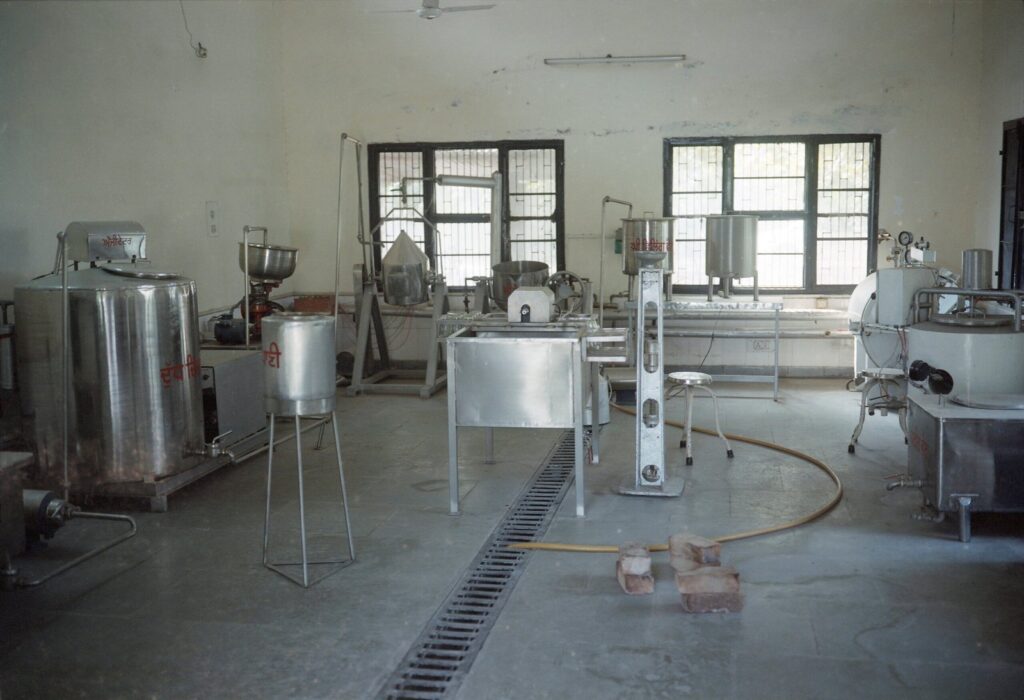

Dr. Gill believed that Punjab was not a leading agricultural state, but merely a leading grain growing state, and needed a more balanced profile. A Committee under Dr. S. S. Johl was appointed for this purpose. A primary focus was the immediate increase in sugarcane growing and processing, as Punjab was surprisingly a net importer of sugar. To address this, he launched a massive program to build and upgrade cooperative sugar mills. This effort began swiftly: two new 1250 TCD mills were commissioned in Patiala and Fazilka in 1986, followed by the Budhewal mill (Ludhiana) in 1987, and plants in Tarn Taran and Nakodar by 1988. Simultaneously, existing mills were enhanced, such as upgrading the capacity of the Nawanshahr mill from 1250 TCD to 2500 TCD. Through this massive effort, the total crushing capacity of cooperative sugar mills increased from 5,500 TCD in 1985 to 28,350 TCD by 1991. Furthermore, he focused on cooperative dairy farming by strengthening MILKFED, which provided vital support like veterinary cover and cattle feed. This was intended to become a major economic activity, especially for small peasants. Finally, during his tenure, multiple projects were initiated to better use agricultural resources and reduce waste, including striking a deal with Pepsi Cola for a processed food and vegetable joint venture and setting up a Newsprint factory that utilized sugarcane farming by-products. These actions created new, stable markets for alternative crops and secured higher incomes for farmers.