
Sports and Youth Reforms
Dr. M. S. Gill served as the Union Minister for Youth Affairs and Sports from April 6, 2008, to April 30, 2010, a period defined by the intensive preparations for the XIX Commonwealth Games and a systemic overhaul of national sports and youth policies. His administration prioritized the “broad-basing” of sports by expanding access from elite urban circles to the rural grassroots, while simultaneously modernizing the regulatory framework governing sports bodies. Central to this approach was the revitalization of federal cooperation; Dr. Gill re-established formal consultations with State Governments, beginning with a landmark National Conference on July 9, 2008. These sessions were instrumental in aligning state machinery with central objectives, ensuring that centrally funded schemes were implemented with greater accountability and local support across all states.
Beyond infrastructure, the tenure was marked by a shift toward institutional transparency and athlete-centric governance. Under Dr. Gill’s leadership, the Ministry moved to bring the Indian Olympic Association (IOA) under the purview of the Right to Information (RTI) Act and restored tenure limits for National Sports Federation (NSF) officials to prevent leadership stagnation. The administration also oversaw significant fiscal expansions, nearly doubling the budget for the Sports Authority of India (SAI) and launching the first-ever comprehensive scheme for the preparation of Indian teams for international competition. By consolidating youth programs into the National Youth Corps and expanding the reach of the Nehru Yuva Kendra Sangathan, the Ministry sought to integrate youth empowerment with national development, creating a structured legacy that extended beyond the podium finishes of the 2010 Games.
Infrastructure and Rural Outreach
The primary vehicle for rural sports development was the Panchayat Yuva Krida aur Khel Abhiyan (PYKKA), a flagship scheme launched in 2008-09. The scheme was approved with an outlay of ₹1,500 crore for the XI Five Year Plan (2007–2012) and aimed to provide basic sports infrastructure in all village and block panchayats over a ten-year period. In its first two years, the initiative reached over 27,000 village panchayats and 850 block panchayats across 30 states. To optimize resources, the Ministry coordinated with the MGNREGA scheme to utilize labor for land leveling and the development of playing fields. Between September and October 2009, approximately ₹227 crore was released to states for the creation of these facilities and the conduct of annual competitions.
Restoring and Modernizing Infrastructure
The Ministry addressed critical infrastructure gaps by reviving projects that had remained unfinished since the discontinuation of the previous Sports Infrastructure Scheme in 2005. An allocation of ₹60 crore was secured from the Planning Commission to complete these stalled sports infrastructures across various states. Additionally, a new centrally sponsored scheme for urban sports infrastructure was introduced in 2010-11 with a budget provision of ₹150 crore, emphasizing the installation of synthetic surfaces to familiarize athletes with modern international standards. Regional support was also prioritized; in preparation for the 2010 National Games, the Ministry recommended a grant of ₹110 crore in Additional Central Assistance (ACA) to the Government of Kerala for upgrading venues and procuring equipment.
Protection of Play Spaces and Inclusivity
As urbanization reduced available community spaces, the National Playing Fields Association of India (NPFAI) was registered as a society on February 24, 2009. The NPFAI was established to protect and preserve existing playfields, and the Ministry urged the Ministry of Urban Development to create a legal framework requiring new residential areas to reserve space for playgrounds. Regarding the 2010 Commonwealth Games, the Ministry implemented a Legacy Plan to ensure newly built venues remained self-sustaining and accessible, which included a ₹15 crore allocation for the modernization of 30 additional facilities across Delhi. Furthermore, in 2009-10, the Ministry formulated the first-ever Scheme for Promotion of Sports and Games for the Disabled, providing grants for specialized coaching, equipment, and the organization of competitions from the district to the national level.
Regional Development and Individual Excellence
The Ministry provided targeted support to remote and high-altitude regions to preserve traditional sports and support local talent. Financial assistance included a ₹2.5 lakh grant for the Ladakh Polo Tournament and a similar grant for traditional polo in Manipur, alongside support for winter sports in Leh and Lahaul & Spiti. Specific grants under the National Sports Development Fund (NSDF) were also sanctioned to promising athletes, including Padma Chorol for figure skating and Tsering Ladol for her participation in the NCC Everest expedition.
The Ministry of Youth Affairs and Sports, during this period, initiated a comprehensive reorganization of the administrative and financial frameworks governing National Sports Federations (NSFs). By shifting toward a model of continuous oversight and legal transparency, the Ministry sought to align domestic sports management with international standards of good governance. This transition was marked by the introduction of mandatory compliance cycles, the legal integration of sports bodies into public transparency laws, and the enforcement of democratic electoral processes to ensure long-term institutional stability.
Mandatory Recognition and Financial Accountability
To address systemic defaults in financial reporting, the Ministry introduced a landmark mandatory annual recognition procedure in January 2010. Under this system, NSFs were required to move away from indefinite recognition and instead apply for status renewal each year. This renewal was contingent upon the timely submission of audited accounts, utilization certificates, and detailed data regarding their legal, management, and operational status. By maintaining this centralized database, the Ministry established a mechanism to verify that public funds were utilized strictly for athletic development and administrative transparency.
Legal Transparency and the RTI Act
A major policy shift occurred in January 2010 when the Ministry asserted that the Indian Olympic Association (IOA), as the apex sports body, must fall under the purview of the Right to Information (RTI) Act. Despite legal challenges, the Delhi High Court concurred with this position on January 7, 2010, ruling that the IOA and the Organizing Committee for the 2010 Commonwealth Games were “public authorities.” This ruling subjected these organizations to public scrutiny and mandated the disclosure of financial and administrative records, ensuring a higher standard of transparency for bodies managing significant public resources.
Electoral Integrity and Tenure Reforms
The Ministry prioritized democratic reforms within sports bodies by restoring tenure caps for office bearers, a decision informed by the practices of the International Olympic Committee (IOC). Effective from May 2010, these regulations limited the tenure of NSF Presidents to a maximum of 12 years. Secretaries and Treasurers were permitted two successive four-year terms, followed by a mandatory four-year “cooling-off” period before becoming eligible for re-election. Additionally, the Ministry enforced fair election practices, such as granting only conditional recognition to Hockey India until it established unified, transparent state-level bodies through democratic processes.
Protection of Athlete Integrity and Selection Standards
To safeguard the interests of athletes, the Ministry implemented several procedural reforms to combat fraud and ensure merit-based opportunities. Starting April 1, 2010, the production of official athlete identity cards became mandatory for participation in national competitions and international selection trials. This system was designed to counter age fraud and was recommended for adoption at the state level. Furthermore, the Ministry directed all NSFs to implement robust and supervised selection criteria for international events, ensuring that trials were conducted fairly and that every athlete had an equal opportunity to represent the nation based on objective performance data.
The Ministry of Youth Affairs and Sports, during this period, focused on the professionalization of athlete support systems and the modernization of training infrastructure. By addressing the financial security of sportspersons and providing technical resources, the Ministry sought to establish a sustainable framework for high-performance sports. This administration marked a transition from general oversight to active partnership in athlete development, ensuring that administrative and financial barriers were minimized for India’s elite competitors.
Financial Empowerment and Technical Support
To support athletes competing on the international stage, the Ministry approved a daily “petty allowance” of up to $25 for members of the Indian contingent to meet personal expenses abroad. To reduce the high cost of elite training, the Ministry secured customs duty exemptions on the import of sports goods, synthetic playing surfaces, fitness equipment, and sports apparel. Furthermore, the administrative process for renowned shooters was simplified to allow for the direct import of weapons and ammunition. Ammunition quotas for practice were increased to 15,000 rounds for a single event and up to 25,000 for multiple events, with shooters permitted to hold up to five weapons under the new guidelines.
Social Security and Welfare for Sportspersons
On July 1, 2008, the Ministry doubled the pensions for medal winners to ensure long-term financial stability following retirement from active sports.
[View Table: Revised Pension Rates for Medal Winners] [View Table: Enhanced Award Money for Olympic and National Sports Awards]
The Scheme of Assistance to Meritorious Sportspersons was significantly liberalized to support those in indigent circumstances. The annual income eligibility ceiling was raised from ₹36,000 to ₹2 lakh. Financial assistance for fatal injuries was increased from ₹1 lakh to ₹5 lakh, while assistance for other injuries was raised from ₹40,000 to ₹2 lakh. The Ministry also provided ex-gratia payments to veterans and their families, including ₹3 lakh to the widow of gold medalist Shri Makhan Singh and ₹1.5 lakh each to the widows of six members of the 1956 Olympic football team.
Rationalization of National Sports Awards
The Ministry implemented several reforms to the National Sports Awards to maintain their prestige and ensure fair selection:
- Rajiv Gandhi Khel Ratna: The award was limited to one individual per year to ensure exclusivity, with relaxations made only in exceptional circumstances such as Olympic medal victories.
- Arjuna Award: The restrictive “one award per discipline” rule was removed for team sports and to ensure gender parity, allowing for more than 15 awards annually with proper justification.
- Dronacharya Award: The award was restructured to recognize “lifetime contribution” in coaching, removing the requirement that a coach must have trained an athlete in the immediate two years preceding a performance.
- Integrity and Selection: Nominating authorities were required to certify that nominees were clear from vigilance or disciplinary angles. Furthermore, any person related to a nominee was barred from the selection committee’s deliberations for that category.
Revitalization of SAI and LNUPE Infrastructure
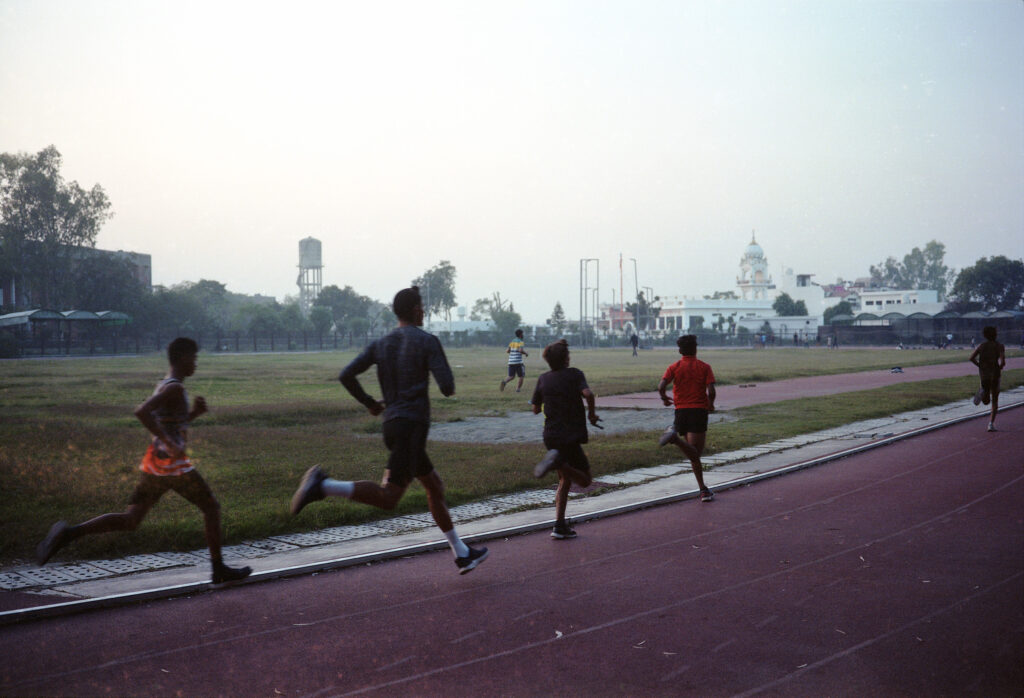
The Sports Authority of India (SAI) underwent an administrative and budgetary expansion, with its budget increasing from ₹160 crore in 2009 to ₹321 crore in 2010–11. To address the shortage of technical personnel, the Ministry initiated fresh recruitment for coaches. Significant capital was allocated to modernize training hubs, including ₹85 crore for upgrading SAI hostels in Bhopal, Patiala, and Bengaluru. New hockey turfs and synthetic athletic tracks were installed across multiple centers, including Jalandhar, Sonepat, and Gandhinagar. Additionally, a North East campus of the Lakshmibai National University of Physical Education (LNUPE) was established in Guwahati to provide dedicated physical education and sports science facilities for the region.
Anti-Doping Framework and Integrity
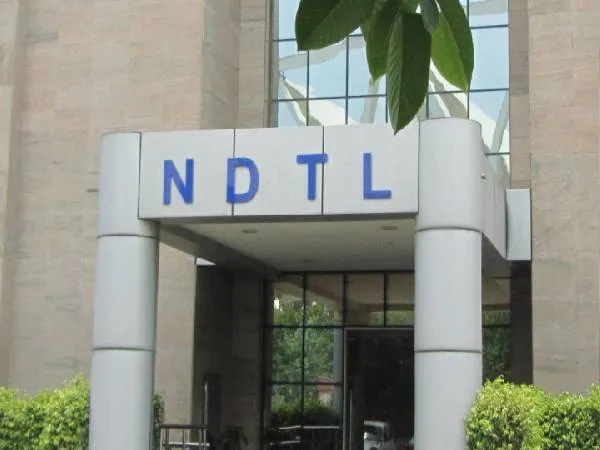
To establish a self-reliant and economic dope-testing facility, high priority was given to the National Dope Testing Laboratory (NDTL) in New Delhi. On September 21, 2009, the NDTL received official accreditation from the World Anti-Doping Agency (WADA), allowing India to conduct world-class testing domestically. Simultaneously, the National Anti-Doping Agency (NADA) became fully functional on January 1, 2009, with the constitution of the Anti-Doping Disciplinary and Appeal Panels. New protocols were implemented to ensure the testing process was transparent, accountable, and respectful toward elite athletes, keeping them informed at every stage of the reporting process.
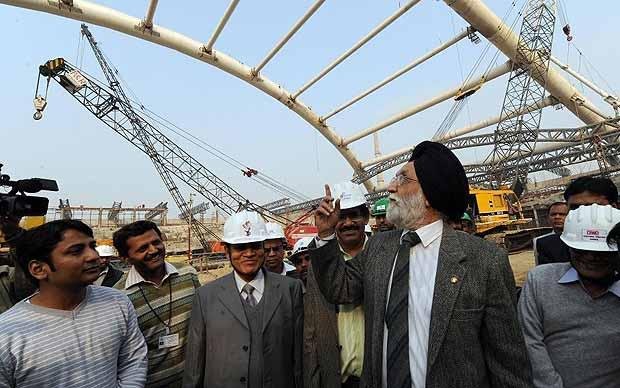
The successful execution of the XIX Commonwealth Games (CWG) in Delhi was a primary administrative focus during this period. When Dr. M. S. Gill assumed office in April 2008, significant delays in venue construction were identified, necessitating an intensified monitoring regime and a substantial increase in financial allocations. The Ministry’s approach focused on three key areas: the rapid completion of international-standard infrastructure, the establishment of rigorous financial and administrative oversight, and the implementation of a dedicated high-performance training program for Indian athletes.
Infrastructure Development and Monitoring
Although the contract for the Games was signed in 2003, construction on many major stadiums only began in 2008. To address these delays, the Ministry initiated a regime of personal monitoring and weekly site inspections by senior officials. The Government of India invested ₹4,460 crore specifically for the creation and upgrade of competition and training venues. This investment resulted in the completion of world-class facilities such as the Major Dhyan Chand National Hockey Stadium, the Dr. Karni Singh Shooting Range, the Talkatora Boxing Stadium, and the Siri Fort Sports Complex. To ensure the long-term utility of these venues, a Legacy Plan was initiated, including a ₹15 crore allocation for the modernization of 30 community sports facilities across Delhi schools and residential areas.
Financial Oversight and Governance
The total government outlay for the Games reached ₹6,267 crore, which included an additional ₹1,520 crore sanctioned for temporary structures and facility upgrades. To manage this expenditure with transparency, the Ministry facilitated the establishment of a Group of Ministers (GoM) dedicated to Games preparations. Financial oversight of the Organizing Committee (OC) was strengthened through the creation of a Finance Sub-Committee and the deployment of senior financial officers. These measures were designed to rectify identified deficiencies in internal management and ensure that the substantial public investment was utilized according to strict procedural standards.
Comprehensive Athlete Preparation Scheme
A landmark ₹678 crore scheme was launched to maximize the medal potential of Indian athletes for the 2010 Games. This represented the first time a dedicated, large-scale financial framework was established for the intensive training of elite sportspersons. The program supported 1,140 core probables across 17 sporting disciplines, providing them with:
- Expert Coaching: Engagement of 25 top-level foreign coaches and 170 specialist Indian coaches.
- Technical Support: A team of 78 sports scientists, doctors, analysts, and psychologists provided full medical and scientific backing.
International Exposure: Approximately 2,327 players were sent abroad for advanced training and participation in international competitions, ensuring they gained the necessary experience for the global stage.
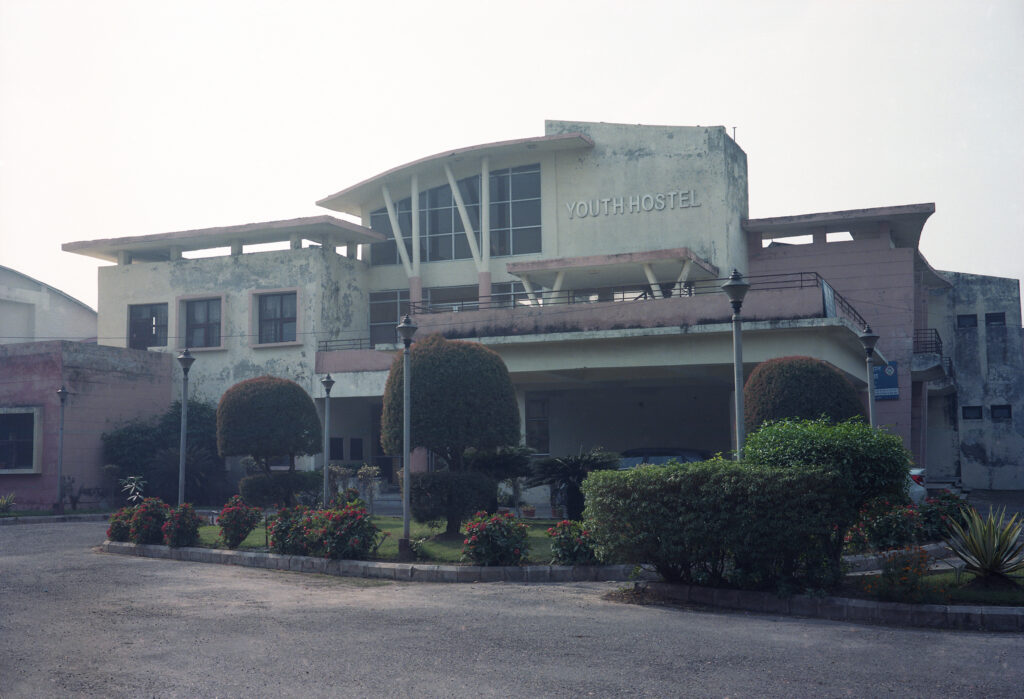
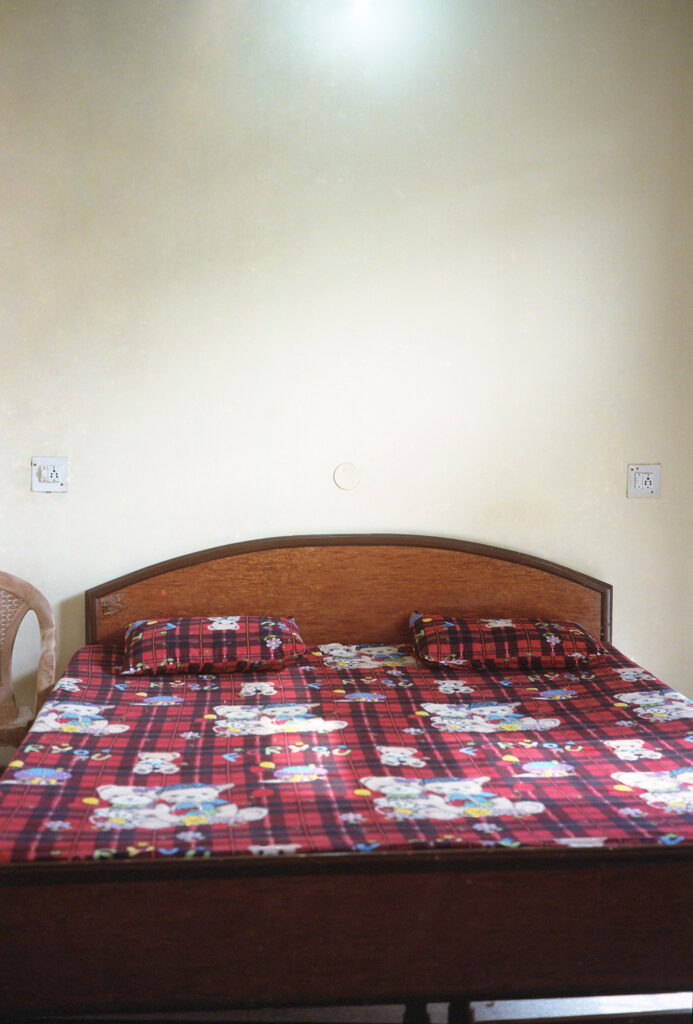
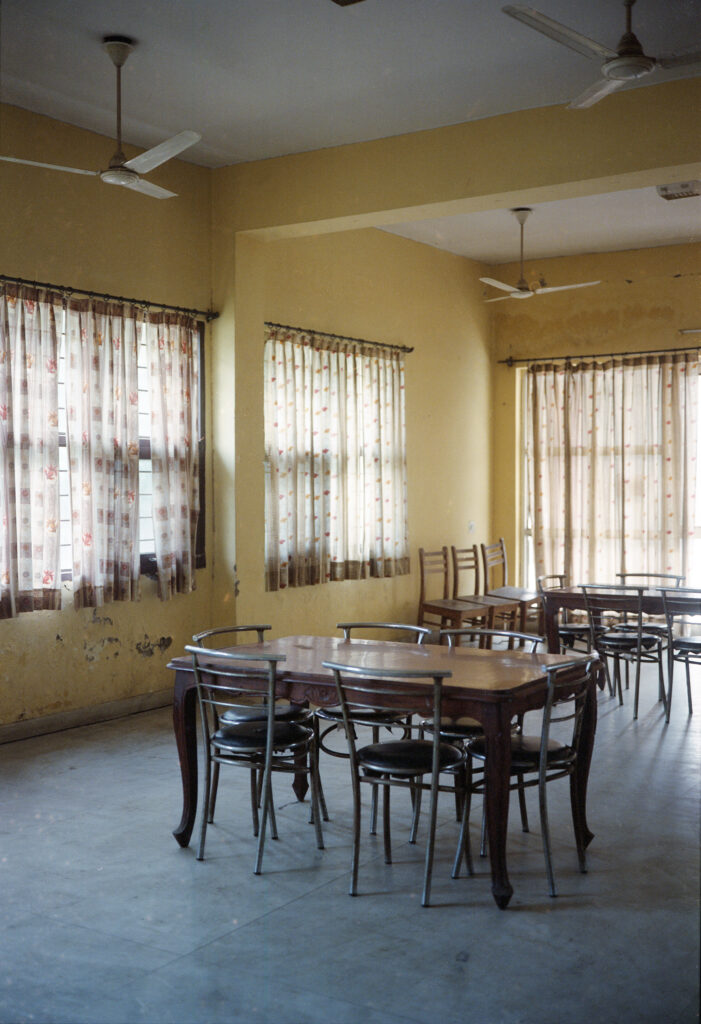

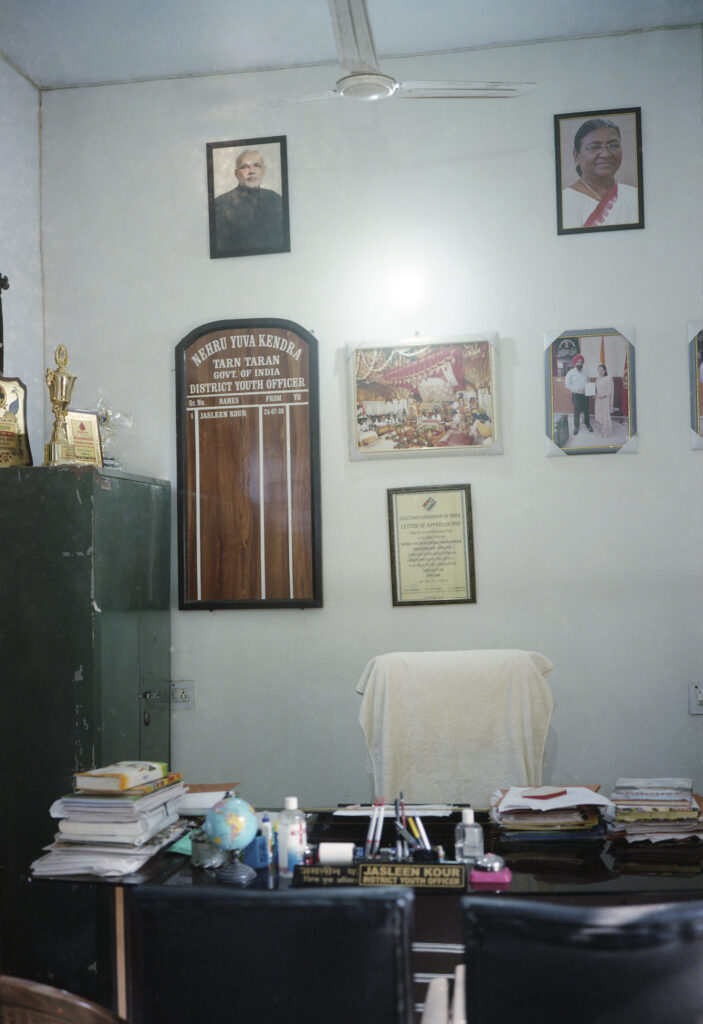
During this period, the Ministry of Youth Affairs and Sports initiated a significant reorganization of youth-focused schemes to eliminate duplication and enhance administrative efficiency. The primary objective was to transition toward a more integrated model of youth engagement, focusing on skill development, national service, and the promotion of leadership through adventure and cultural exchange. By streamlining funding and modernizing the nationwide network of youth hostelry and community centers, the Ministry established a broader foundation for youth involvement in nation-building activities.
Consolidation of Youth Schemes and National Youth Corps
On April 1, 2008, the Ministry consolidated several 100% center-led schemes into a single umbrella program: the National Programme for Youth and Adolescent Development (NPYAD). This was followed by the launch of the National Youth Corps (NYC), which integrated the National Service Volunteer (NSV) and Rashtriya Sadbhavna Yojana (RSY) schemes. The NYC enabled individuals aged 18–25 to participate in nation-building projects for up to two years. To further incentivize social service, cash awards for the National Youth Award were doubled to ₹40,000 for individuals and ₹2,00,000 for organizations. Similarly, the Tenzing Norgay National Adventure Award was increased from ₹3 lakh to ₹5 lakh in 2008-09.
Expansion of Youth Infrastructure and Hostels
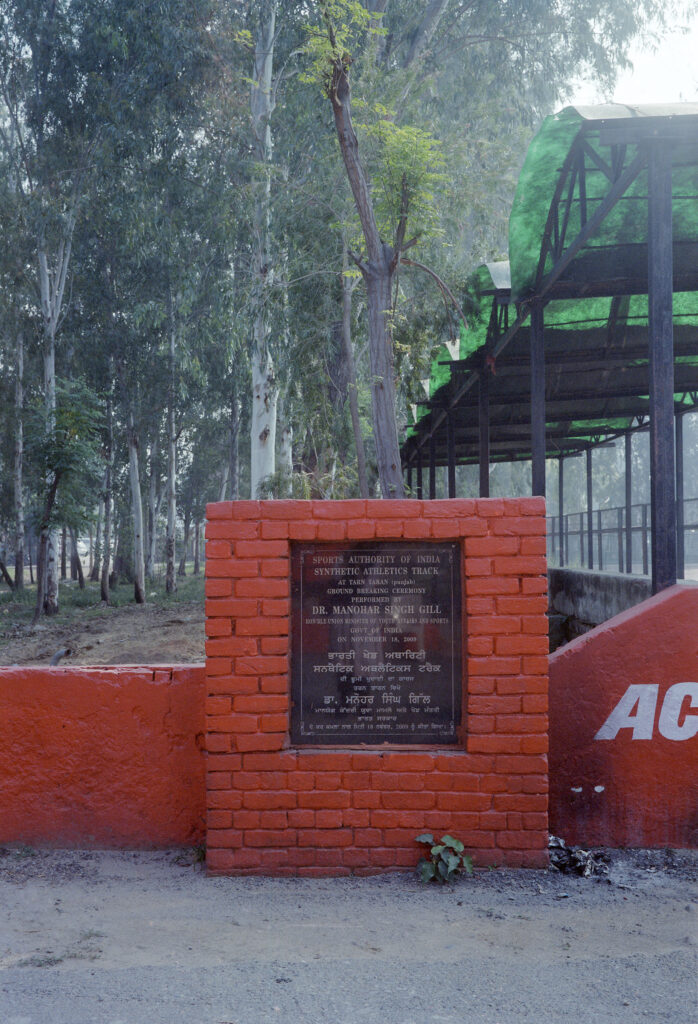
The Ministry conducted an extensive audit of the national network of Youth Hostels, which comprised 80 facilities in 2009. Following this review, 25 hostels were selected for comprehensive renovation, with an allocation of ₹20 lakh each. New state-of-the-art hostels were completed in Tarn Taran (Punjab), Badrinath, Vizinagaram, and a 44-bed facility in Ooty (Tamil Nadu). Administrative reforms were also implemented to improve hostel management, including increased remuneration for wardens and an enhanced furnishing budget for new facilities, which was raised to ₹5 lakh in 2009.
Nehru Yuva Kendra Sangathan (NYKS) Reorganization
The Nehru Yuva Kendra Sangathan (NYKS) underwent a major expansion, with the approval of 122 new Kendras. In 2009-10, the Ministry provided ₹5 crore to support over 50,000 youth clubs across the country. A specific focus was placed on vocational training and self-employment, particularly for women in 100 border, tribal, and hilly districts. These programs were funded through a combination of NYKS budgetary support and trainee contributions. Additionally, the NYKS launched the Bharat Parikrama Programme, a cultural exchange initiative designed to facilitate travel and interaction between the youth of the North East and other Indian states.
National Service Scheme (NSS) and Adventure Initiatives
A key development in the National Service Scheme (NSS) was the launch of the Rajiv Gandhi Adventure Scheme. Conceived to promote leadership and team spirit, the program utilized national mountaineering institutes to provide training across diverse terrains, from the Himalayan regions to the deserts of Rajasthan. The Ministry also introduced the concept of annual Mega Summer Camps, involving 400 students in 12-day educational and camping expeditions. To support these activities, the budget for the National Youth Festival was doubled to ₹2 crore, and a dedicated North East Youth Festival was inaugurated in Kohima in 2009 with a ₹1 crore sanction.s were sent abroad for advanced training and participation in international competitions, ensuring they gained the necessary experience for the global stage.