-
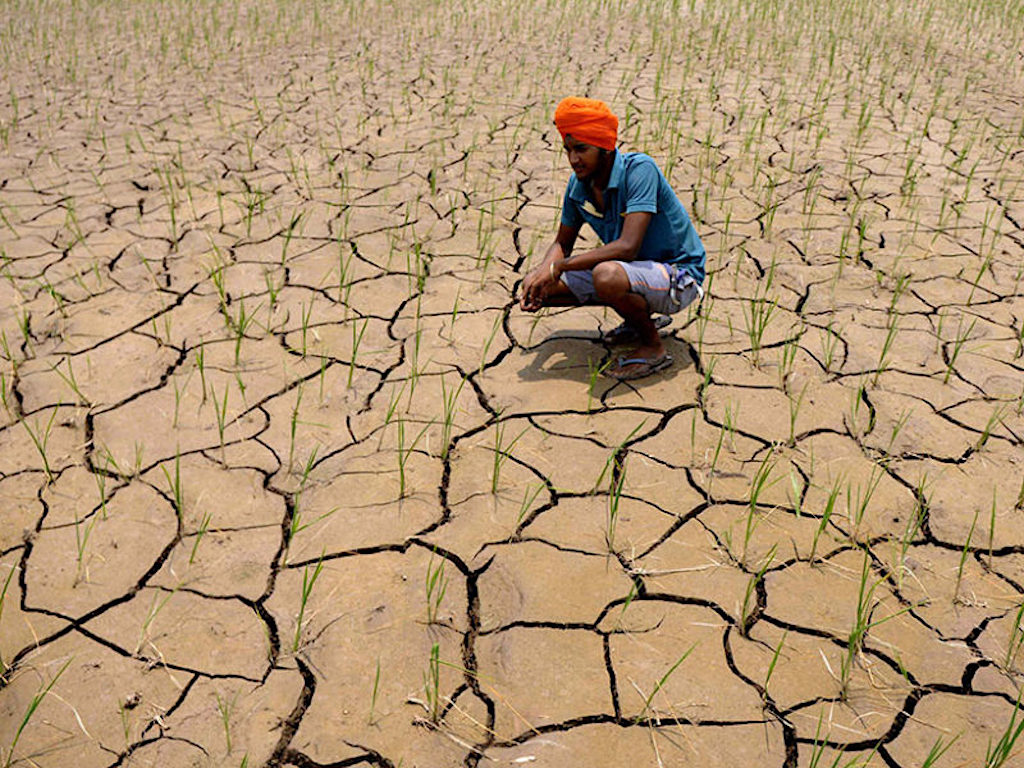
The bitter waters of the Punjab Rivers
Read more here: The bitter waters of the Punjab RiversI joined the Punjab IAS in 1958. In 1960, Prime Minister Nehru signed the World Bank Sponsored Agreement with Prime Minister Liaqat Ali Khan, to divide the river waters of the old Punjab. The East Punjab was allotted 15.2 MAF and the Ravi, Beas and Sutlej rivers, while the West Punjab got Chenab, Jhelum and…
-
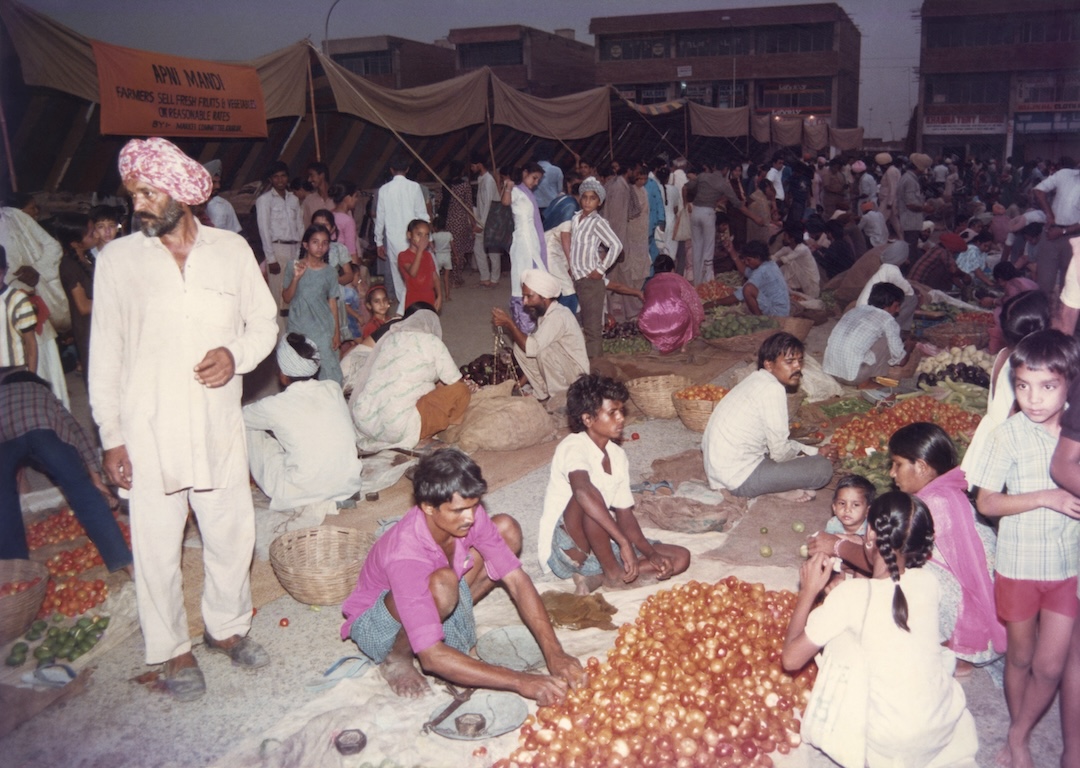
‘Even after 33 years, the idea of Apni Mandi has survived’
Read more here: ‘Even after 33 years, the idea of Apni Mandi has survived’The Tribune, Ludhiana | June 11, 2019 In 1985, on return from the World Bank, I became Development Commissioner, Punjab, responsible for the agriculture and rural sector. This unified authority, now split, was created by Kairon. I had spent the year 1967 in Cambridge and gone again on invitation in 1974-75 to write my book…
-
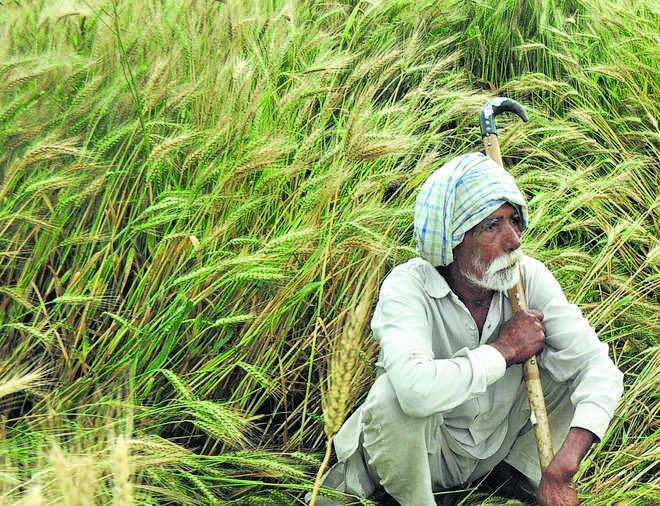
Punjab’s never-ending woes
Read more here: Punjab’s never-ending woesThe Tribune, Chandigarh | April 7, 2019 Partition was a great disaster – lost lives, migration, and other horrors. We left the west canal colonies created by the Sikhs, and got one-third sandy land in return. Laudhiana was all tibbas, growing groundnut. The rivers were divided and Punjab got 15 million acre-foot (MAF). Against the Constitution…
-
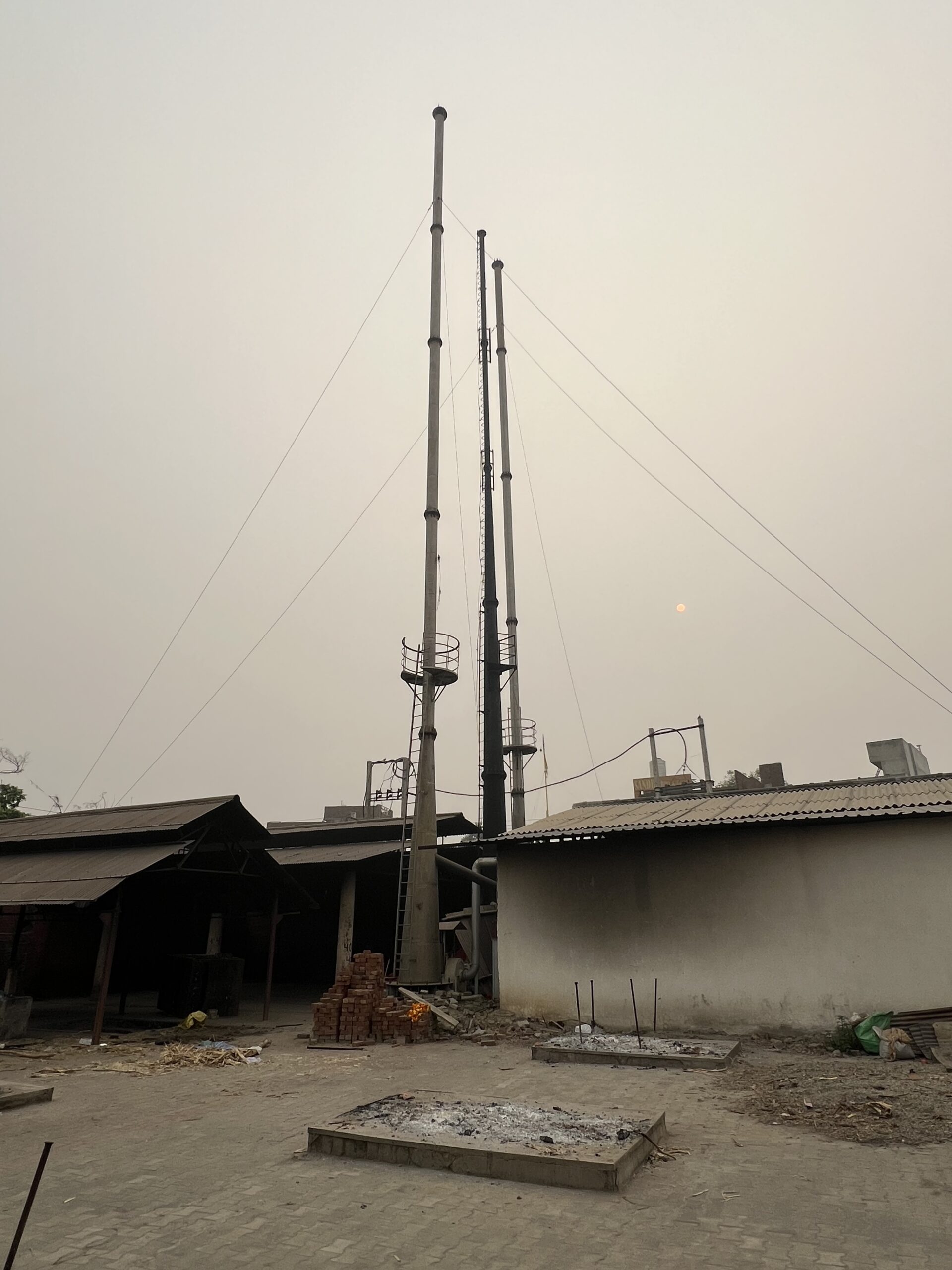
Gas crematoria for Punjab
Read more here: Gas crematoria for PunjabThe Sunday Tribune, Chandigarh | June 25, 2017 Kaffeeklatsch: ‘Media would not be intimidated’, dated June 11, was a good read. Heera Chand Guglani’s verse on the futility of expenditure on last rites drew my attention in particular. When I was a Rajya Sabha MP from Punjab (2004-2016), the then Deputy Commissioner, Amritsar, who also…
-
Water Crisis in East and West Punjab
Read more here: Water Crisis in East and West PunjabThe Sunday Tribune, Chandigarh | May 23, 2010Republished in The Hindu | May 29, 2010 Let’s tackle it with a steady application of science, says Manohar Singh Gill As the long hot summer sizzles, men’s thoughts in Lahore and in Amritsar turned to water. It is scarce on both sides of the border. When the British…
-
Complex: a national commitment
Read more here: Complex: a national commitmentThe Tribune | September 23, 1991 The foundation stone of Goindwal Nucleus Industrial Complex was laid in 1981 after considering the objectives of providing employment in rural, backward areas to youth. The historical and religious importance of Shri Goindwal Sahib was a significent factor in deciding the location of India’s first Nucleus Industrial Complex. A…
-
Some thoughts on development
Read more here: Some thoughts on developmentThe Tribune | April 13, 1988 It is an old truth now that the Punjab is the country’s leading producer of surplus foodgrains. Ever since the start of the Green Revolution in 1967, the Punjab has continued to contribute a major part of the procurement by the Food Corporation of India. Over the period 1985-87,…
-
Comments for MARKFED
Read more here: Comments for MARKFEDThe Tribune | June 23, 1986 I extend my good wishes to MARKFED on the occasion of its Annual General Meeting. Cooperatives in Punjab have played an Important role in development of agriculture and MARKFED has always been in the lead. By assuring timely availability of fertilizers and inputs it has made it possible for…
-
Need for diversification of agriculture in Punjab
Read more here: Need for diversification of agriculture in PunjabThe Tribune | March 16, 1986 Economic change is a continuous and universal process, and its speed and intensity depend on the obtainable situation from country to country and region to region. In order to provide gainful direction to the development of economic activities, the Government of India and the State Government immediately after Independence…
-
A step towards cultural revival
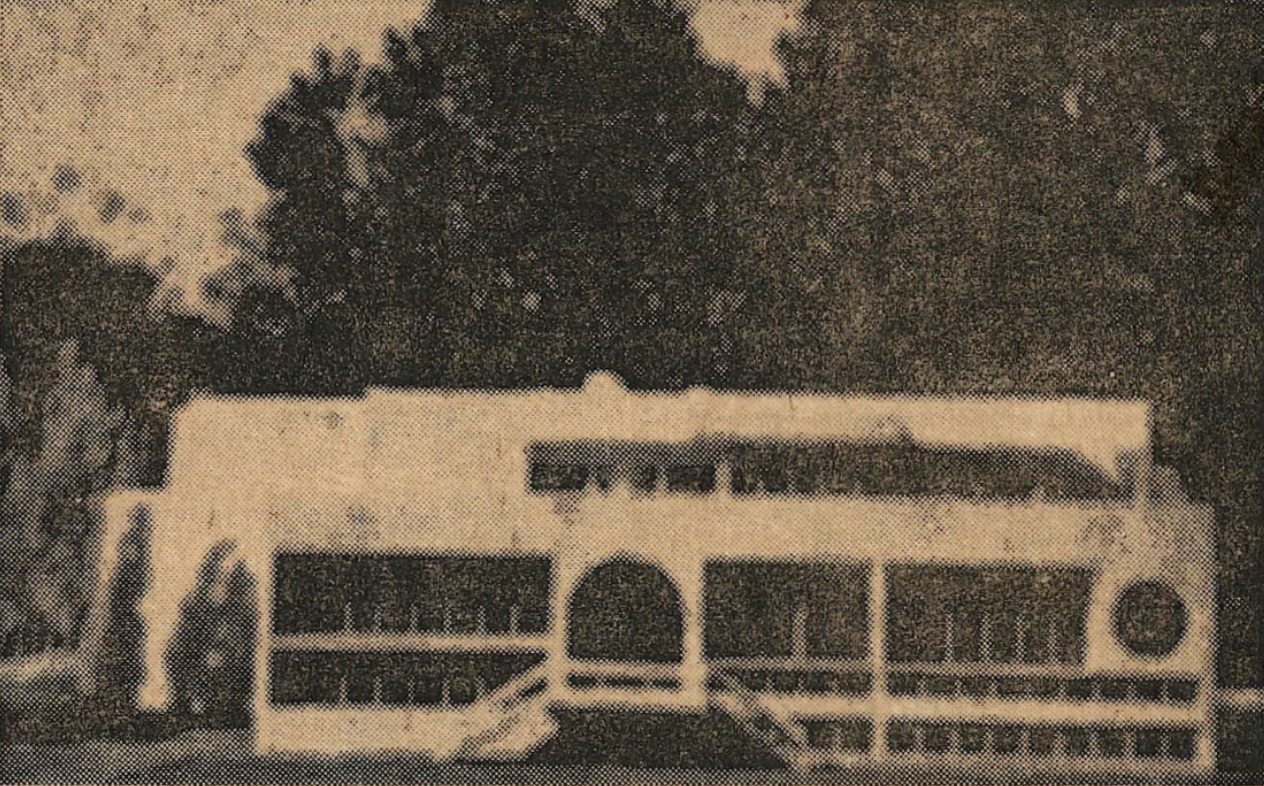
Read more here: A step towards cultural revivalThe Tribune | November 12, 1979 Mr Parkash Singh Badal will today lay the foundation stone of the Punjab Arts Council building near the Rose Garden in Chandigarh. This will be an important step in the cultural revival of the State. Ever since 1966, when the miracle wheat seeds came to Punjab, we have all…
-
Co ops lead in wheat procurement
Read more here: Co ops lead in wheat procurementFor Hindustan Times Weekly | July 22, 1973 During the last 70 years the co-operative movement has progressed and proliferated in various directions, but credit still remains one of the primary objectives. Today, there are approximately 3.23 lakh co-operative societies with about 5.80 crore members in the country. They cover over 48 per cent of…
-
Ten Years of NCDC
Read more here: Ten Years of NCDCThe Tribune | March 13, 1973 Even though Cooperation was introduced in the years of the 20th century, the movement did not make any significant impact on the economy till after independence. Till 1947, the cooperative movement concerned itself primarily with credit activities. With the introduction of planned development in 1951-52, the attention of Government…
