
Extensive Utilisation of MPLADs Funds and Girls Education in Remote Border Areas
Dr. M.S. Gill, strategically utilized ₹3895.22 Lakh of his MPLADS funds (up to 2016) for comprehensive social and infrastructural development, primarily focused on durable community assets in rural Punjab.
His priority was clear: “It is good that religious places should be built, but the real concern today is of building educational institutions with modern technical education.”
His work centered on five key areas:
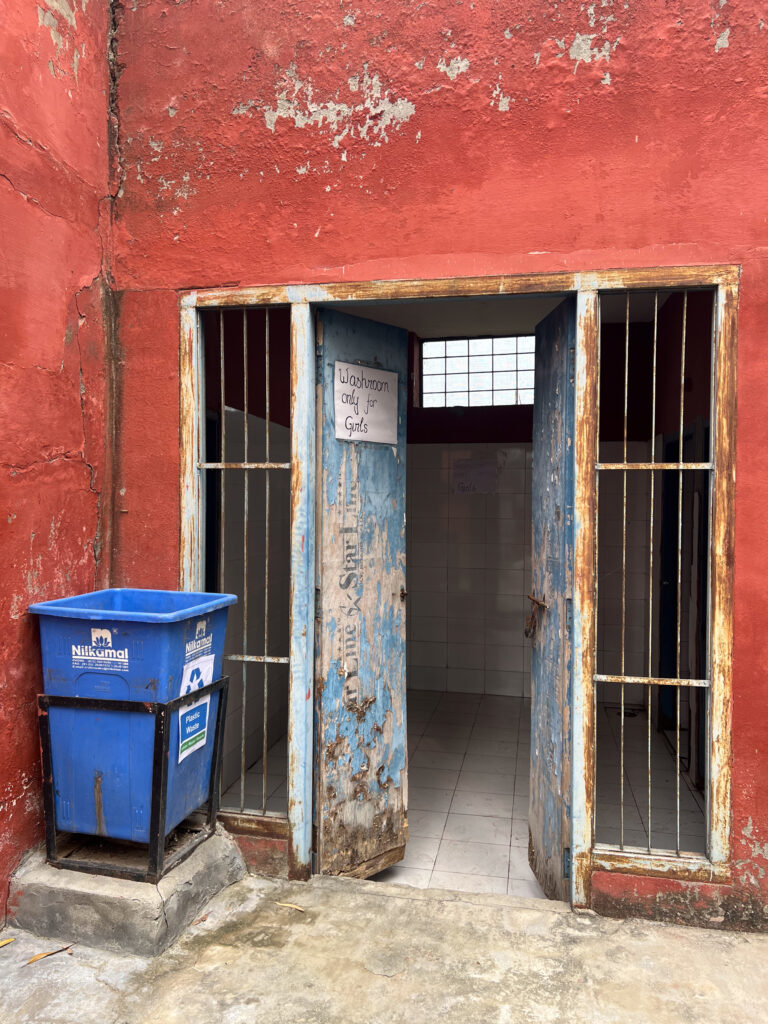
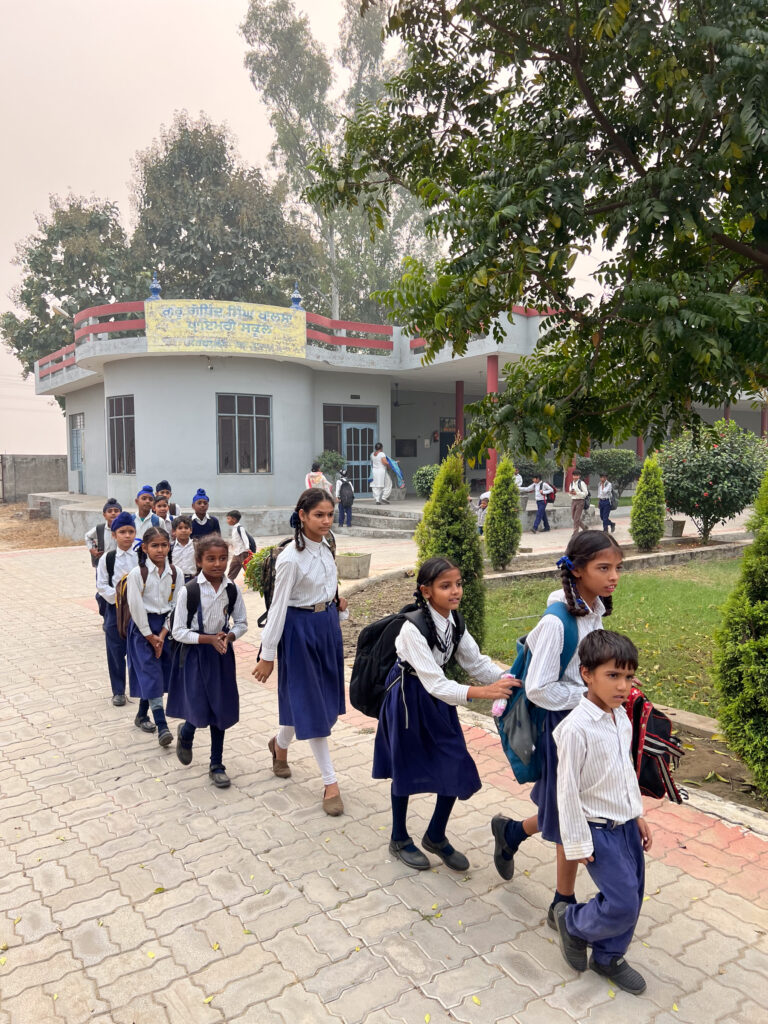
- Girls’ Education: ₹587.22 lakh (approx. 15% of the total) were dedicated to empowering female students, particularly in border areas. Investments funded classrooms, hostels, and sanitation facilities. His ₹60 lakh donation for the Dr. Amrita Pritam Girls Hostel at PAU underscored his belief: “When you educate a girl, you educate an entire generation.”
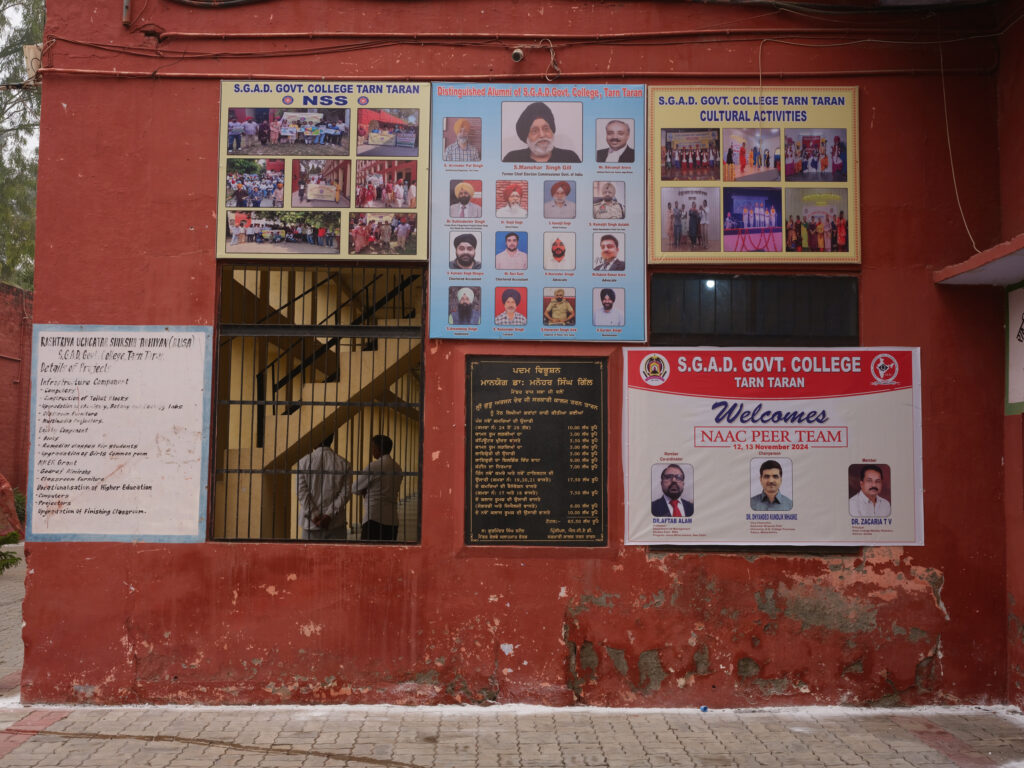
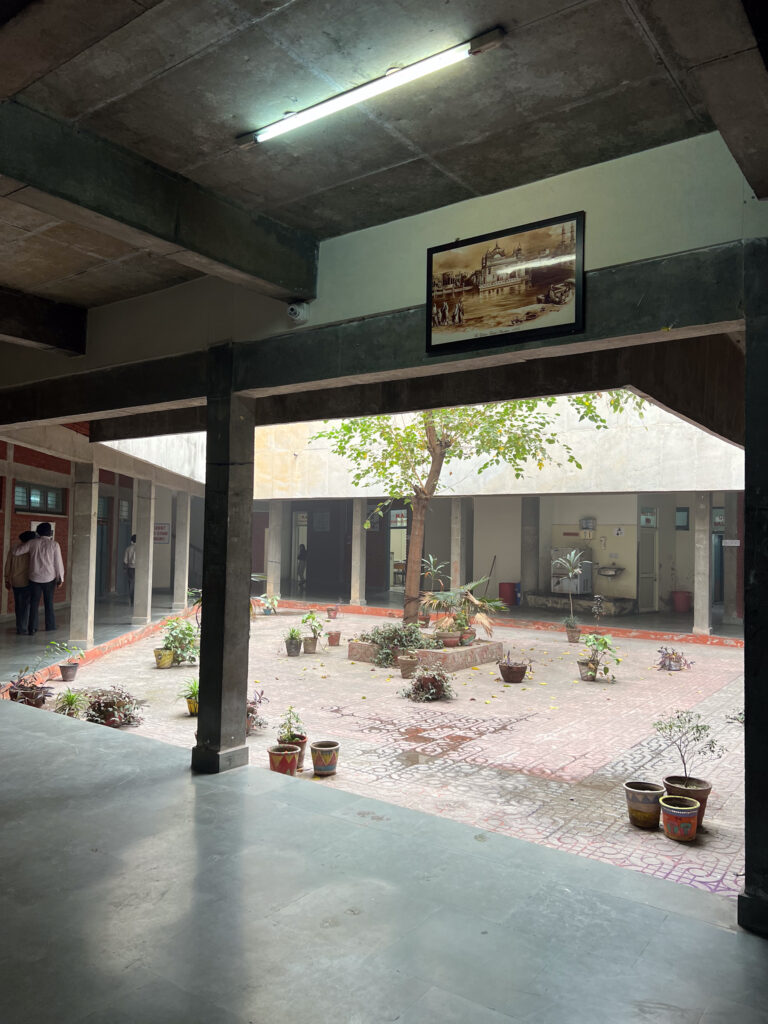
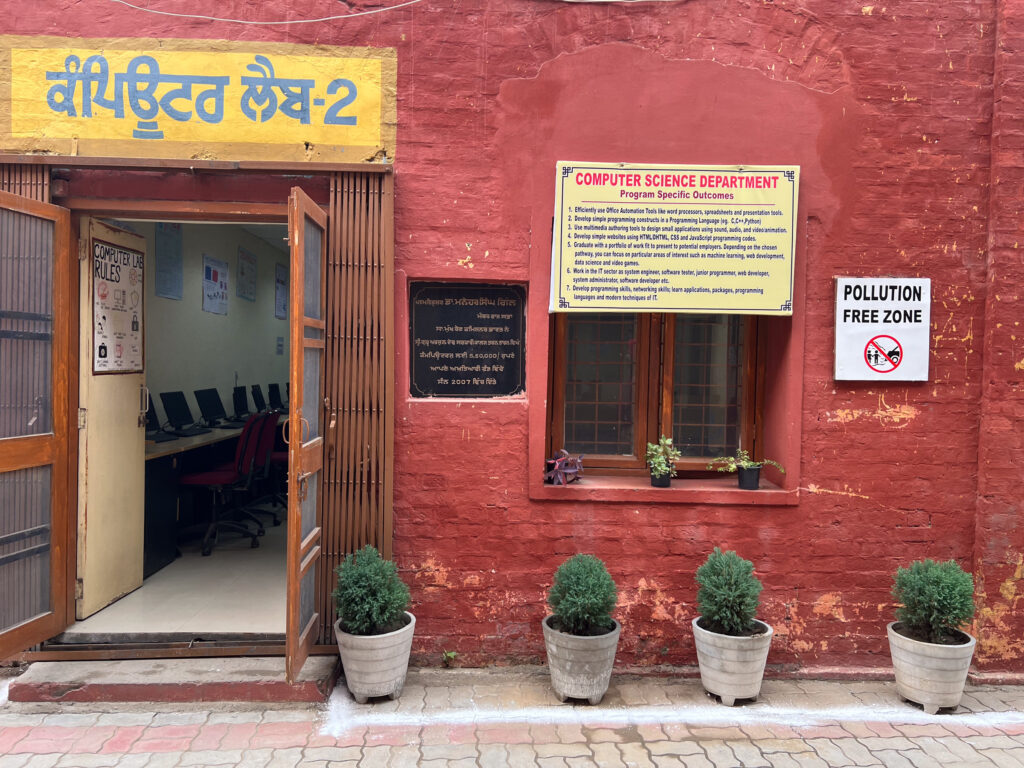
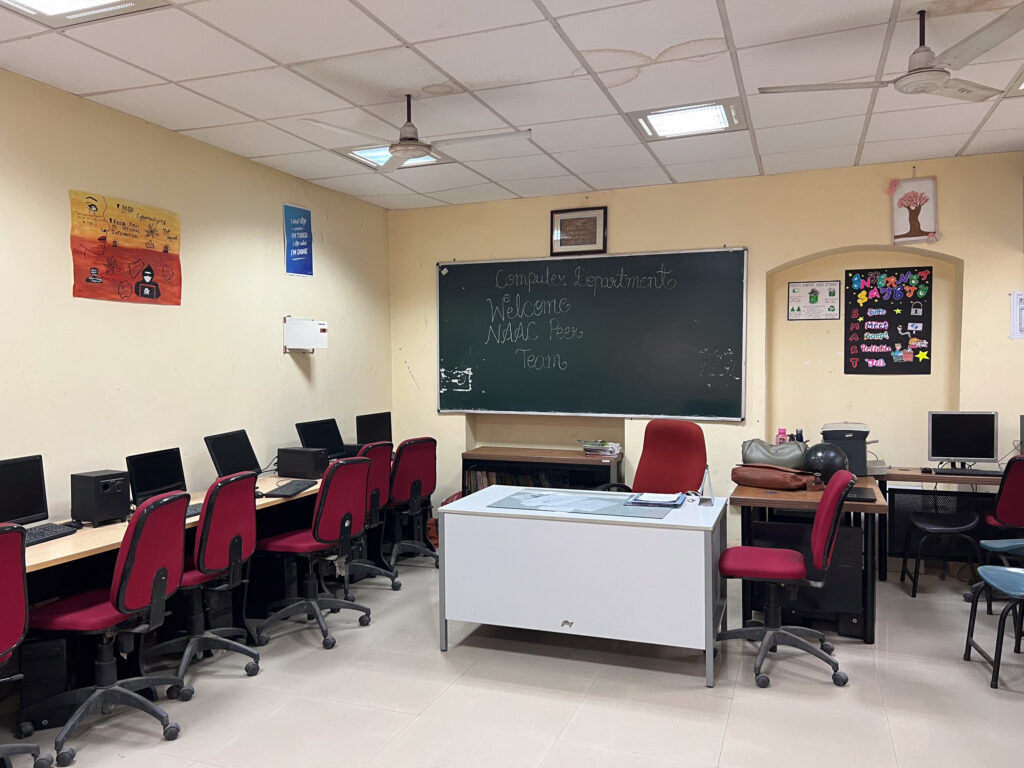
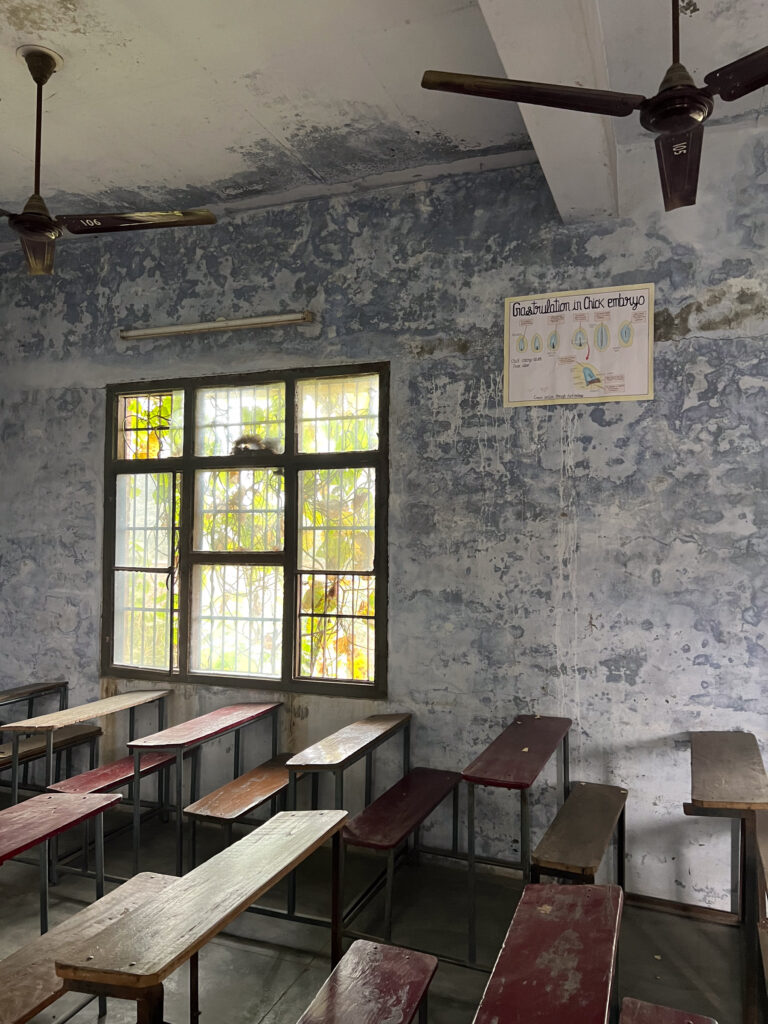
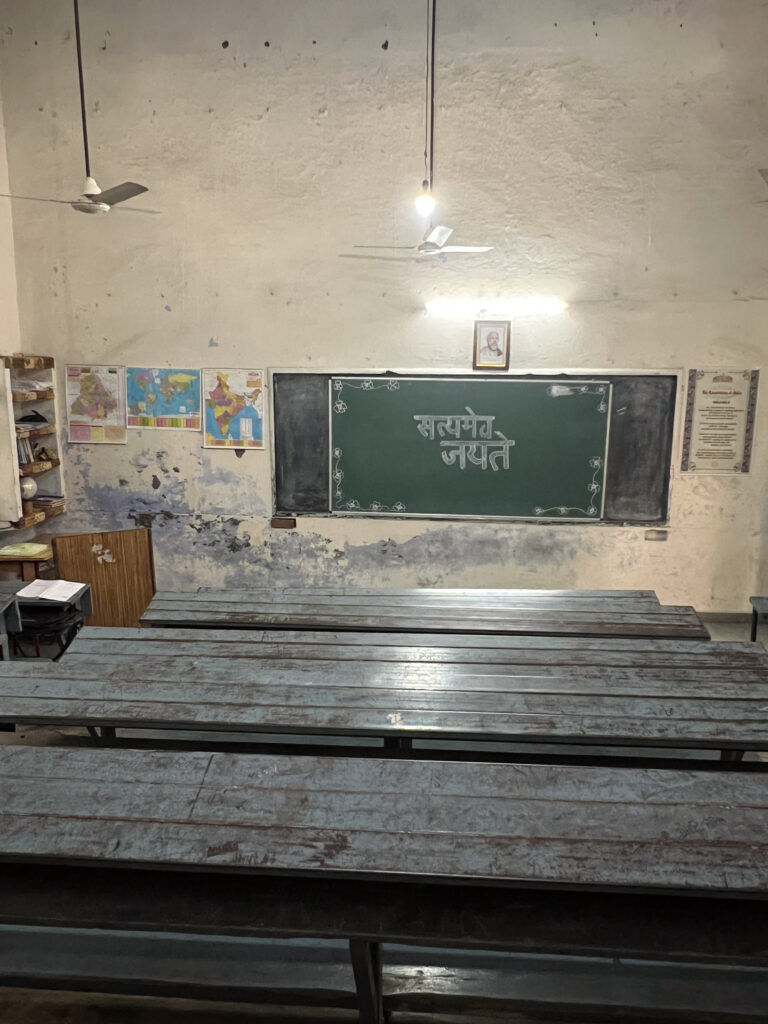
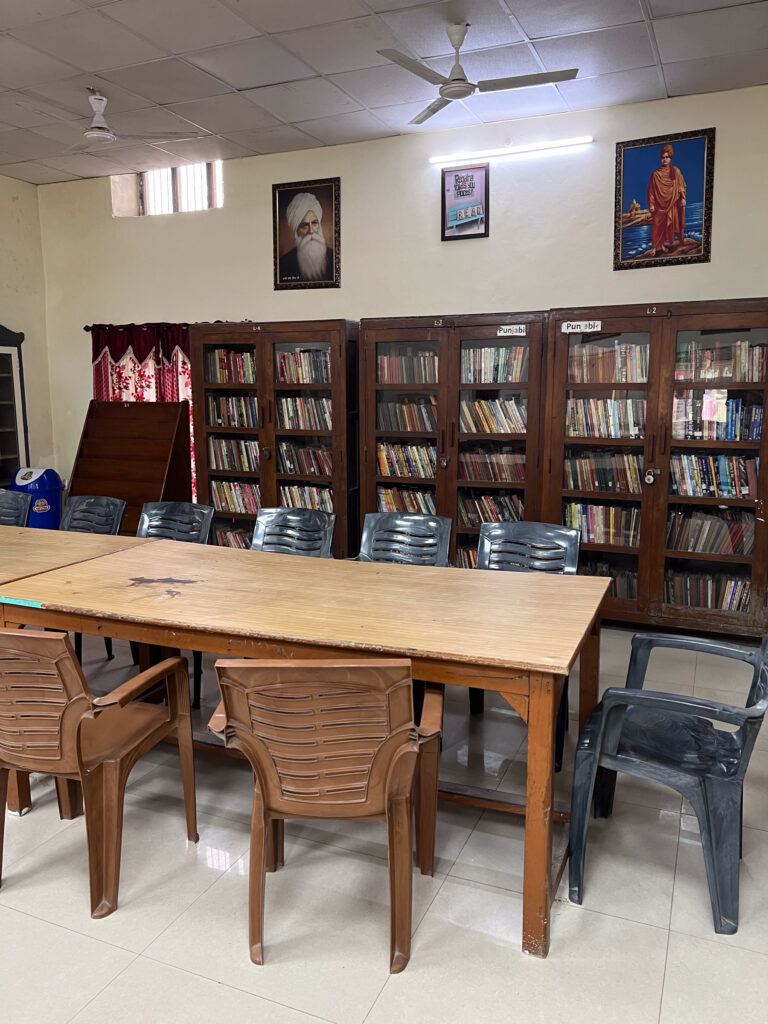
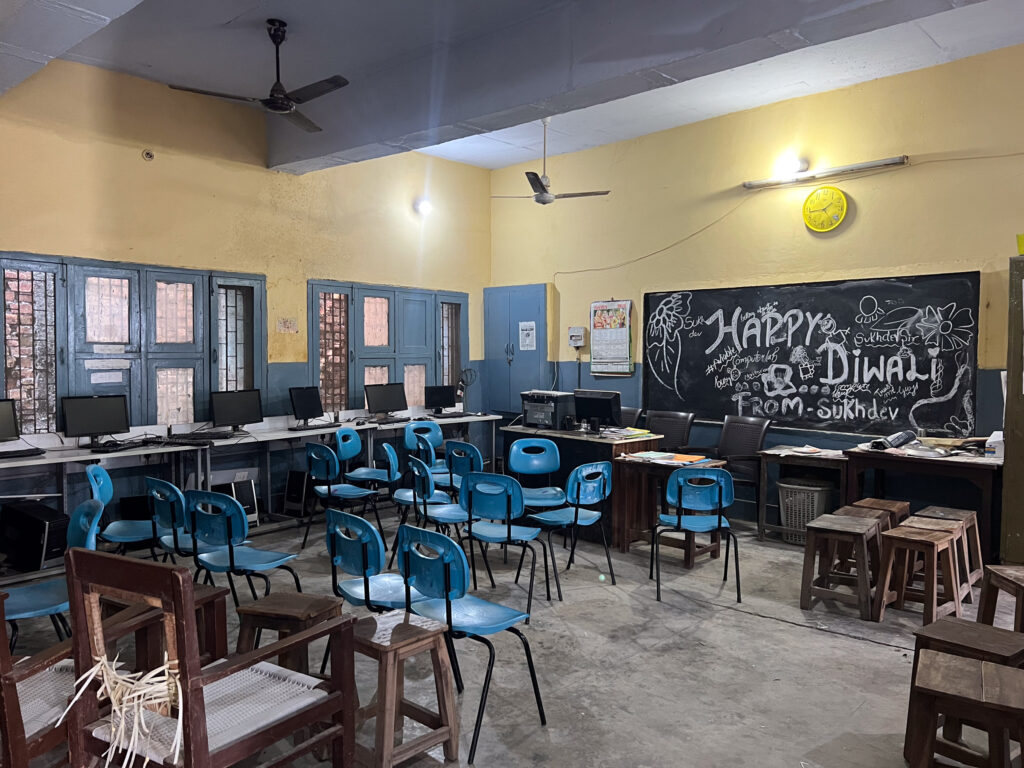
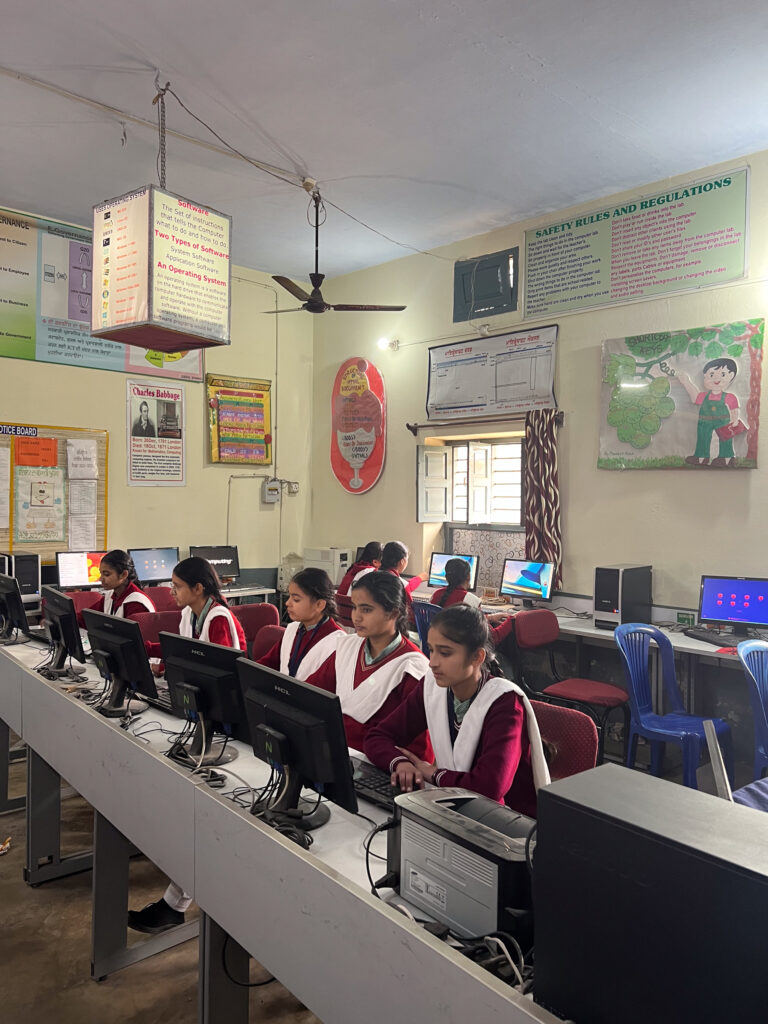
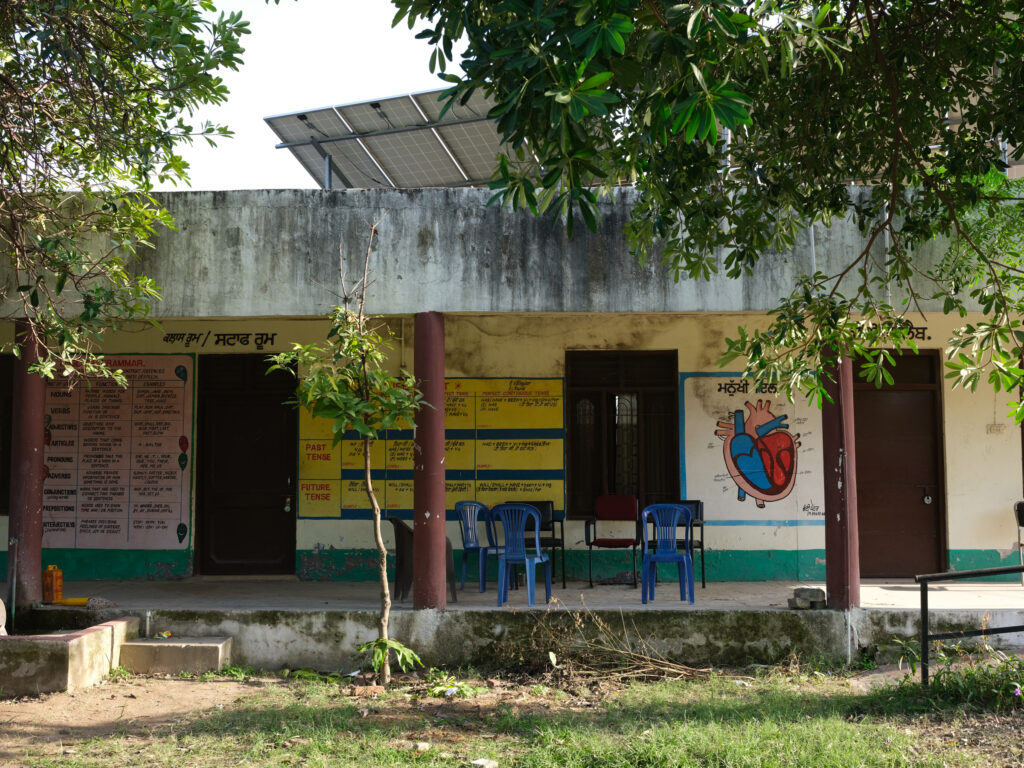
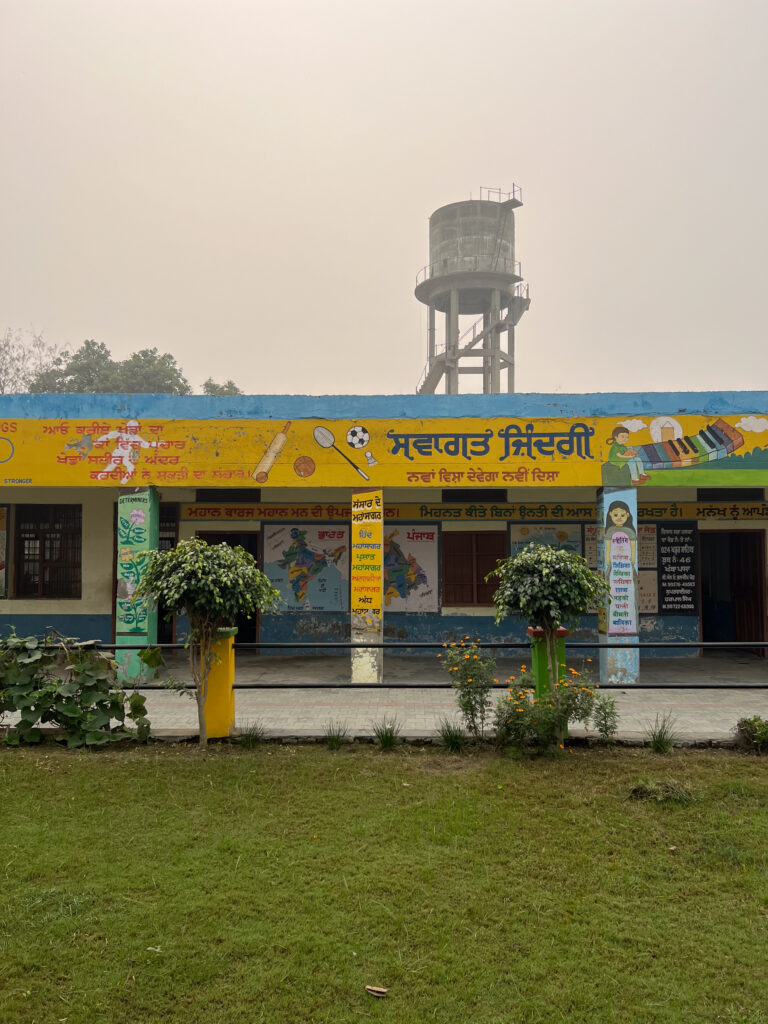
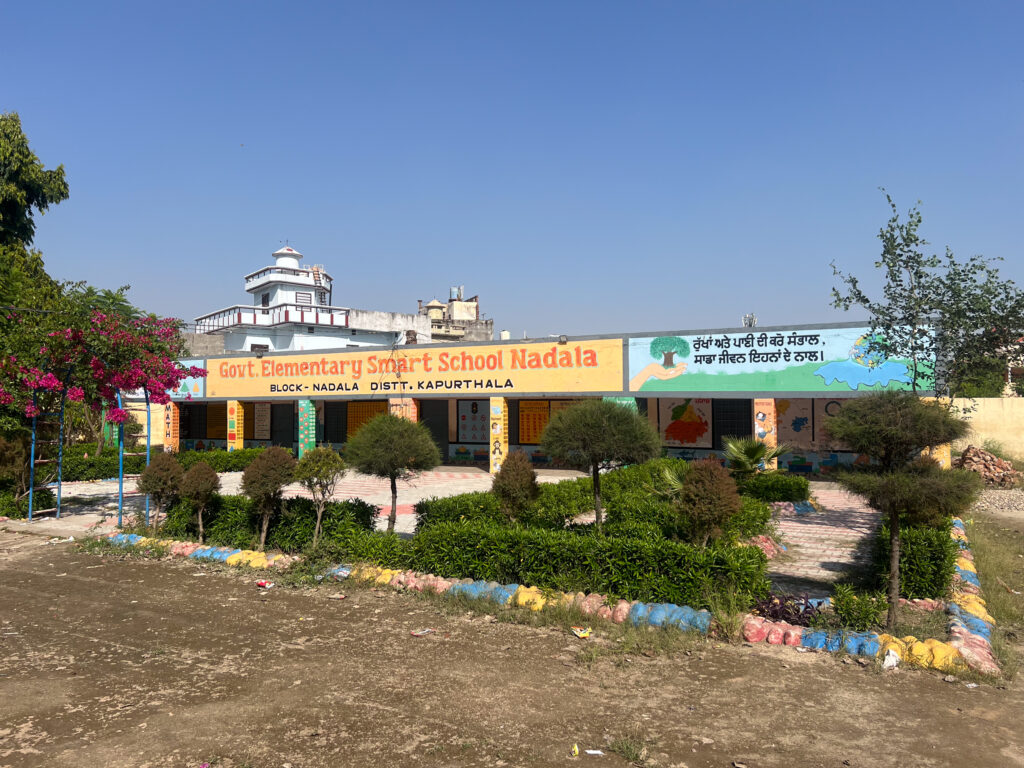
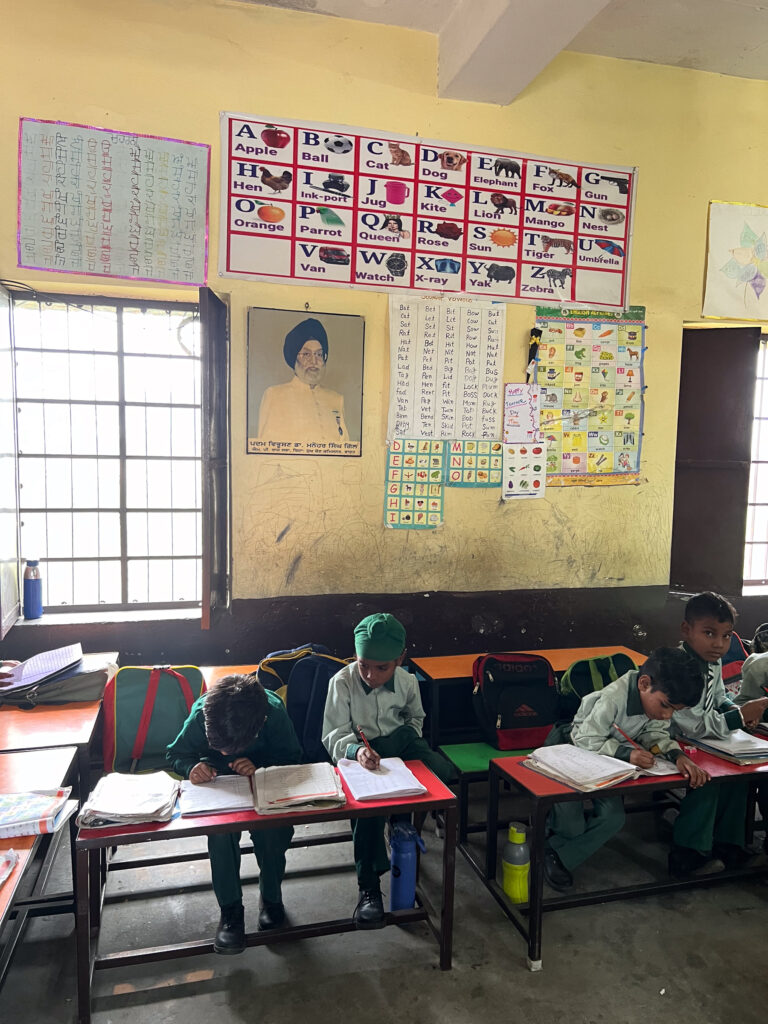
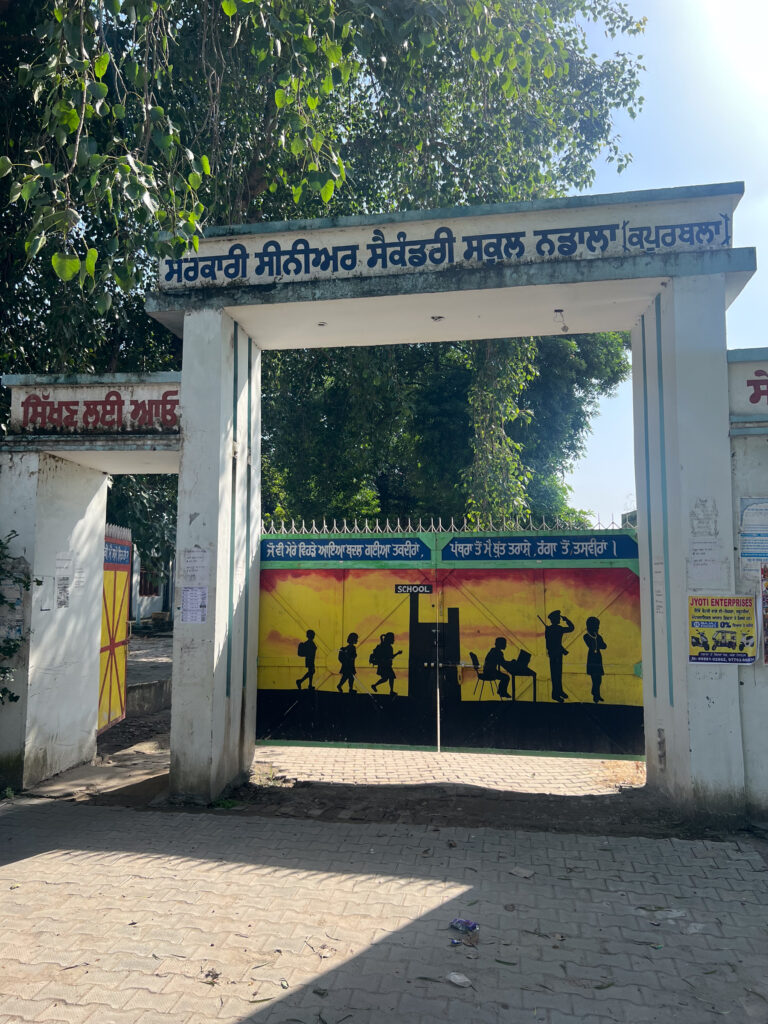
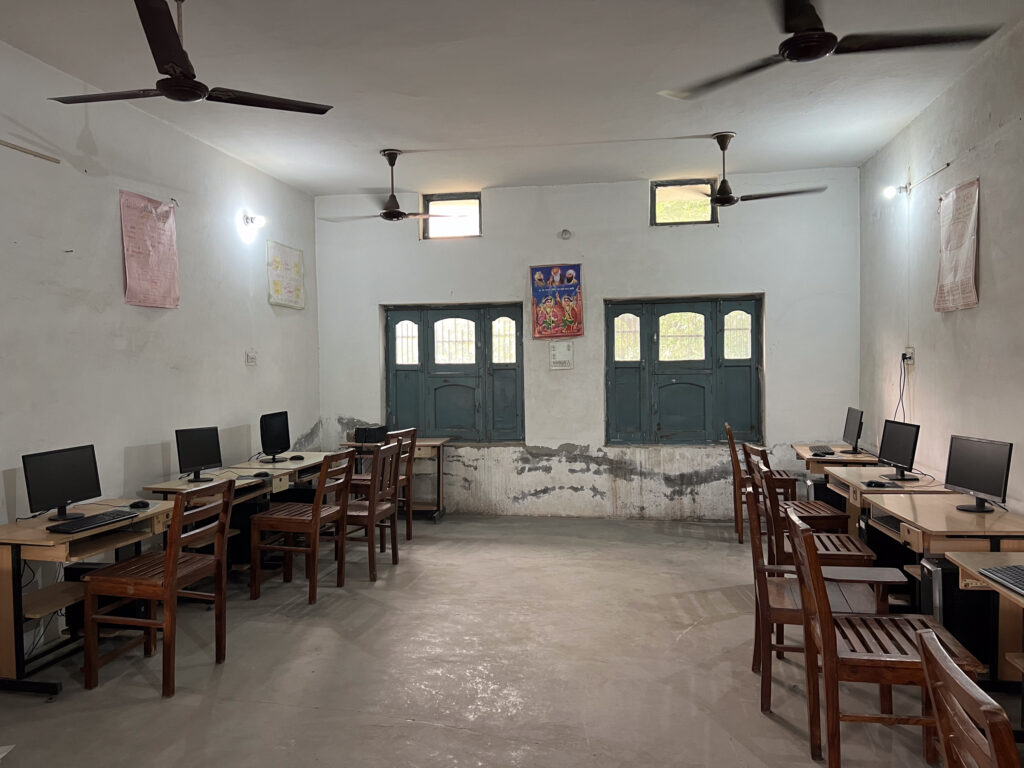
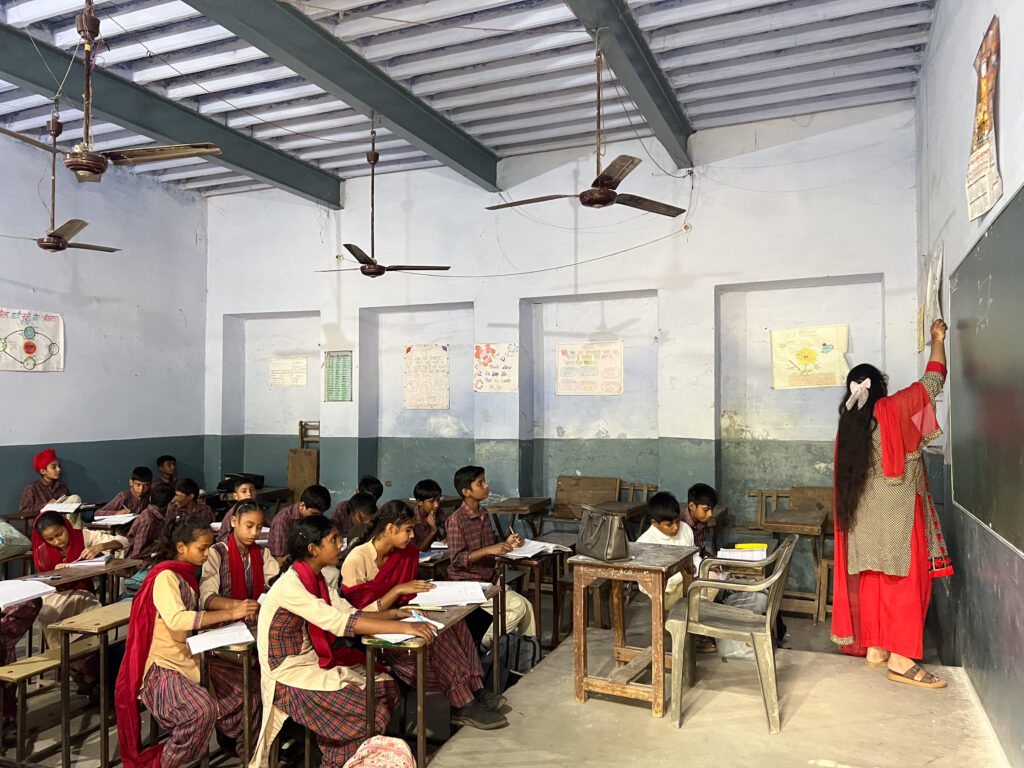
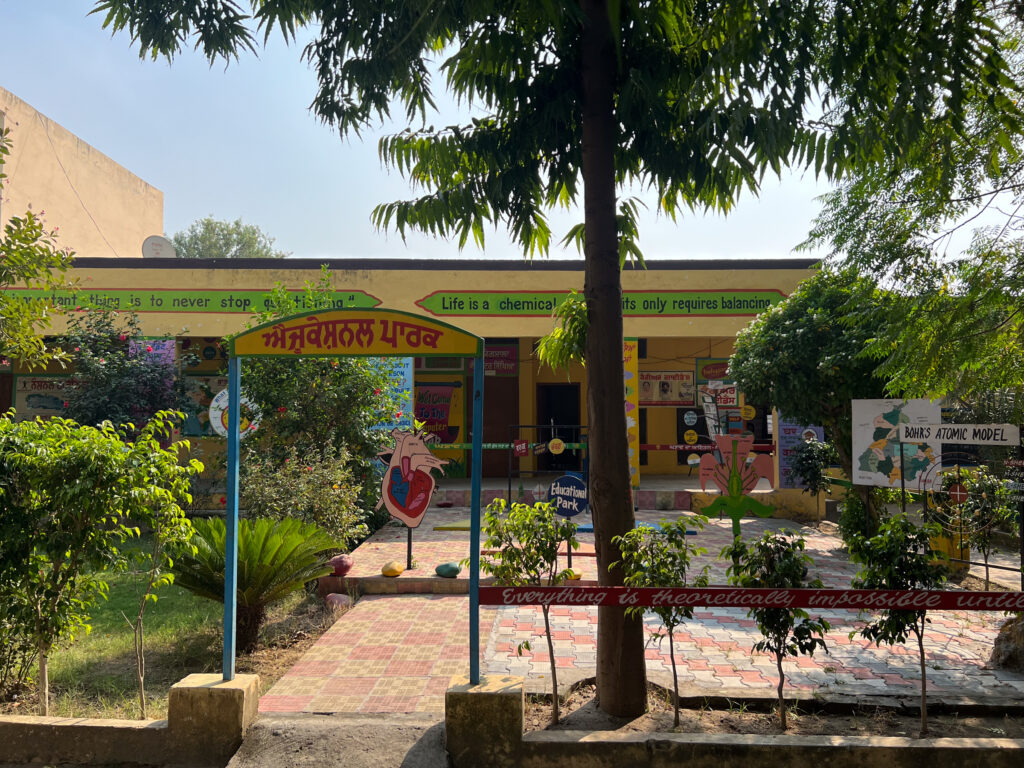
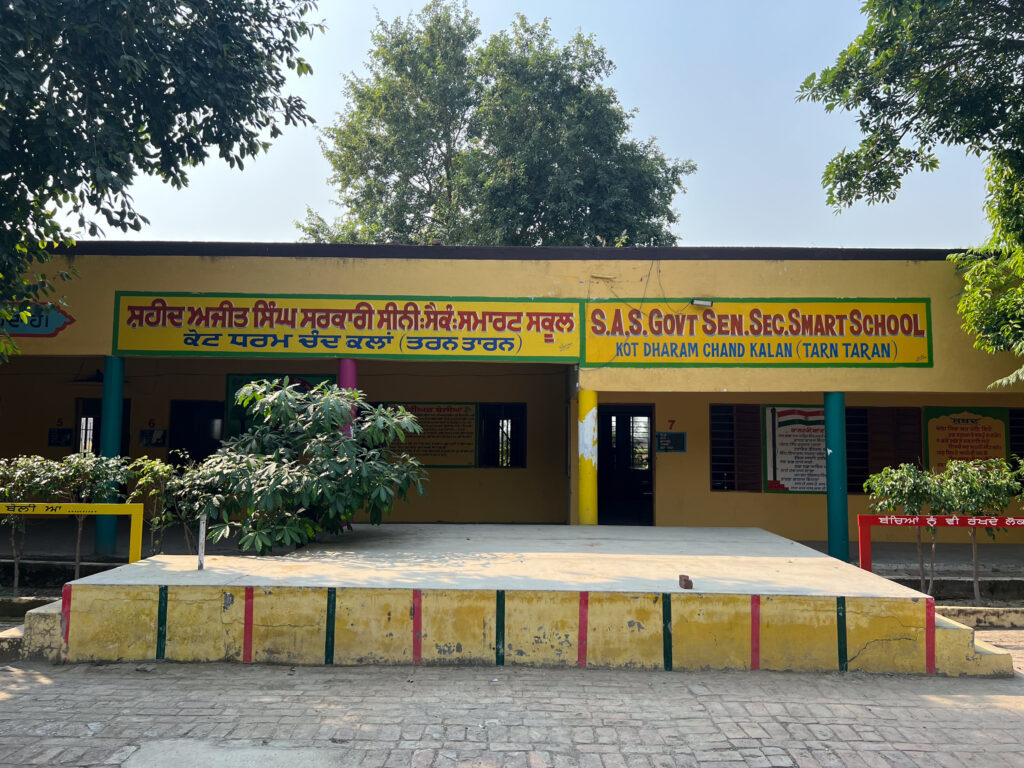
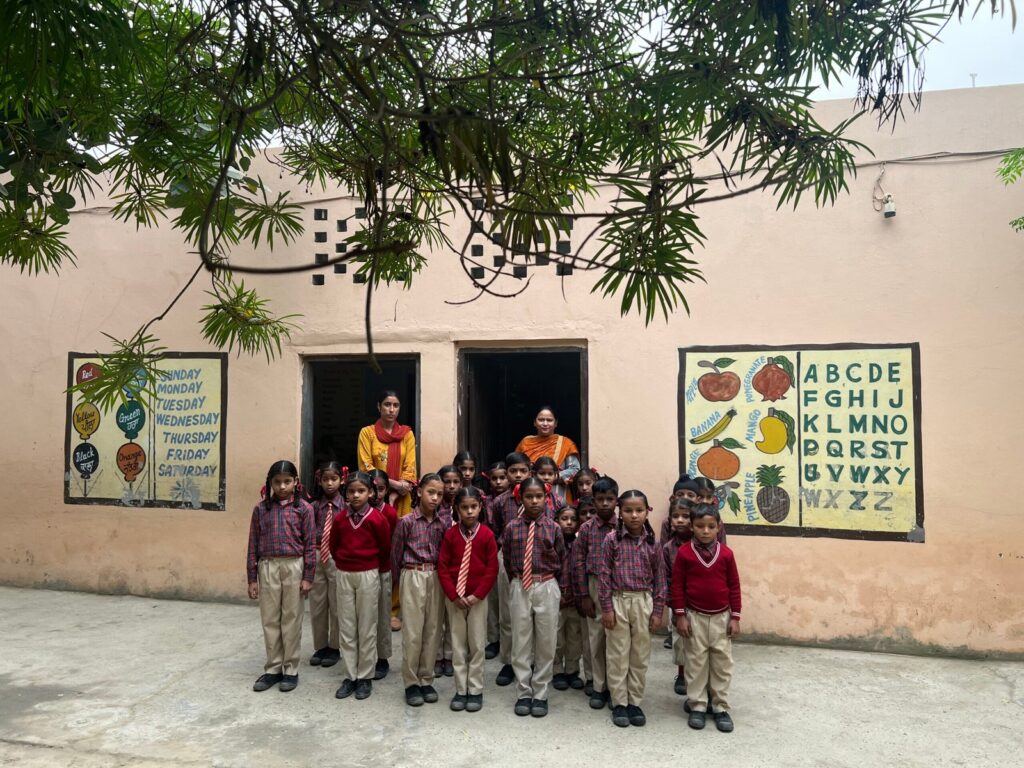
- General Education: Prioritizing future generations, funds built classrooms, labs, computer/vocational centers, and sewing/community centers. Major support included ₹2.2 crore for Sri Guru Arjan Dev Govt. College, Tarn Taran, and grants for Guru Nanak Dev University, Amritsar.
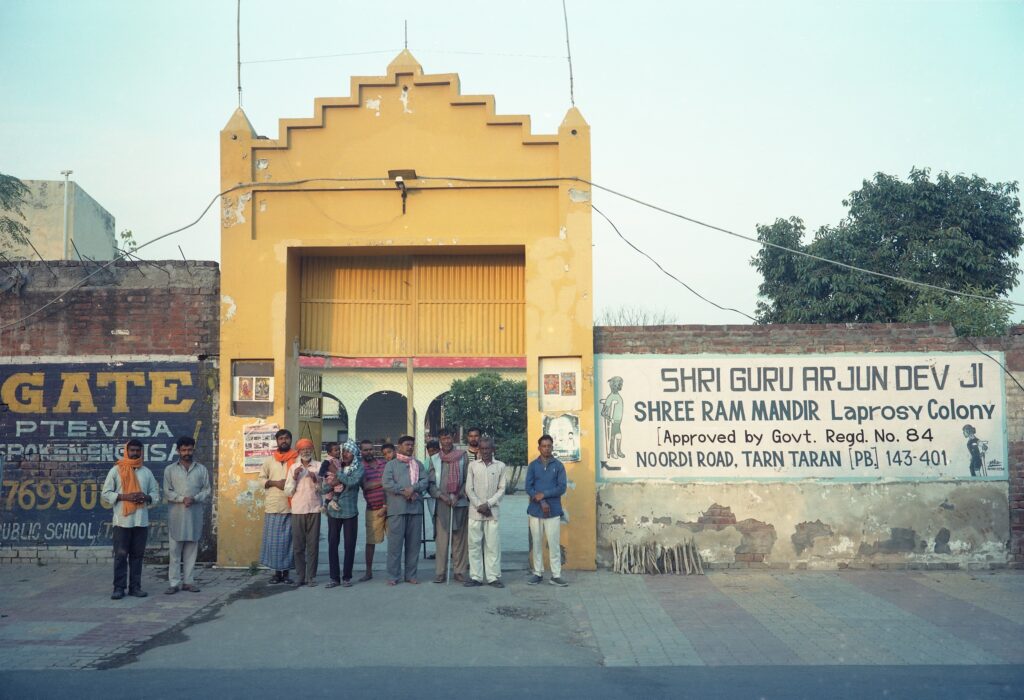
- Dignity and Inclusion: Funds built SC Dharamshalas/Chaupals to provide essential, dignified spaces for Scheduled Caste communities and offered crucial aid to the Leprosy Colony in Tarn Taran.
- Social/Environmental Responsibility: He invested in cremation grounds and passionately advocated for LPG Crematoria—a pilot project in Punjab—noting that “An LPG cremation costs about a tenth of wood cremation,” saving poor families money while reducing pollution.
- Public Health: Treating substance abuse as a medical issue, he made strategic investments via MPLADS for establishing and upgrading Drug De-Addiction Centers in key locations like Tarn Taran, Kairon, and Moga.
The necessity of building dedicated facilities like girls’ hostels and sanitary, well-maintained bathrooms in schools and universities is a critical factor in enhancing girls’ access to and retention in educational institutions, particularly in rural and remote areas. The lack of secure residential options (hostels) and adequate sanitation often forces female students to drop out, especially upon reaching adolescence, thereby truncating their educational journey and limiting their future potential.
Beyond basic infrastructure, a complete strategy for educational empowerment must include investing in dedicated, girls-only institutions such as women’s colleges and universities. In the Indian context, the presence of single-sex educational bodies often creates a more secure, culturally comfortable, and empowering learning environment that encourages greater enrollment and participation. These dedicated institutions address community concerns about safety and provide specialized academic support, leading to better outcomes and higher rates of graduation for female students.
During his tenure as a Member of Parliament (Rajya Sabha), Dr. Gill demonstrated his commitment to improving girls’ education by utilizing his MPLADS (Members of Parliament Local Area Development Scheme) funds. At the inauguration of the newly built Dr. Amrita Pritam Girls Hostel at Punjab Agricultural University, for which his donation of ₹60 lakh was instrumental, Dr. Gill highlighted the profound impact of this investment, stating:
“When you educate a girl, you educate an entire generation.”
He also applauded the growing enrollment of female students in agricultural courses and urged them to use their education to help farming families. His commitment underscored the national importance of providing the necessary physical infrastructure—hostels, facilities, and dedicated institutions—to transform these words into reality, ensuring girls can pursue and complete their education with security and dignity.
Some other institutions which received significant investments from his MPLADs funds through his recommendation are:
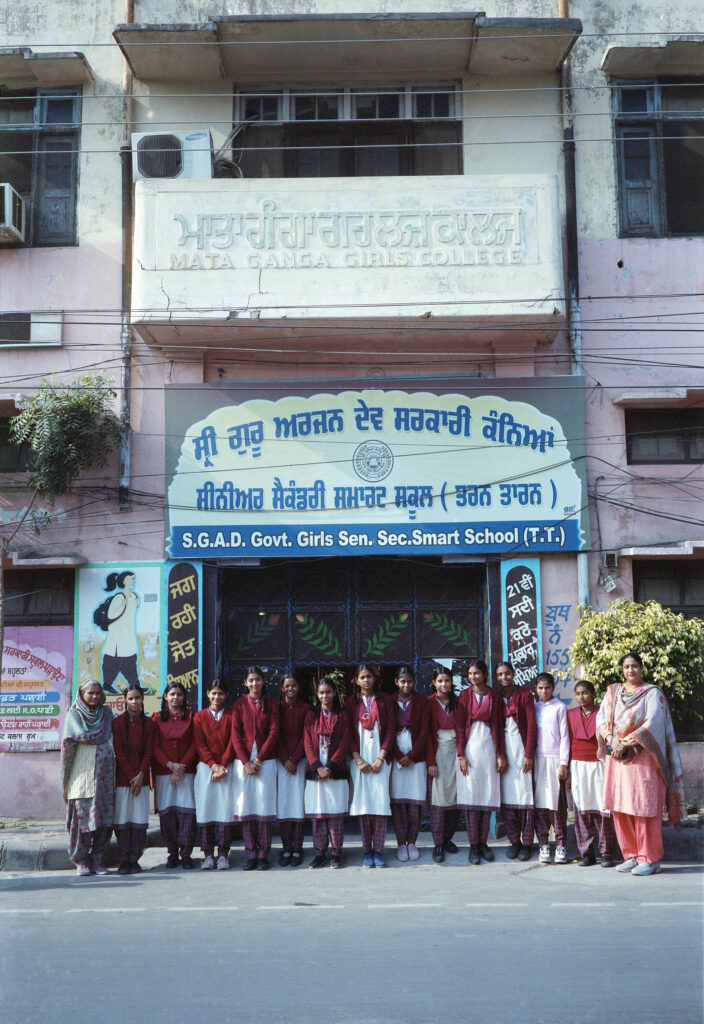
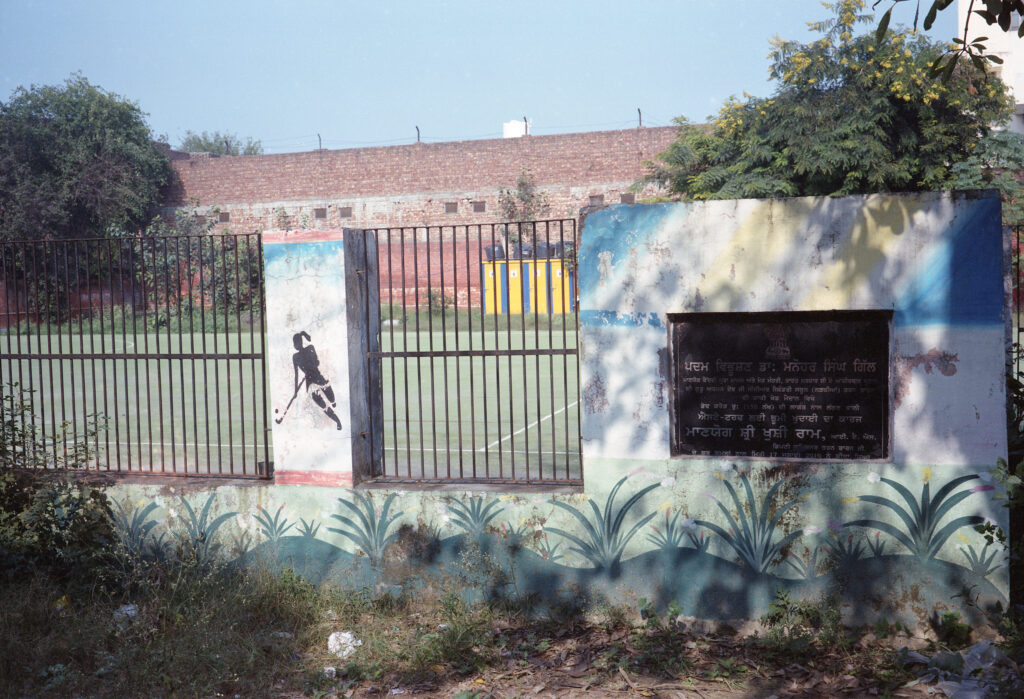
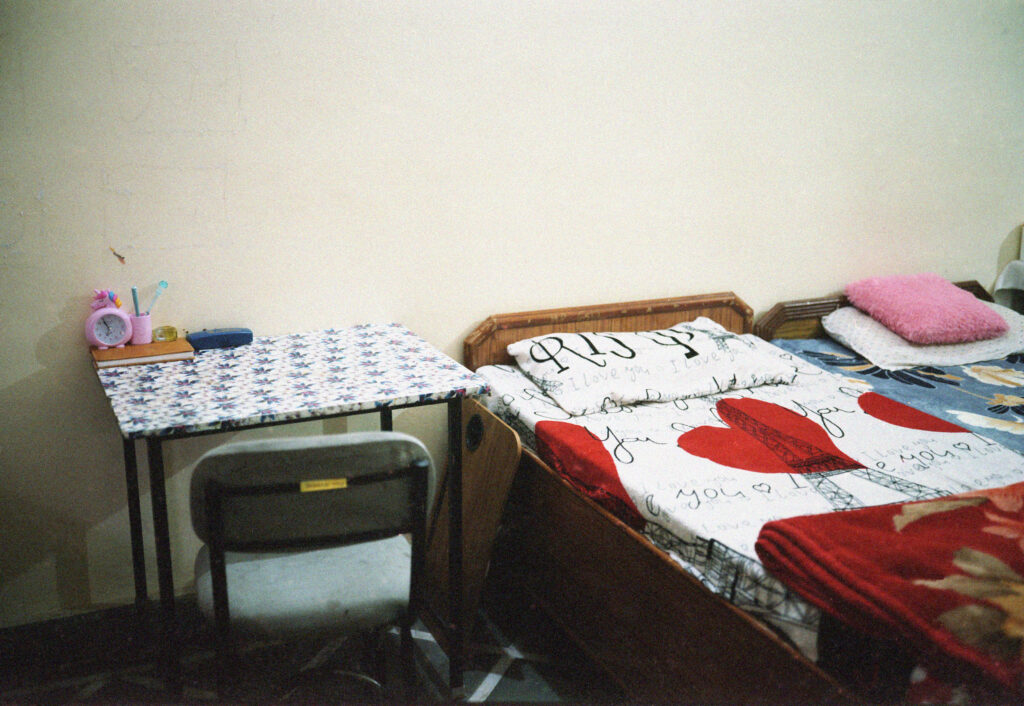
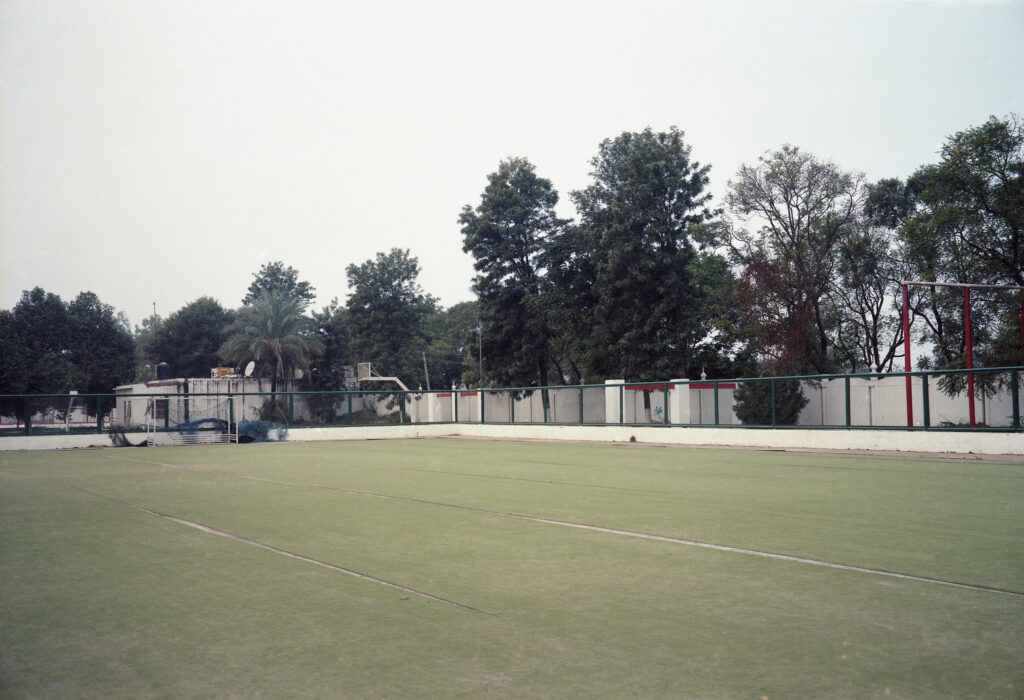
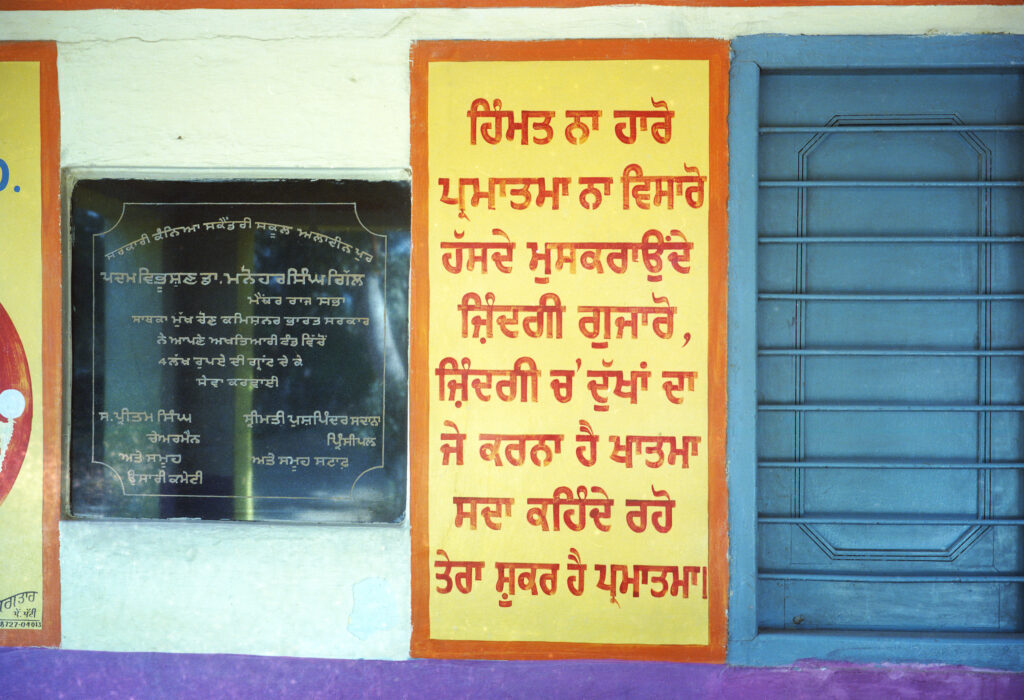
- SGAD GSSS Girls, Tarn Taran: which received ₹25 lakh in 2004, ₹27.55 lakh in 2005, ₹20 lakh in 2008 and ₹21 lakh in 2009 for the construction of its girl’s hostel. A 2nd story was added to the girl’s hostel, for which funds worth ₹22 lakh were released in 2008 and later the institution received an additional ₹12 lakh in 2009 for further construction of Blocks A, B and C of the girl’s hostel. The school also received ₹4 lakh in 2004 for the construction of its boundary wall and laying of an astroturf, ₹5 lakh in 2007 for the construction of the hostel’s boundary wall and ₹1 lakh in 2009 for the laying of a tubewell. It hence received a total of ₹137.55 lakh.
- Mata Ganga Girls College, Tarn Taran: received ₹20 lakh for the construction of bathrooms and classrooms in 2016.
- Guru Angad Dev Veterinary University, Ludhiana: ₹35 lakh in 2016 for the construction of a Girl’s Hostel.
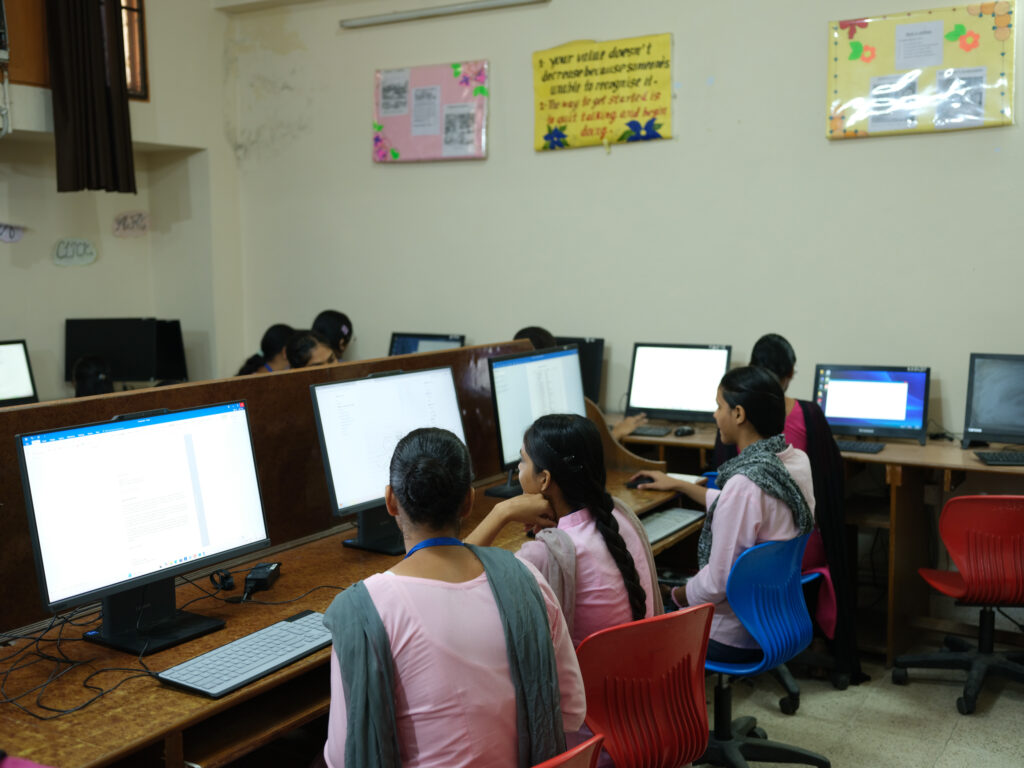
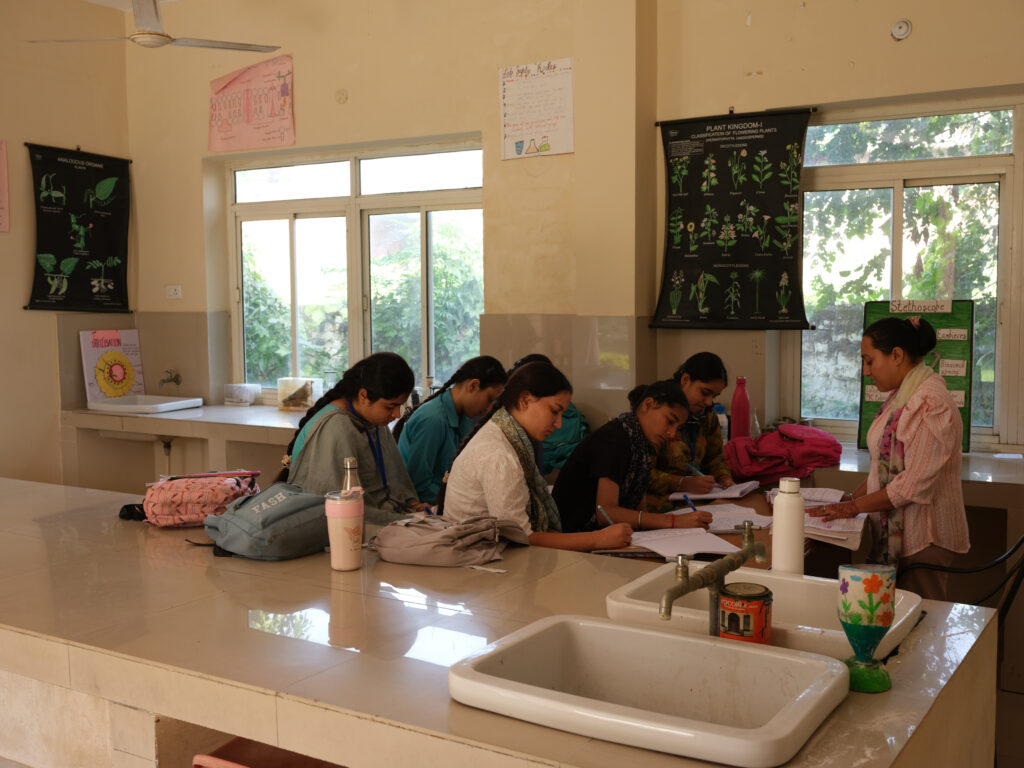
- Pandit Mohan Lal SD College (Girls) Fatehgarh Churian – received ₹4 lakh for the construction of Science Laboratory in 2011 and ₹3 lakh in 2008 for purchase of computers.
- Master Tara Singh Memorial College, Ludhiana: received ₹4 lakh for purchase of computers in 2008.
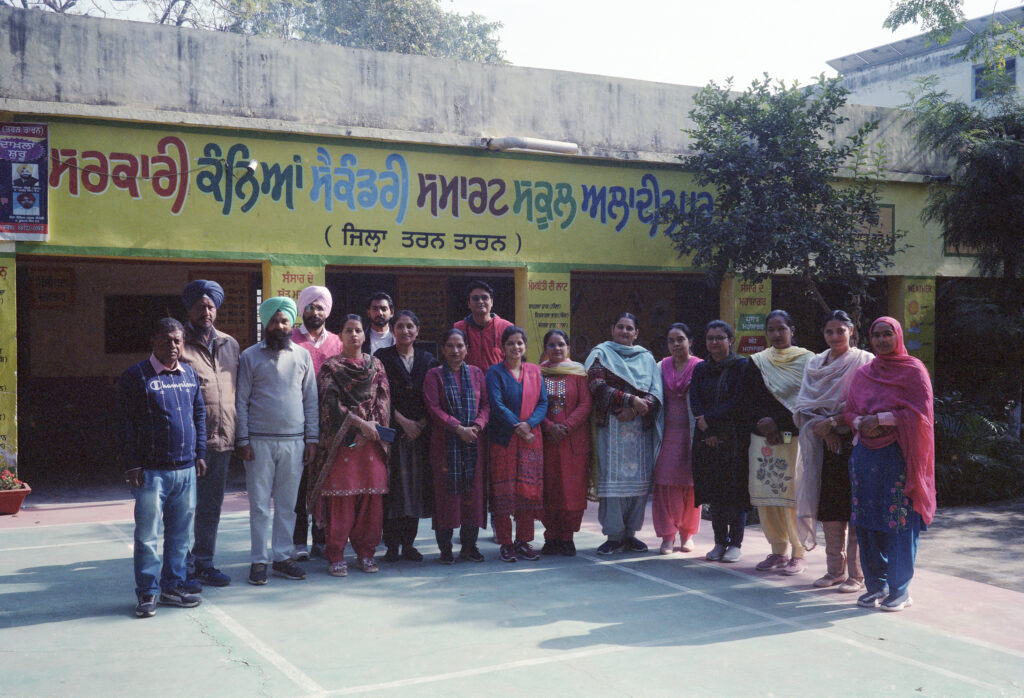
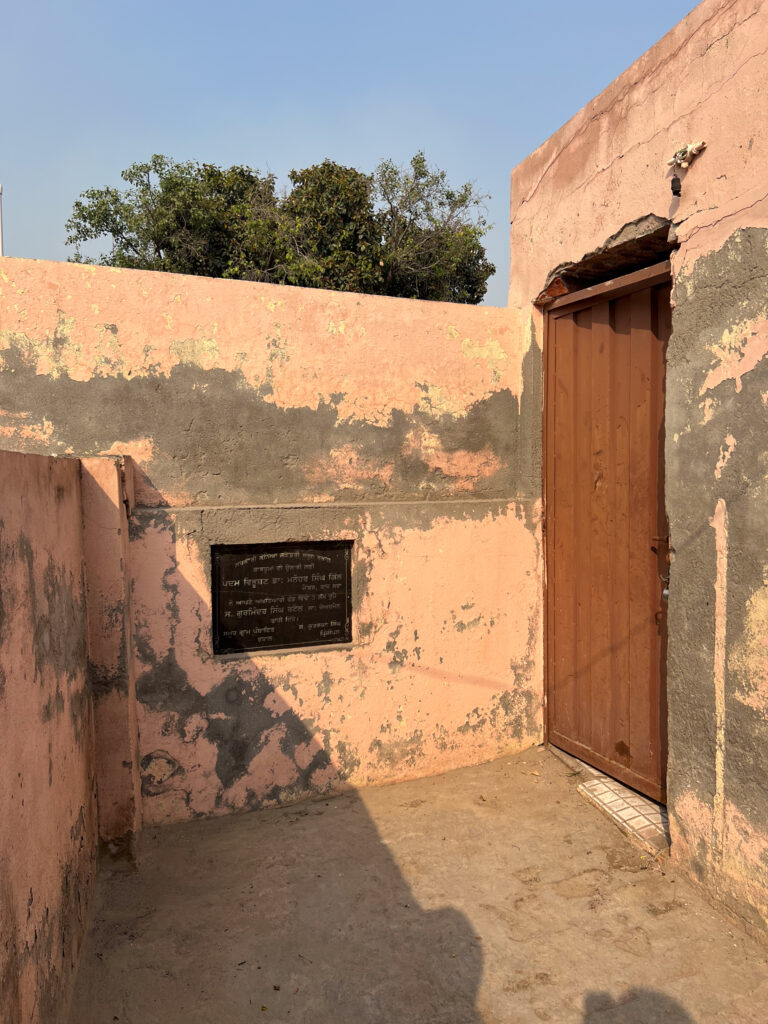
- G.S.S.S. (Girls) Aladinpur: received ₹10 lakh for construction of classrooms in 2012.
- Swami Gangagiri Janta Girls, Ludhiana: received ₹3 lakh for the purchase of computers in 2011.
- SDK Khalsa Sen. Sec. School, Tughalwala, Gurdaspur: received ₹5 lakh in 2011 for the construction of its girls’ hostel.
- National College For Women, Ludhiana: received ₹6 lakh in 2011 for the construction of classrooms and girls common rooms.
- Khalsa College For Women, Sidhwan Khurd Ludhiana: received ₹5 lakh in 2011 for the purchase of computers.
- G.H.G. Harparkash College of Education for Women Sidhwan Khurd: received ₹5 lakh in 2011 for the purchase of computers.
- SGAD College Khadur Sahib: received ₹10 lakh in 2009 and ₹20 lakh in 2008 for the construction of its girls’ hostel.
- It can also be noted in the next section that co-ed institutions like Sri Guru Arjan Dev Government College, Tarn Taran and Satish Chander Dhawan Govt. College, Ludhiana received significant funds for the building of facilities for girls on their premises.
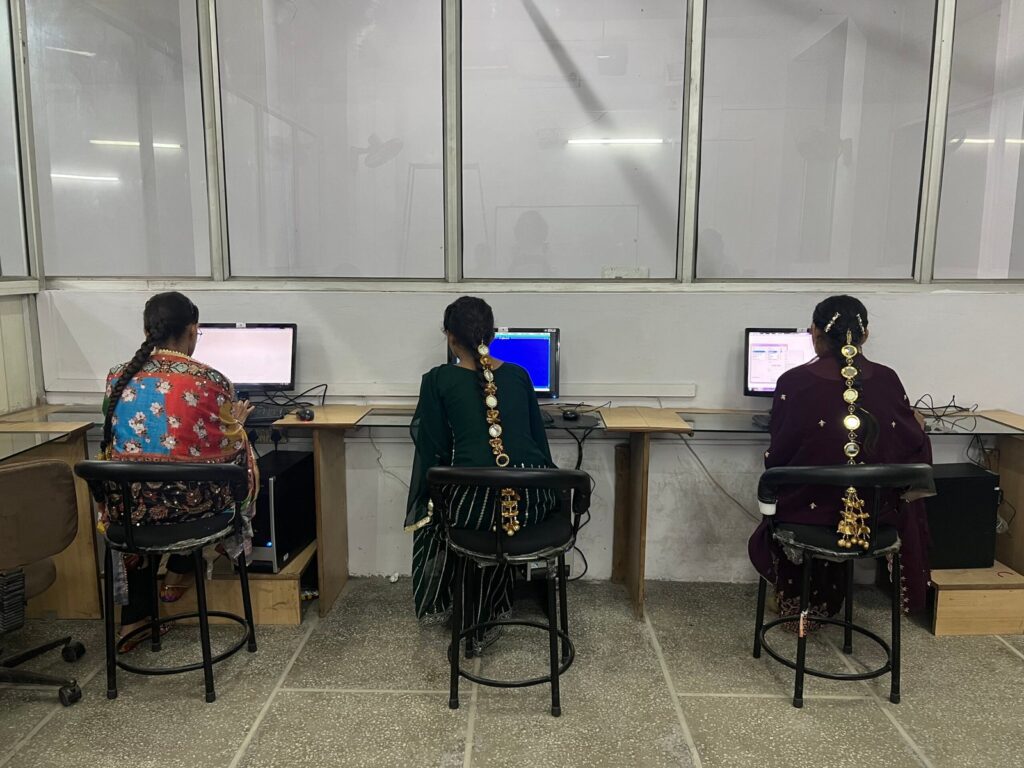
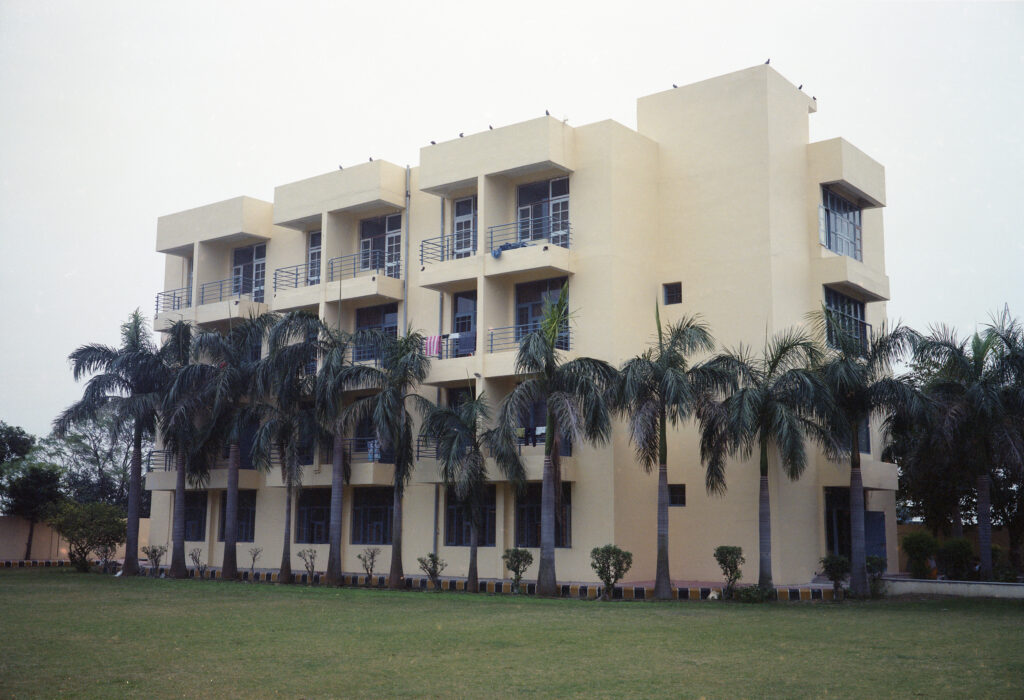
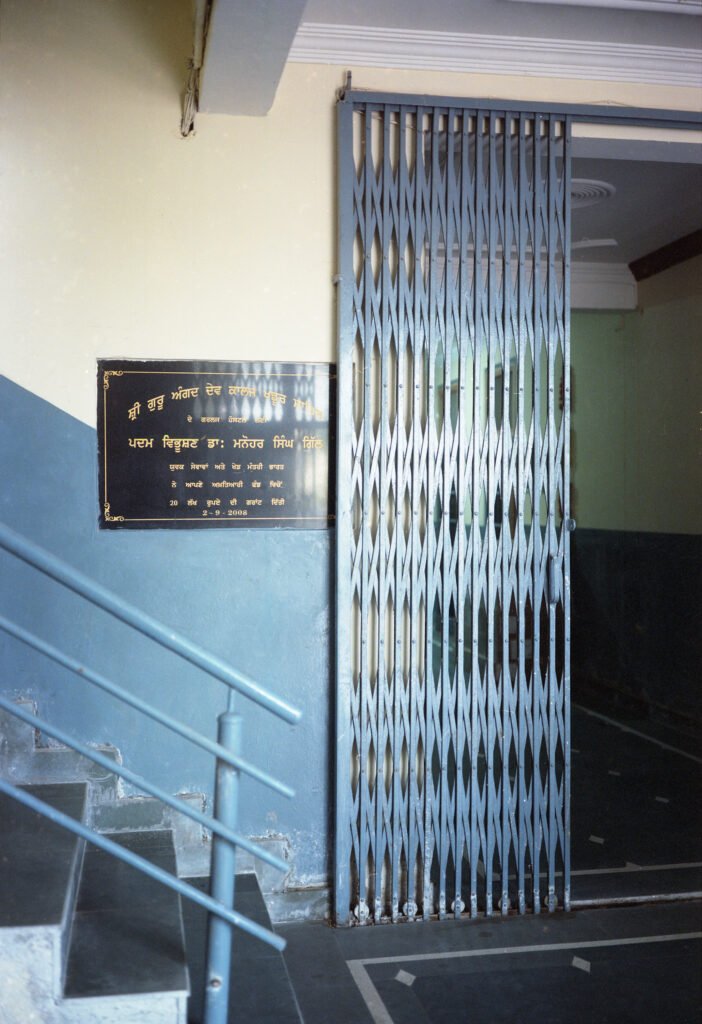
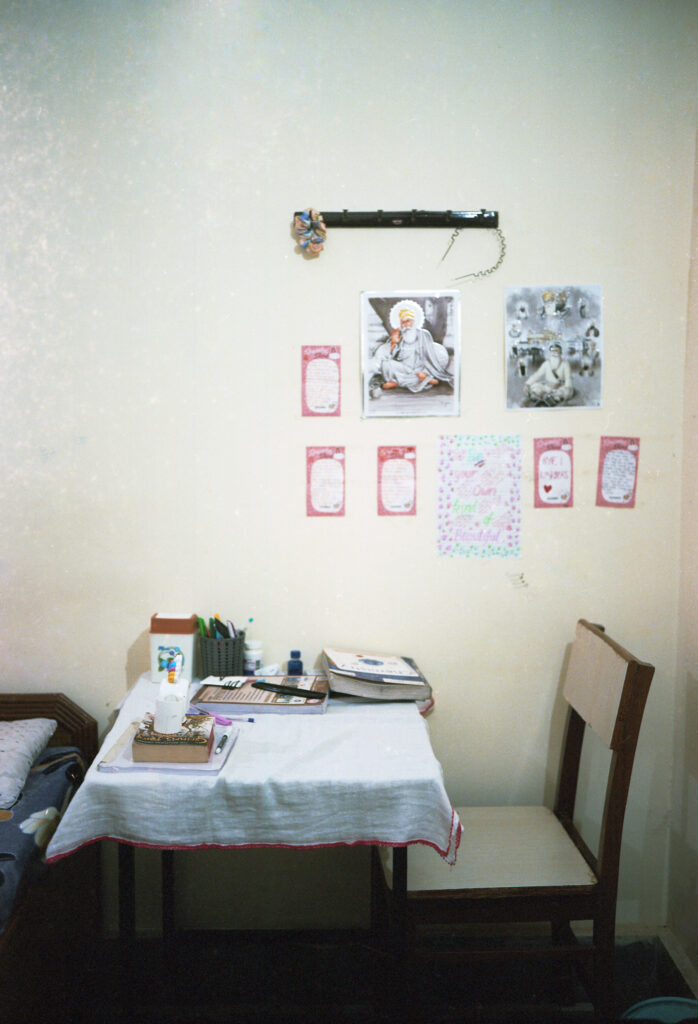
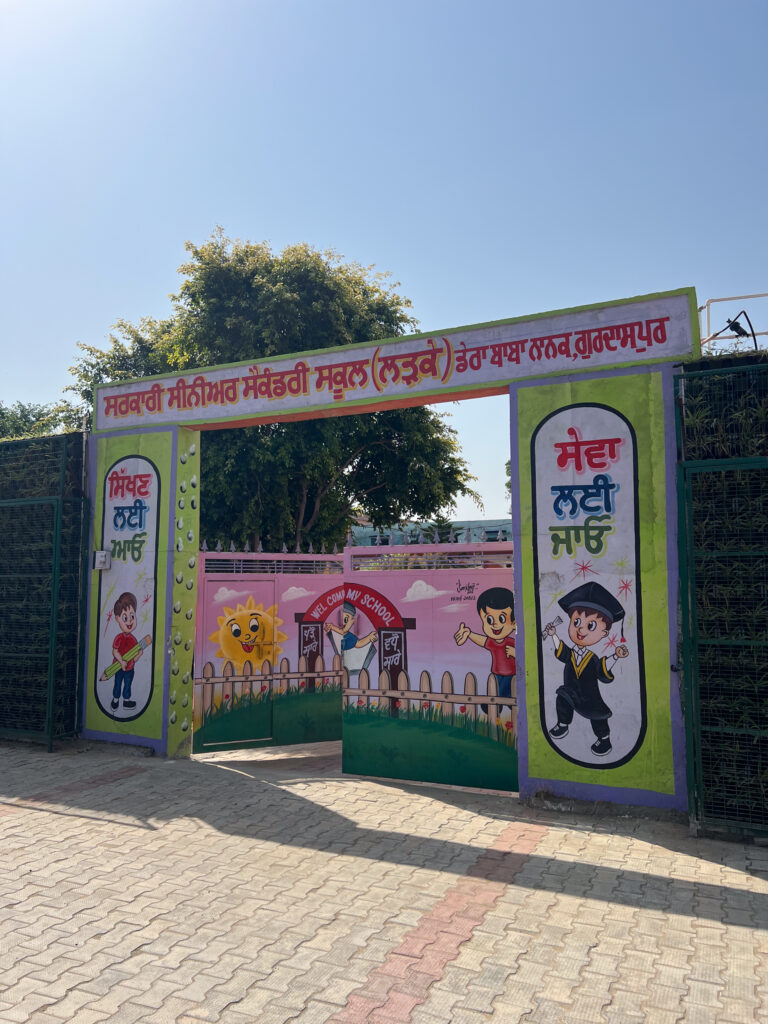
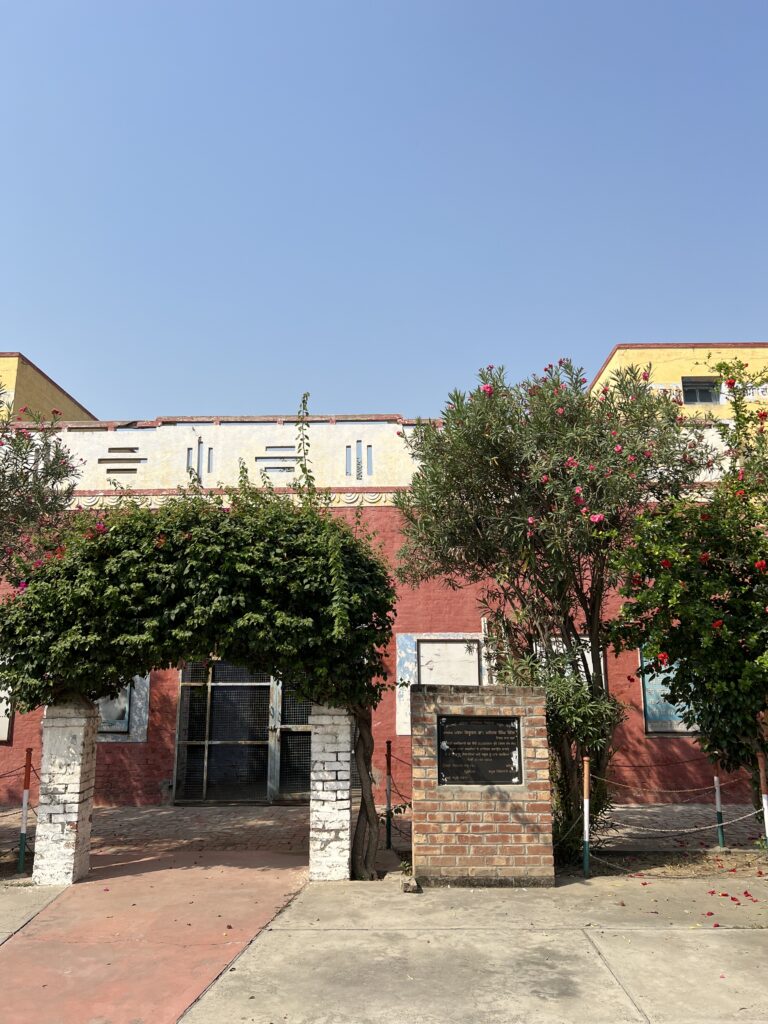
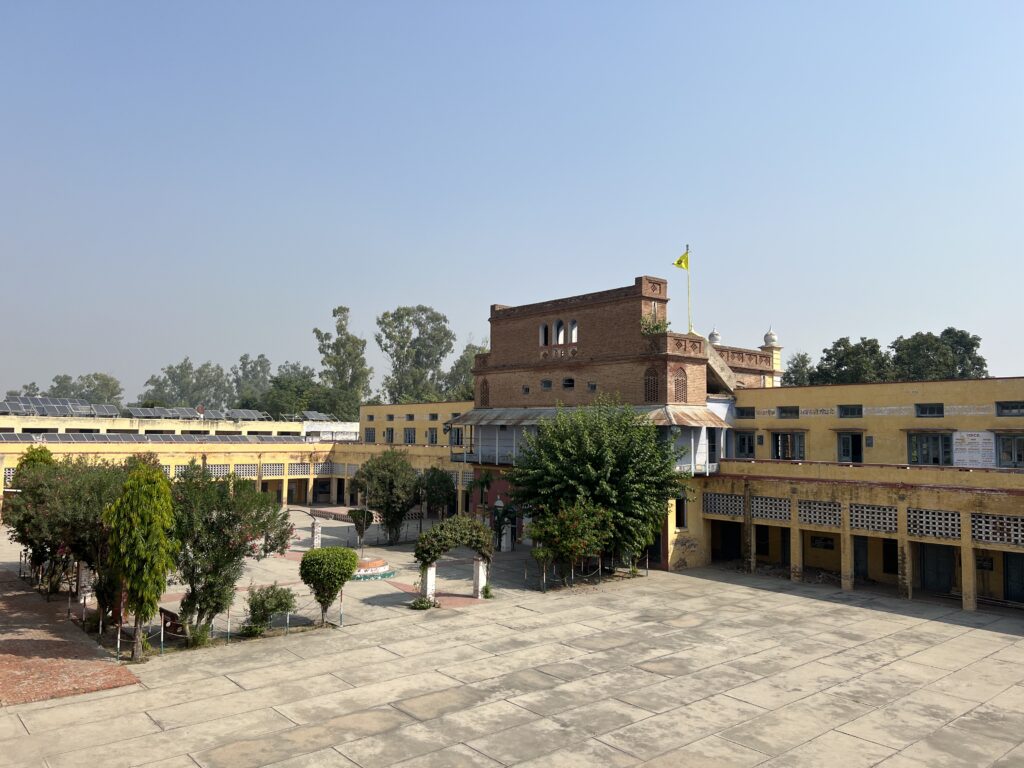
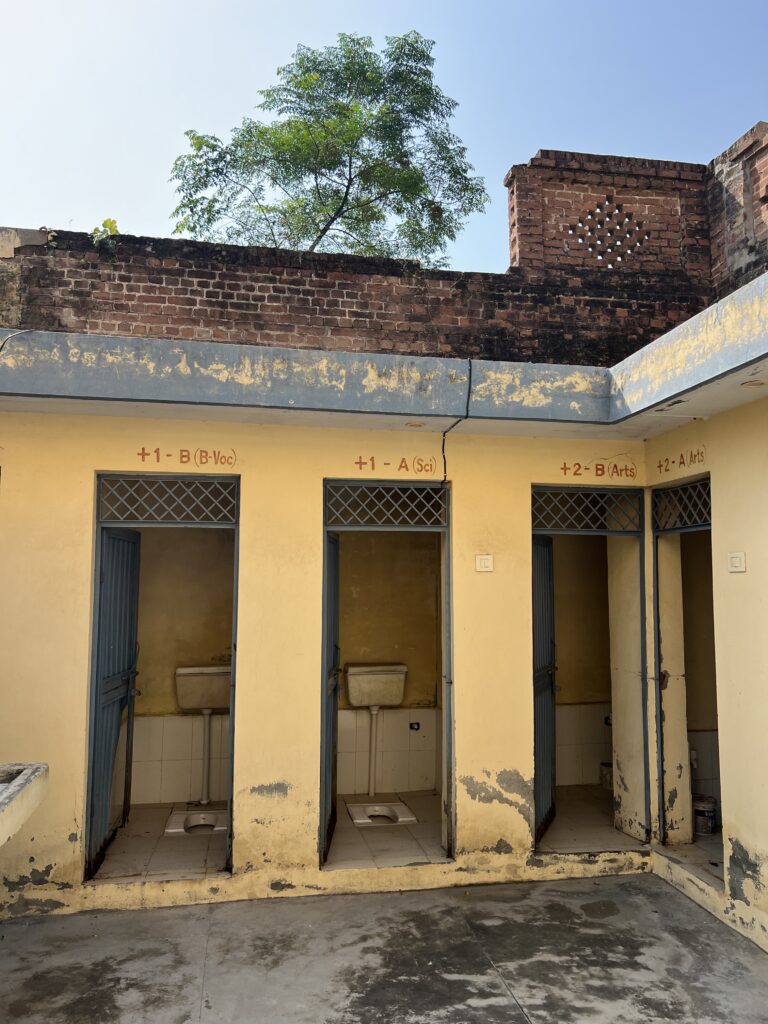
Dr. Manohar Singh Gill was a vocal champion of modern education, asserting its paramount importance as a critical pillar of national development. His philosophy was clearly articulated in 1997:
“It is good that religious places should be built, but the real concern today is of building educational institutions with modern technical education.”
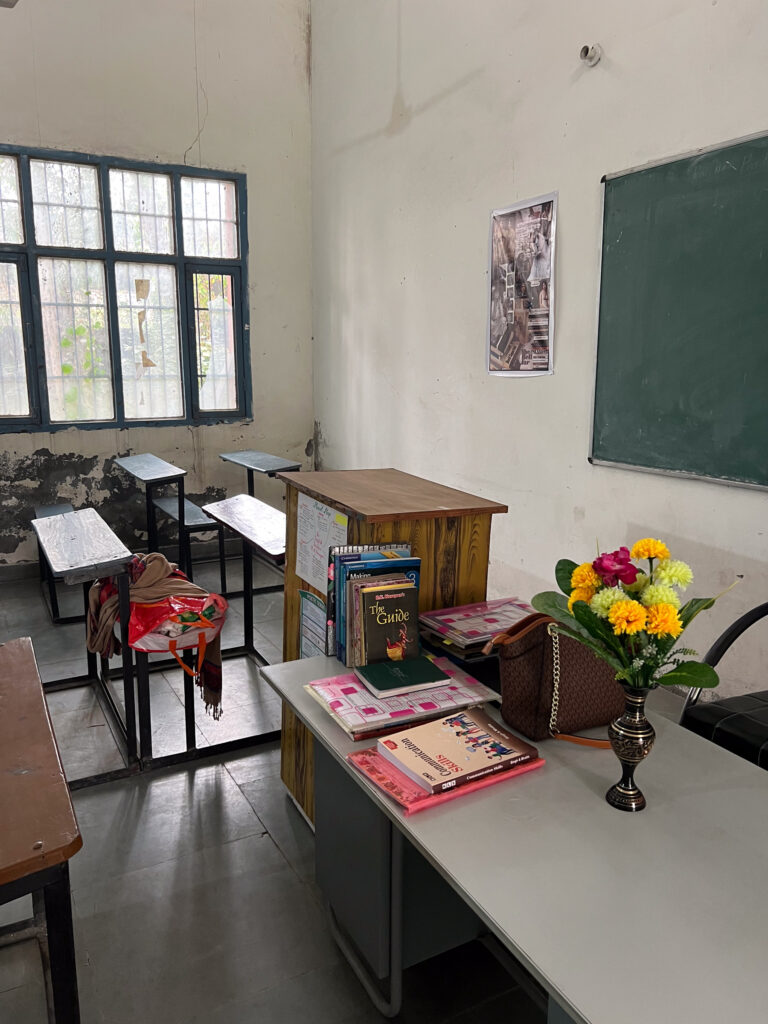
This strong conviction translated directly into the systematic and heavy allocation of his MPLADS funds to educational facilities across rural and urban Punjab, making the creation of robust, modern learning environments a top priority throughout his tenure as a Member of Parliament.
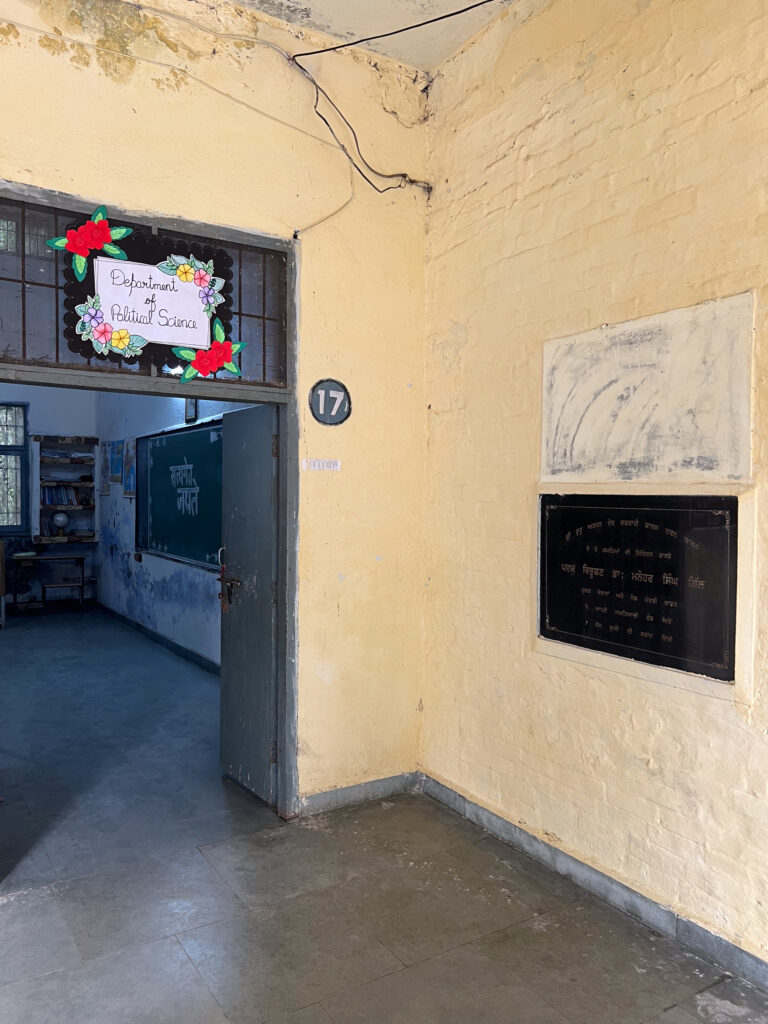
- Comprehensive College Overhaul (Sri Guru Arjan Dev Government College, Tarn Taran): This college was a major focus, receiving grants totaling over ₹2.2 Crores. The funding covered nearly every aspect of the institution’s needs, including:
- Academic Infrastructure: ₹10 lakh in 2004, ₹5 lakh in 2008, ₹6 lakhs in 2015, and other amounts for new Classrooms and a Seminar Hall.
- Technical Facilities: ₹5 lakh for the construction of a Science Laboratory in 2007 and another ₹5 lakh for its extension in 2010. ₹5.5 lakh was used for the Purchase of Computers in 2007.
- Student Support: Construction of the Ranjit Hall (₹20 lakh across two years), Girls’ Bathrooms and Common Rooms (₹5 lakh in 2009), Boy’s Toilet Block (₹3 lakh in 2011), and a Sports Room (₹8 lakh in 2014). The sheer scale of this single investment demonstrates a complete commitment to transforming the college into a premier co-educational institution.
- University-Level Research and Infrastructure (Guru Nanak Dev University, Amritsar): Dr. Gill contributed to advanced academic research and student welfare, releasing:
- ₹25 lakh in 2005 for the construction of the Asian Study Centre, intended to boost academic research and international cooperation. The search results confirm he later inaugurated the extension of this very building, providing an additional ₹50 lakh for an academic block and the extension of the Asia House building.
- He also provided financial assistance for setting up the astro-turf in the hockey stadium, demonstrating a holistic approach that included sports infrastructure.
- Targeted College Expansion (Satish Chander Dhawan Govt. College, Ludhiana):
- A significant ₹82 lakh was dedicated to facilities for female students, including a Girl’s Common Room/Staff Room (₹10 lakh) and the Construction/Addition of a Girl’s Hostel (₹50 lakh in 2015 and ₹22 lakh in 2016). He also funded the Purchase of Computers (₹5 lakh in 2004).
- Rural College Upliftment: Other major colleges receiving substantial funds for construction and expansion included:
- Guru Gobind Singh Khalsa College, Sarhali: Funds for Classrooms (₹15 lakh), Gymnasium (₹7 lakh), and Admin Block (₹5 lakh).
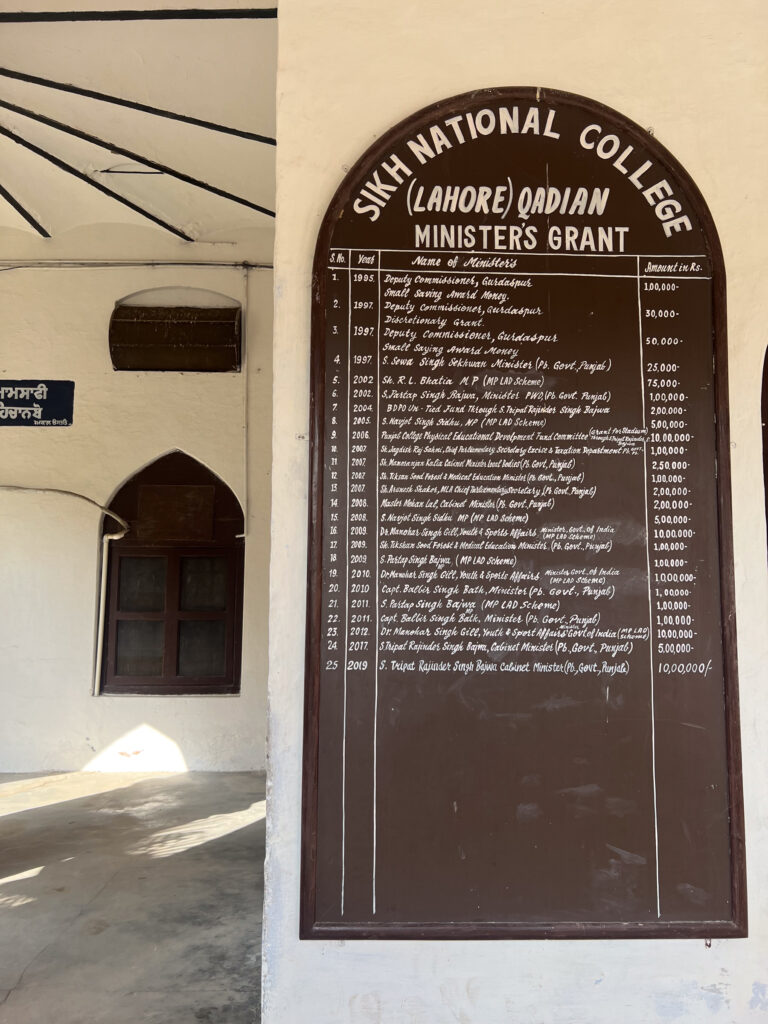
- Sikh National College Qadian: A total of ₹30 lakh directed towards the construction of Classrooms and a Seminar Hall.
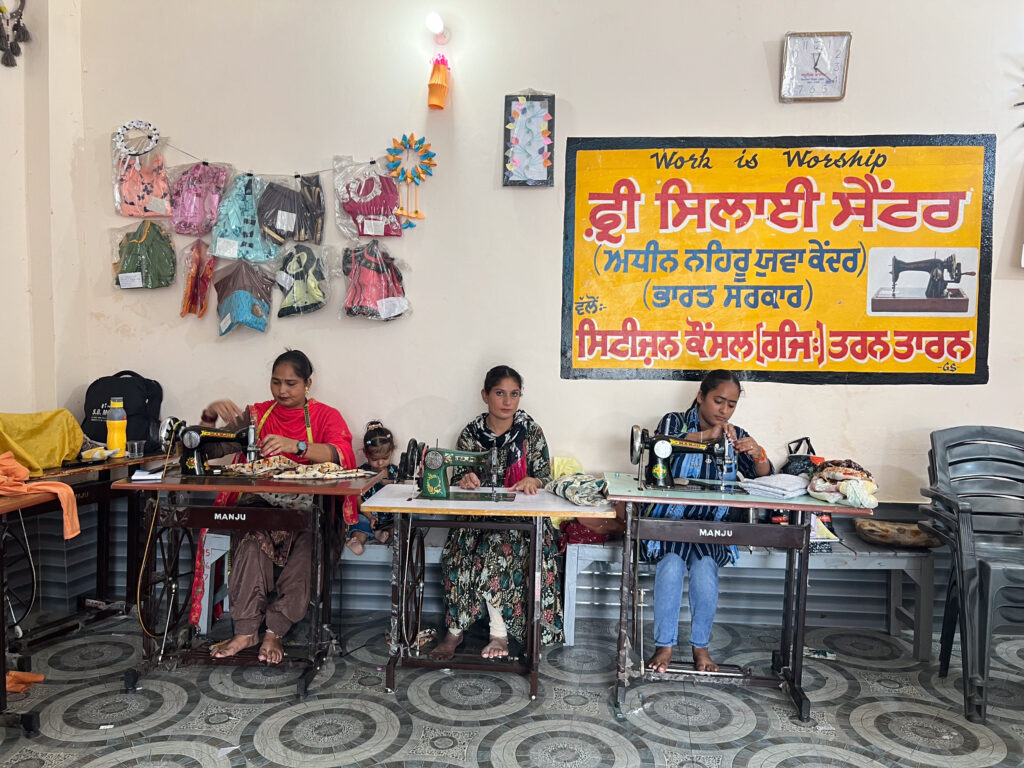
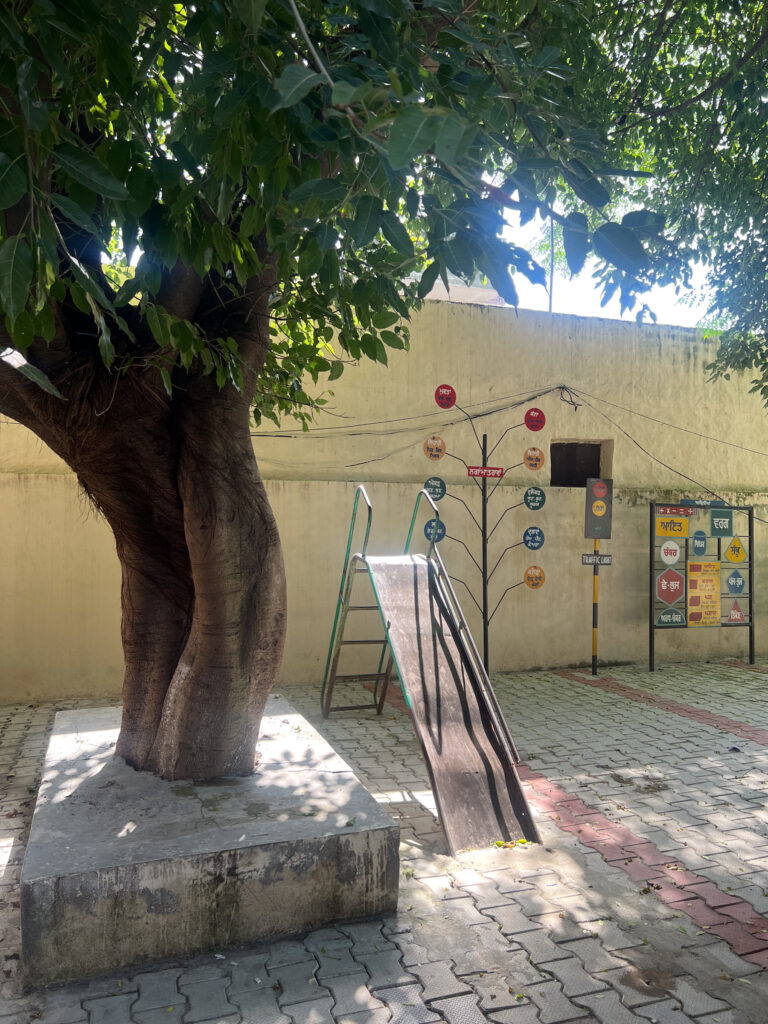
Beyond these major institutions, numerous schools of various levels across rural Punjab received essential funding for classrooms, boundary walls, laboratories, and Anganwadi centers. His commitment further extended to skill development through the building of Vocational Centres and Sewing Centres, ensuring education was directly linked to employment and economic self-reliance.
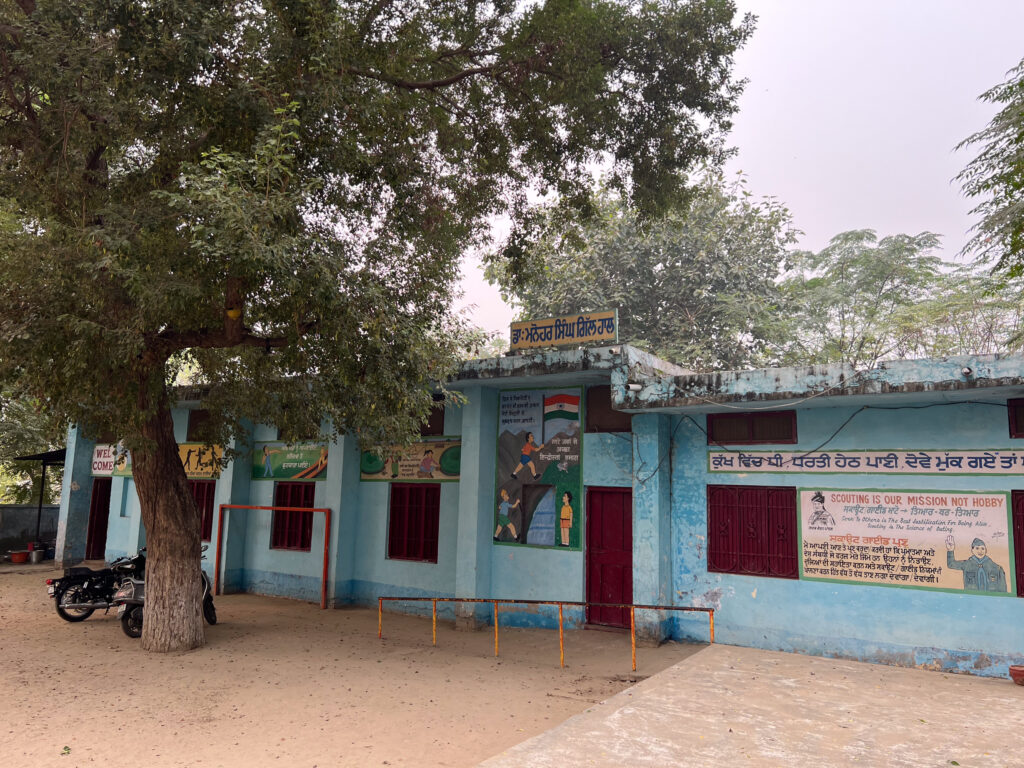
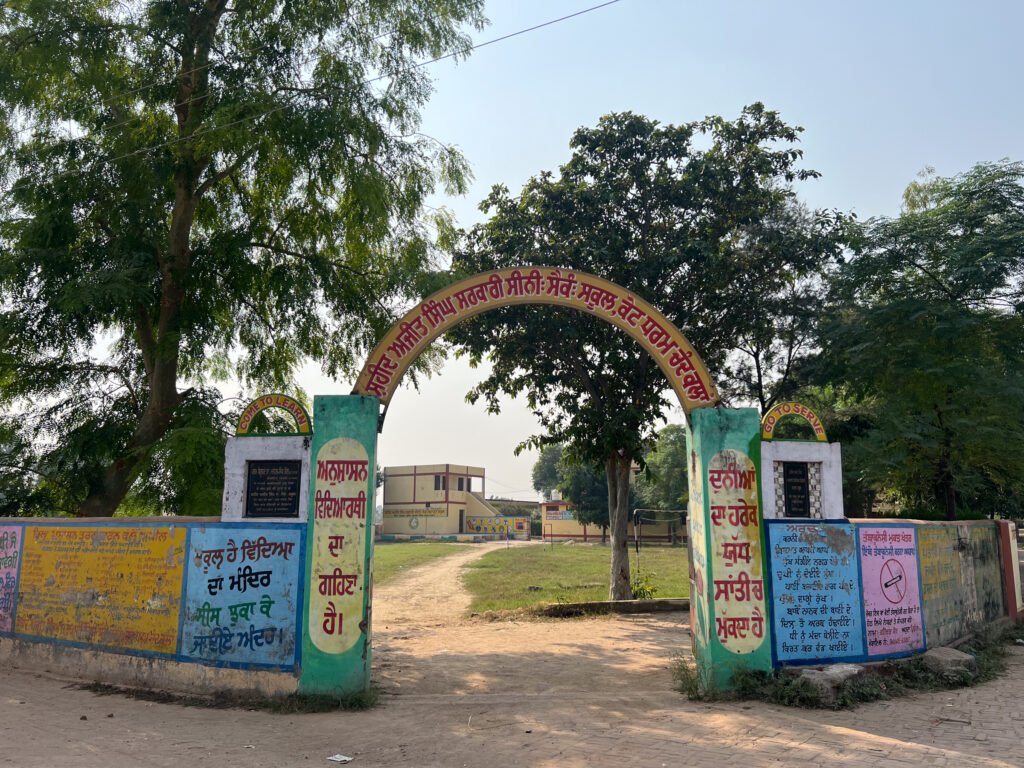
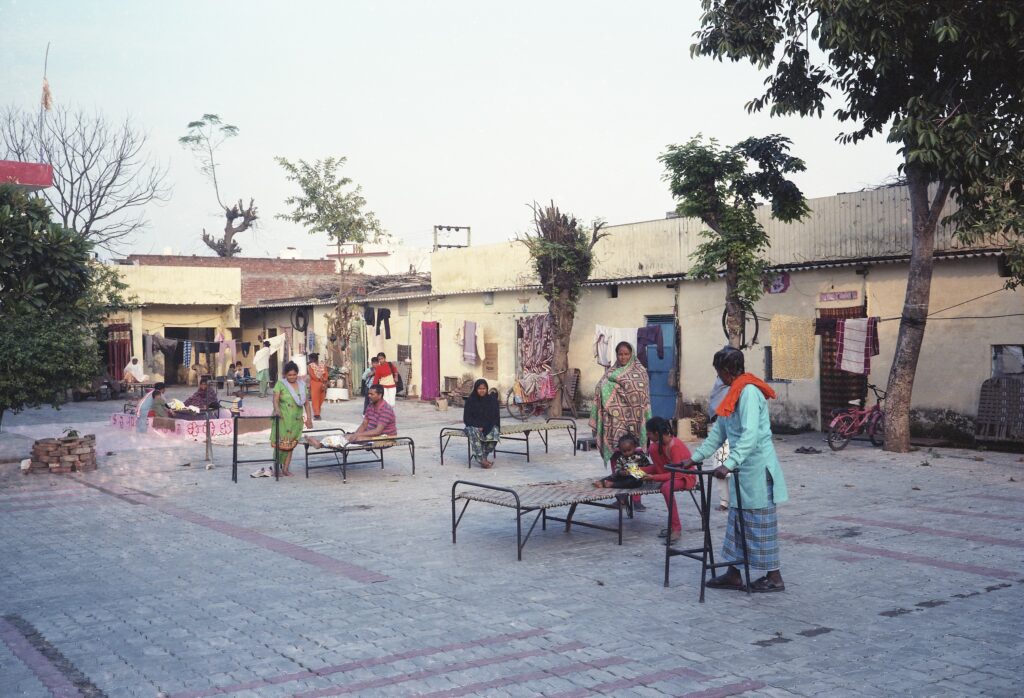
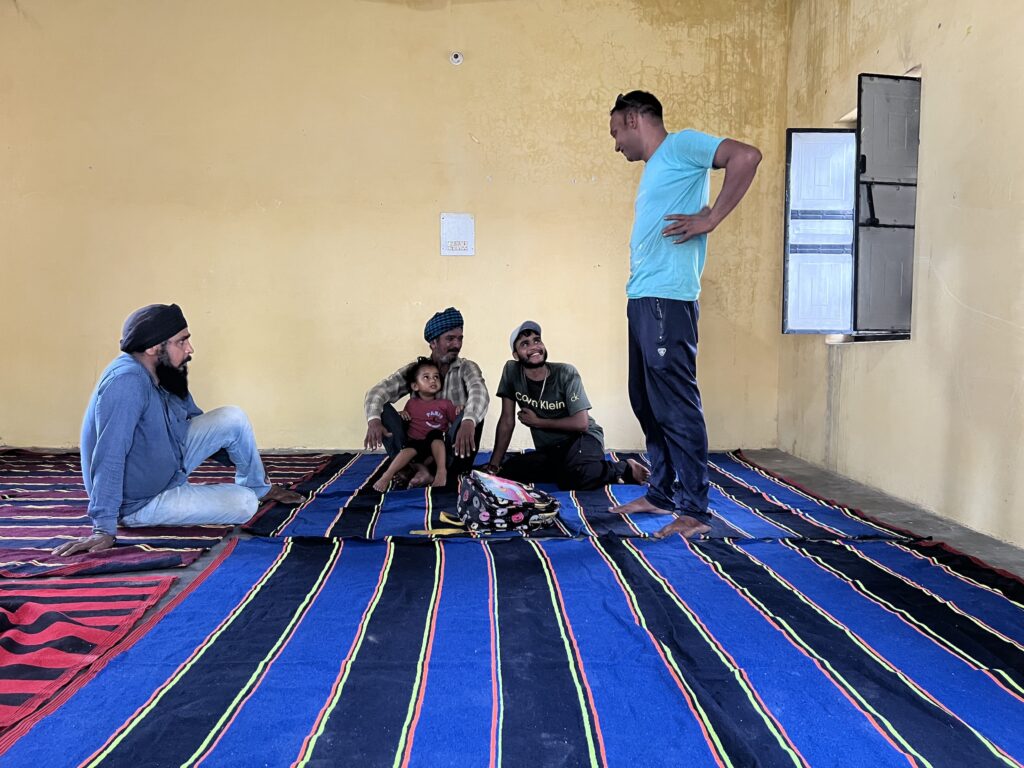
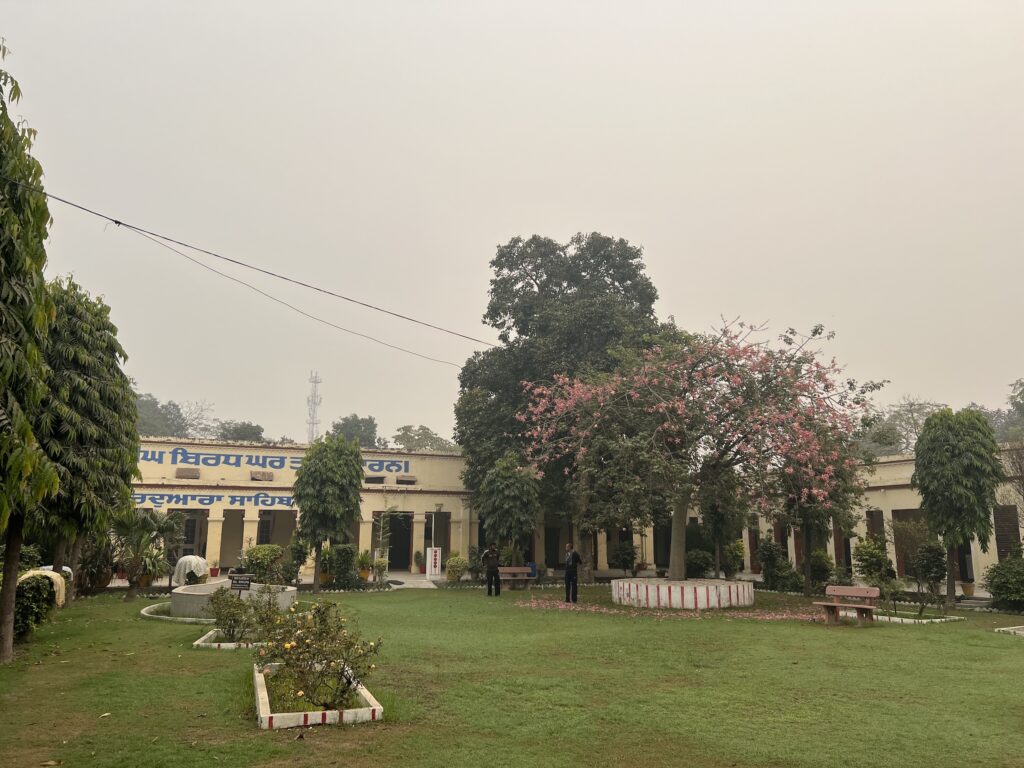
A Dharamshala is a charitable rest house, shelter, or community hall. Traditionally, it provided free or low-cost lodging for pilgrims and travellers, reflecting the core principle of dharma (righteousness and duty) through hospitality. The SC Dharamshalas specifically built in Scheduled Caste (SC) basties (settlements) or villages serve a profoundly important social and developmental function that goes beyond simple lodging.
These community-specific halls are critical because, historically, the most marginalized communities were often prohibited or discouraged from accessing common public spaces for social and cultural gatherings. The primary purpose is to provide a dedicated, accessible, and dignified space for the SC community to hold all their social, religious, and cultural functions, such as weddings, ceremonies, festivals, and prayer meetings. By creating their own permanent community infrastructure, these buildings challenge ingrained social exclusion and stigma, acting as a crucial symbol of communal self-respect and identity. They also often serve as a non-official center for community action, meetings, and the implementation of government welfare schemes and programs aimed at uplifting the Scheduled Castes. These spaces allow the community to organise, debate issues, and coordinate political participation, thereby strengthening their collective voice and democratic engagement.
The investment of MPLADS funds by leaders like Dr. M. S. Gill towards building such facilities for SC communities, and simultaneously aiding vulnerable groups like those in Leprosy Colonies, reflects a commitment to inclusive development that prioritizes dignity, social justice, and the creation of necessary physical spaces for the most disadvantaged sections of society.
Dr Gill recommended the use of his MPLADs funds to the construction and improvement of over 250 Dharamshalas and community centres for the SC community in various Gram Panchayats across Tarn Taran, Khadur Sahib, Chola Sahib, Bhikiwind, Gandiwind, Naushehra Pannaun and Ludhiana. Valmik and Ravidas Dharamshalas were also built in Jalandhar. Many general dharamshalas were also built and improved using disbursements from his MPLADs Funds. Up to ₹2 lakh each were disbursed to each dharamshala. The Guru Arjan Dev Leprosy Colony in Taran Taran received ₹10 lakh over 2007–2009 to improve its facilities.
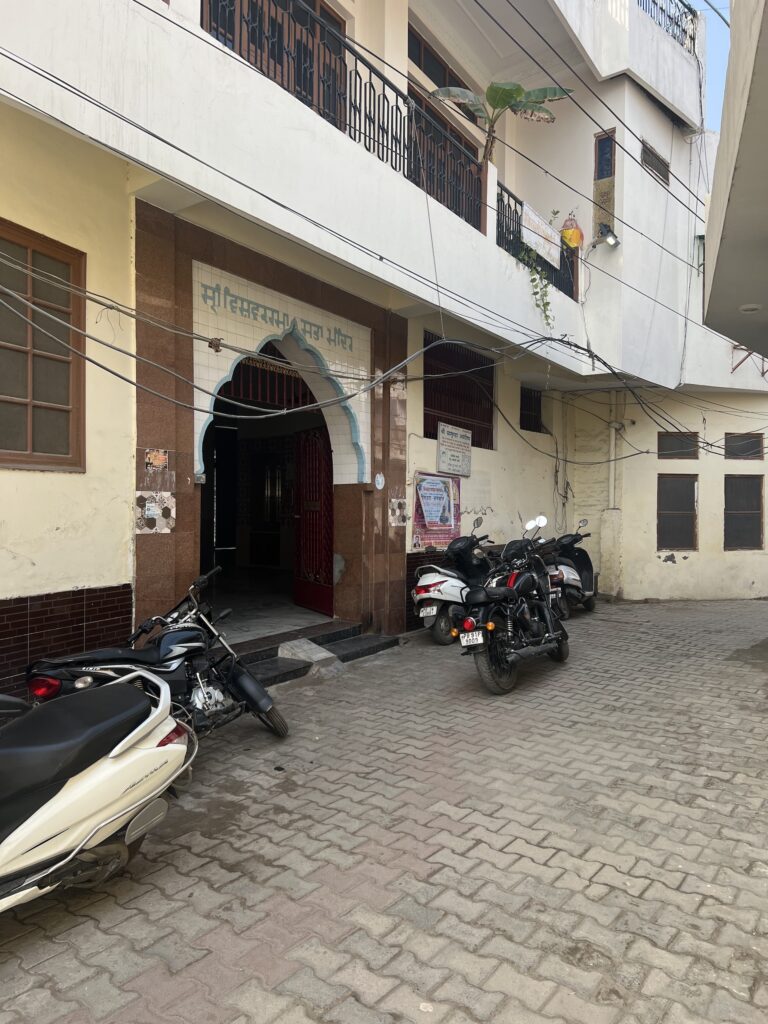
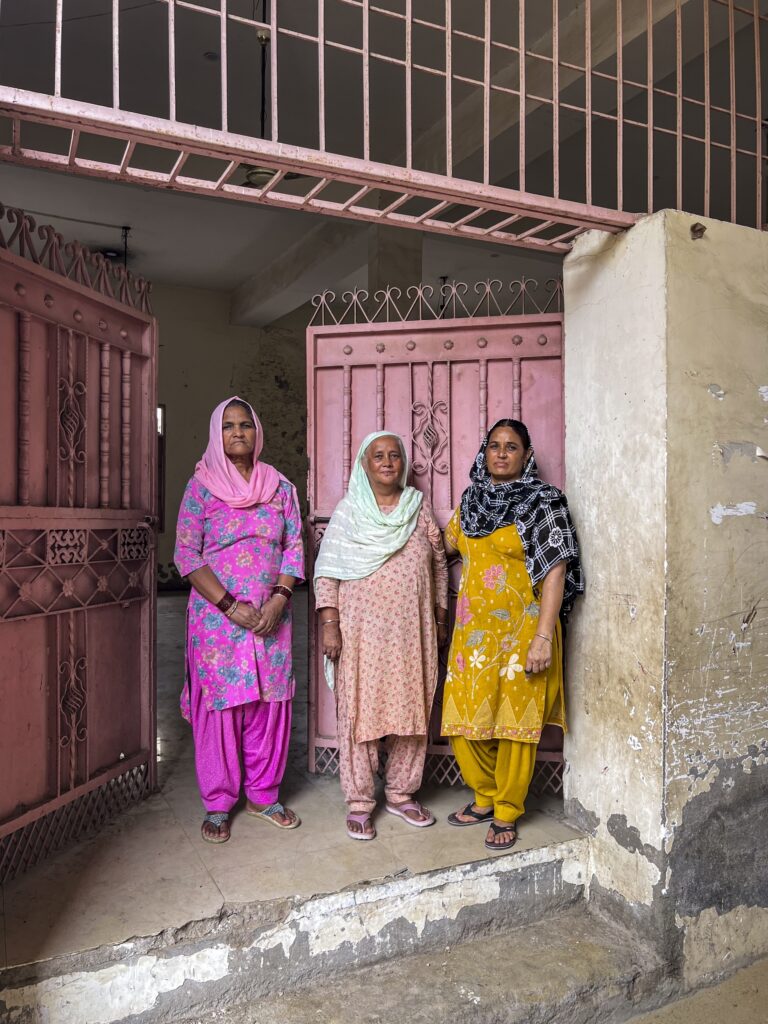
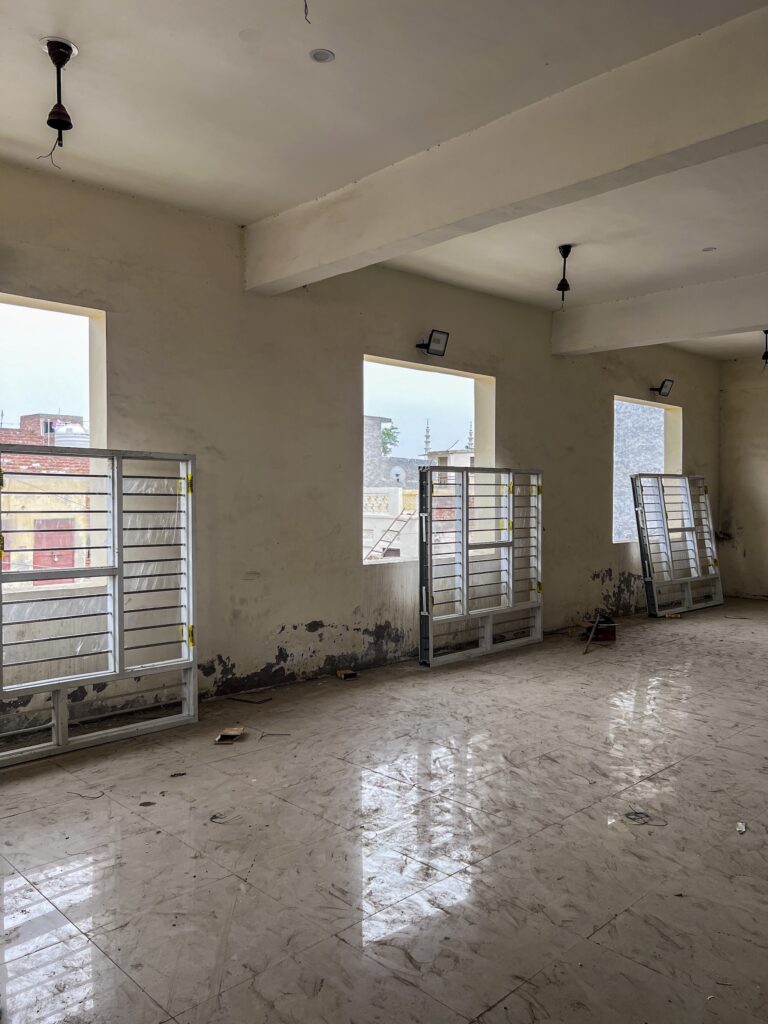
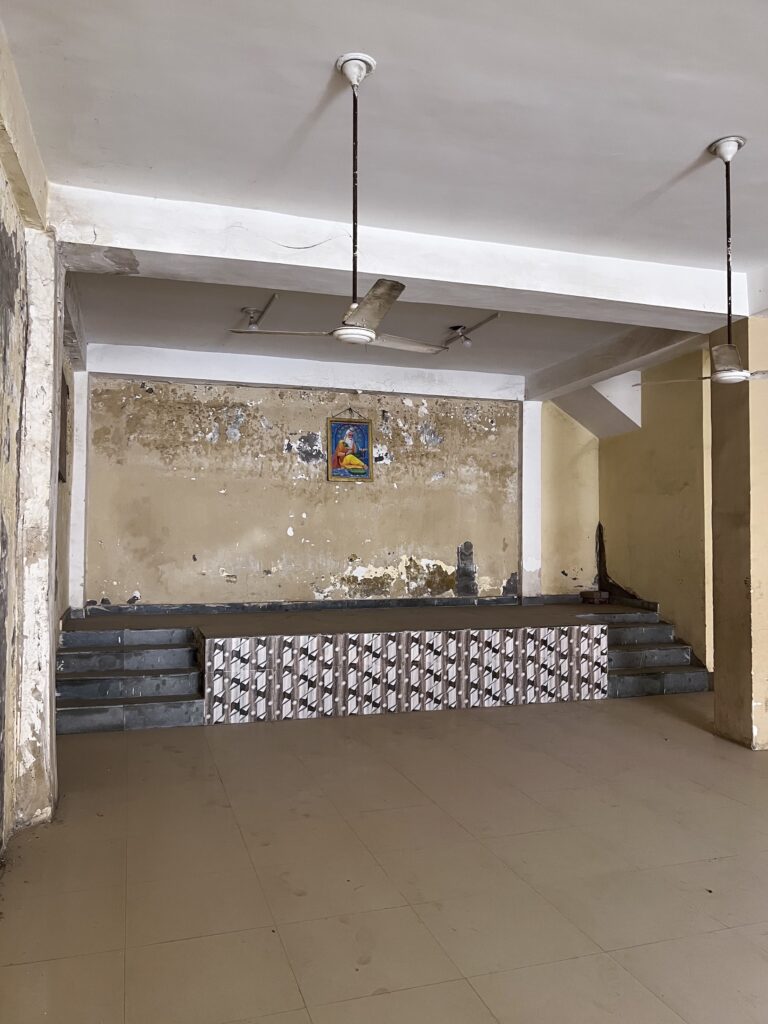
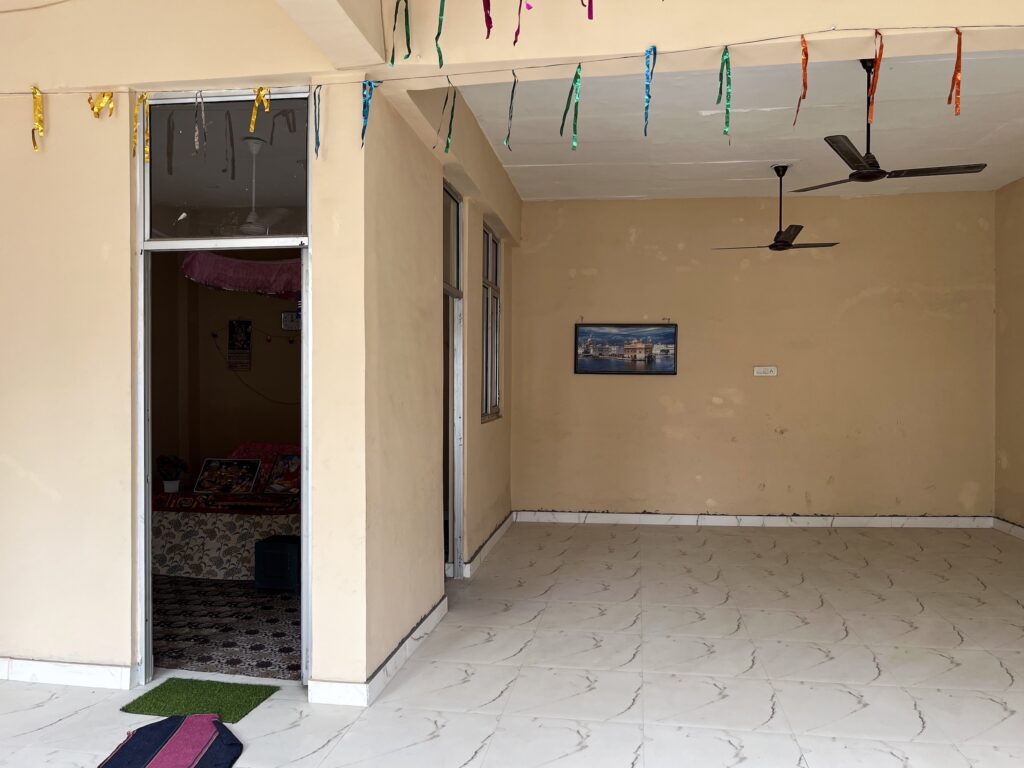
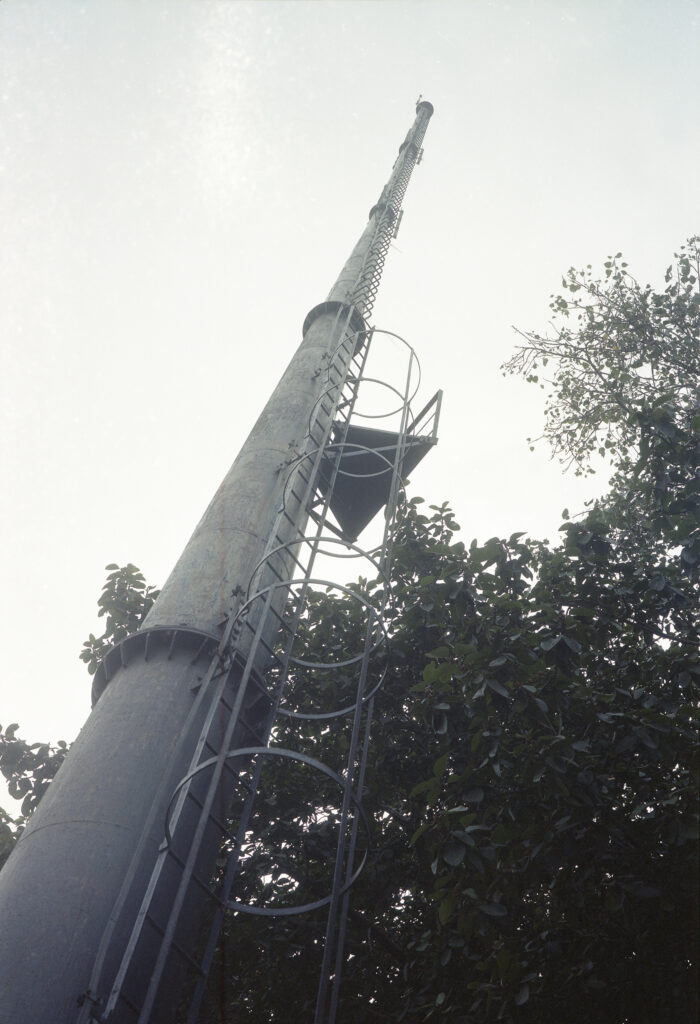
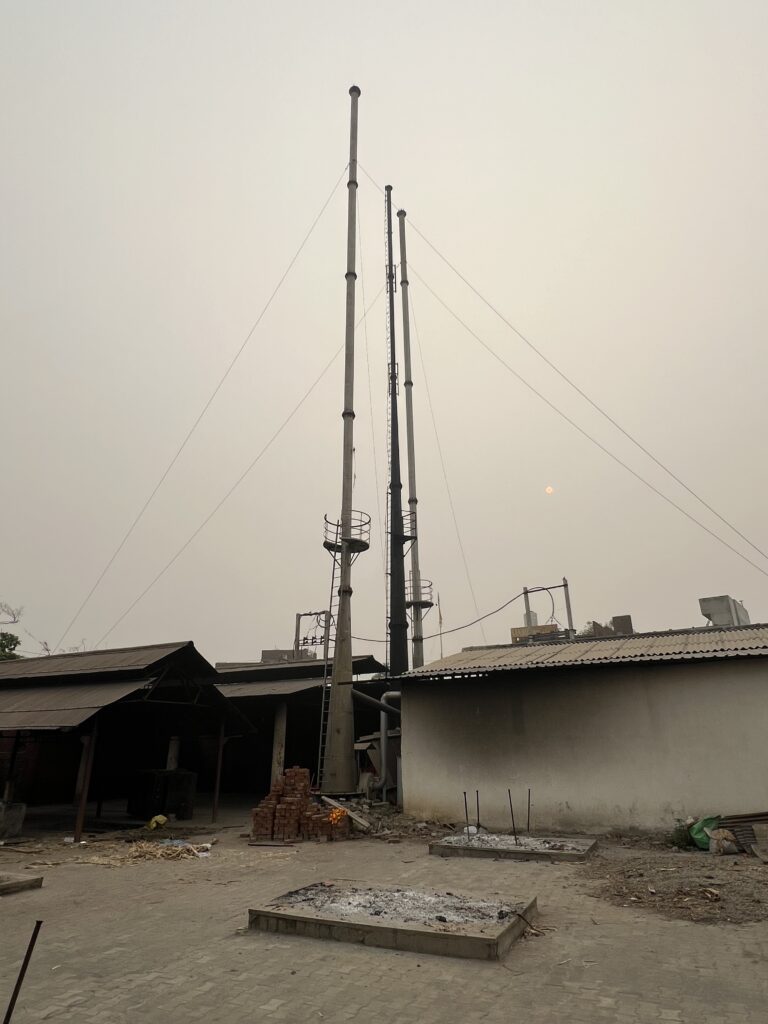
Dr. Manohar Singh Gill was a strong proponent of improving the final rites of all citizens, dedicating his MPLADS funds not only to upgrading traditional cremation grounds but also to championing the transition to modern, environmentally responsible methods. Pained by the widespread underutilization of clean alternatives and the preference for expensive, traditional wood pyres, Dr. Gill announced a campaign to raise awareness about the benefits of Liquefied Petroleum Gas (LPG) crematoria. He was instrumental in importing the idea from the successful models in Kerala and implementing it as a pilot project in Punjab.
His advocacy rested on twin pillars of economic relief and environmental conservation:
“An LPG cremation costs about a tenth of wood cremation, which averages around Rs 8,000. In Punjab, farmers hardly own 2 acres of land each or are practically landless. To pay such high amount is impractical.”
He viewed the shift as an essential component of the nation’s broader sanitation and clean movement, stating, “This is also a part of that movement [Swachh Bharat],” highlighting that an affordable and eco-friendly final rite is a matter of both public health and social dignity.
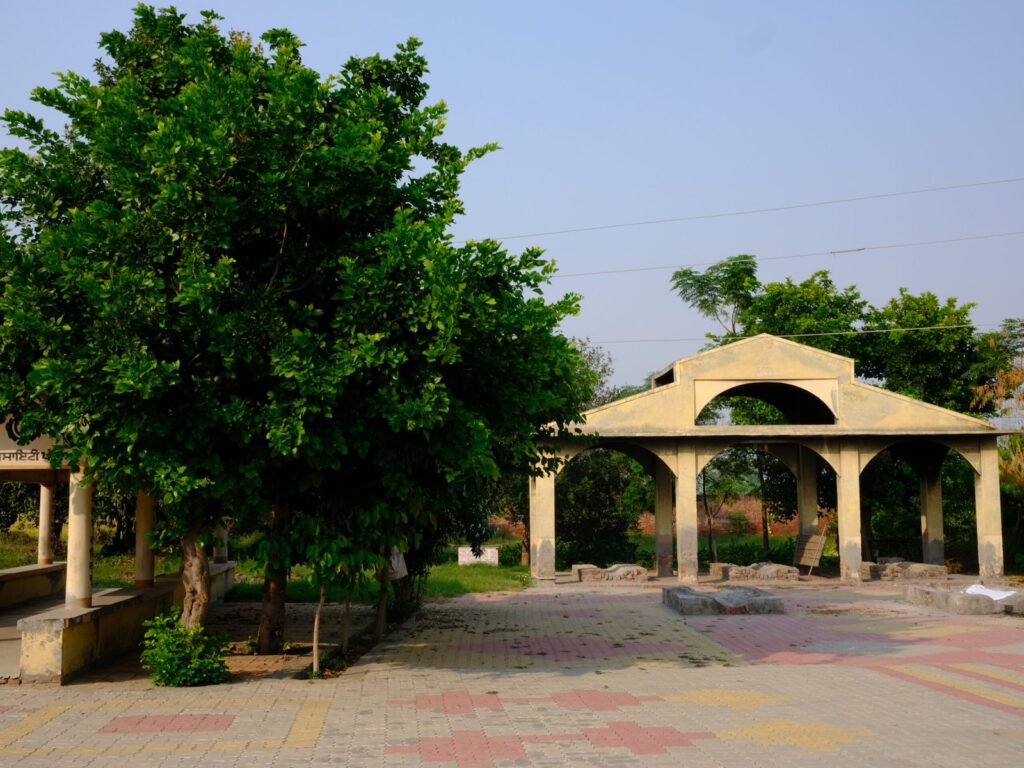
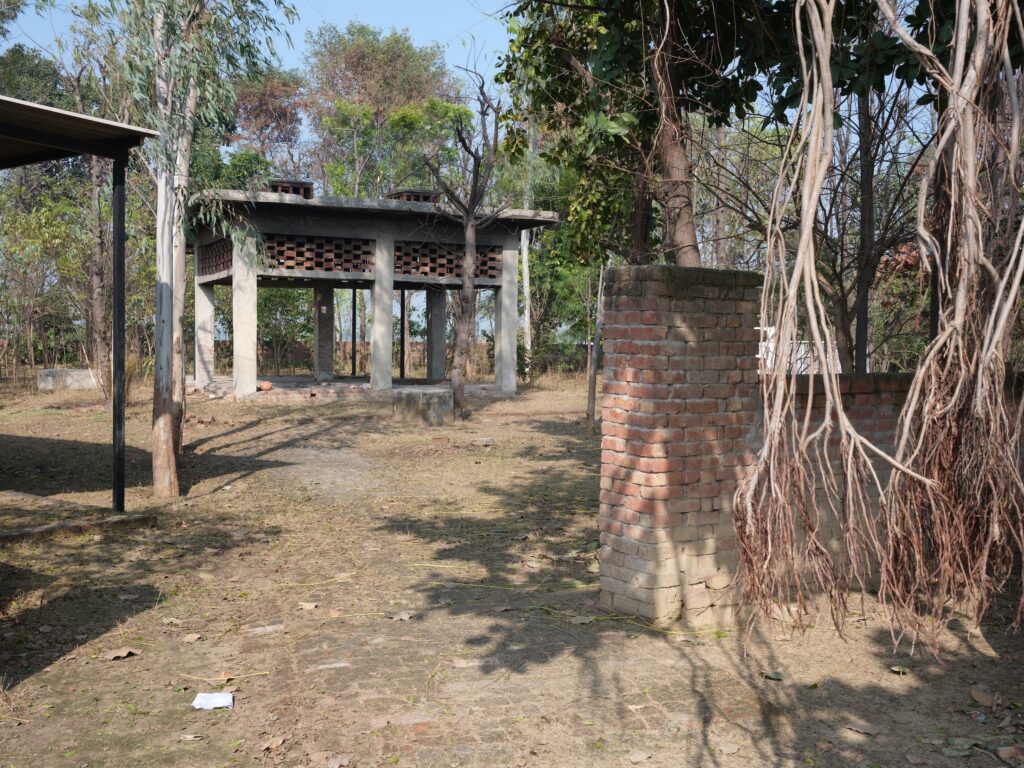
Dr Ms Gill’s funds were disbursed across over 260 Shamshanghats (crematoria) to allow for their improvement by building boundary walls, sheds and verandahs.
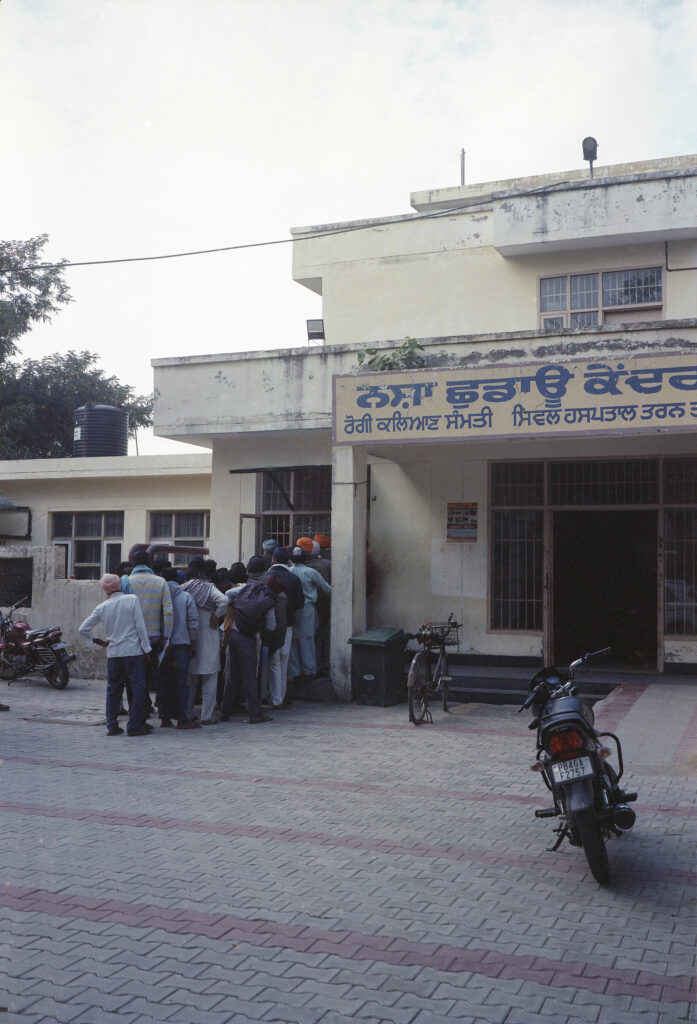
The allocation of MPLADS funds by Dr. M. S. Gill also extended to tackling the severe social crisis of substance abuse, particularly in the context of Punjab. Since drug addiction is not merely a law-and-order issue but a major public health concern, Dr. Gill strategically directed resources towards the establishment and support of drug de-addiction centers.
His investment targeted three key locations:
- He allocated ₹10 lakh in 2008 and ₹6 lakh in 2010 towards the center in the Civil Hospital, Tarn Taran.
- He directed ₹4 lakh for the facility in Kairon.
- He provided ₹5 lakh for the center in Moga.